
The recent House Financial Services Committee hearing brought to light a contentious debate over the economic implications of President Trump’s tariff policies. As Treasury Secretary Scott Bessent faced off against Ranking Member Maxine Waters (D-CA), the session quickly devolved into personal exchanges and heated accusations. The core of their dispute centered on a seemingly straightforward question: Do tariffs drive inflation?
### A Dramatic Exchange
The confrontation began with Waters questioning Bessent about a letter he allegedly sent to hedge fund investors, in which he warned that “tariffs are inflationary.” Bessent firmly denied writing this, despite reports suggesting otherwise. This claim harkens back to a letter dating back to February 2024, where Bessent reportedly stated, “Tariffs are inflationary and would strengthen the dollar.”
Waters, undeterred by Bessent’s denial, referenced a New York Times article that cited his testimony from the previous summer, where he suggested that “there is no inflation, tariffs are not being passed on to consumers.” She pressed him to clarify his current stance on whether tariffs indeed elevate consumer costs.
**Tensions grew as Bessent cited historical data** from the San Francisco Federal Reserve, claiming that “tariffs do not cause inflation.” He argued that tariffs represent a relatively small share of GDP, and many instances of inflation have stemmed from broader economic factors such as wars, oil shocks, or loose monetary policy. While this perspective has merit, it raises questions about the specific impacts of tariffs in today’s economy.
### The Debate Over Economic Theory
The clash between Waters and Bessent underscores a fundamental divide in economic theory regarding the impact of tariffs.
– **Pro-Bessent Arguments**: Supporters argue that while tariffs may influence prices on certain goods, their overall economic impact is minimal in the grand scheme of inflation. They cite historical data indicating that major inflationary episodes often correlate with significant external shocks rather than trade policy.
– **Pro-Waters Arguments**: Conversely, critics, including Waters, highlight the immediate financial burden tariffs can place on consumers. They argue that even a modest increase in prices can have a devastating effect on vulnerable families already struggling with rising living costs.
This ideological divide reflects broader economic debates about the role government policies should play in regulating trade and managing inflation.
### The Housing Market Crisis
As the discussion shifted toward the housing market, Waters turned her focus to the impact of tariffs on essential construction materials. She asserted that tariffs on products such as lumber and steel have exacerbated the ongoing housing crisis in the U.S.
According to Waters, “these policies would result in half a million fewer homes built at a time when we need more homes built, not less.” Her argument aligns with research suggesting that tariffs can significantly inflate the costs of construction materials, resulting in increased housing prices.
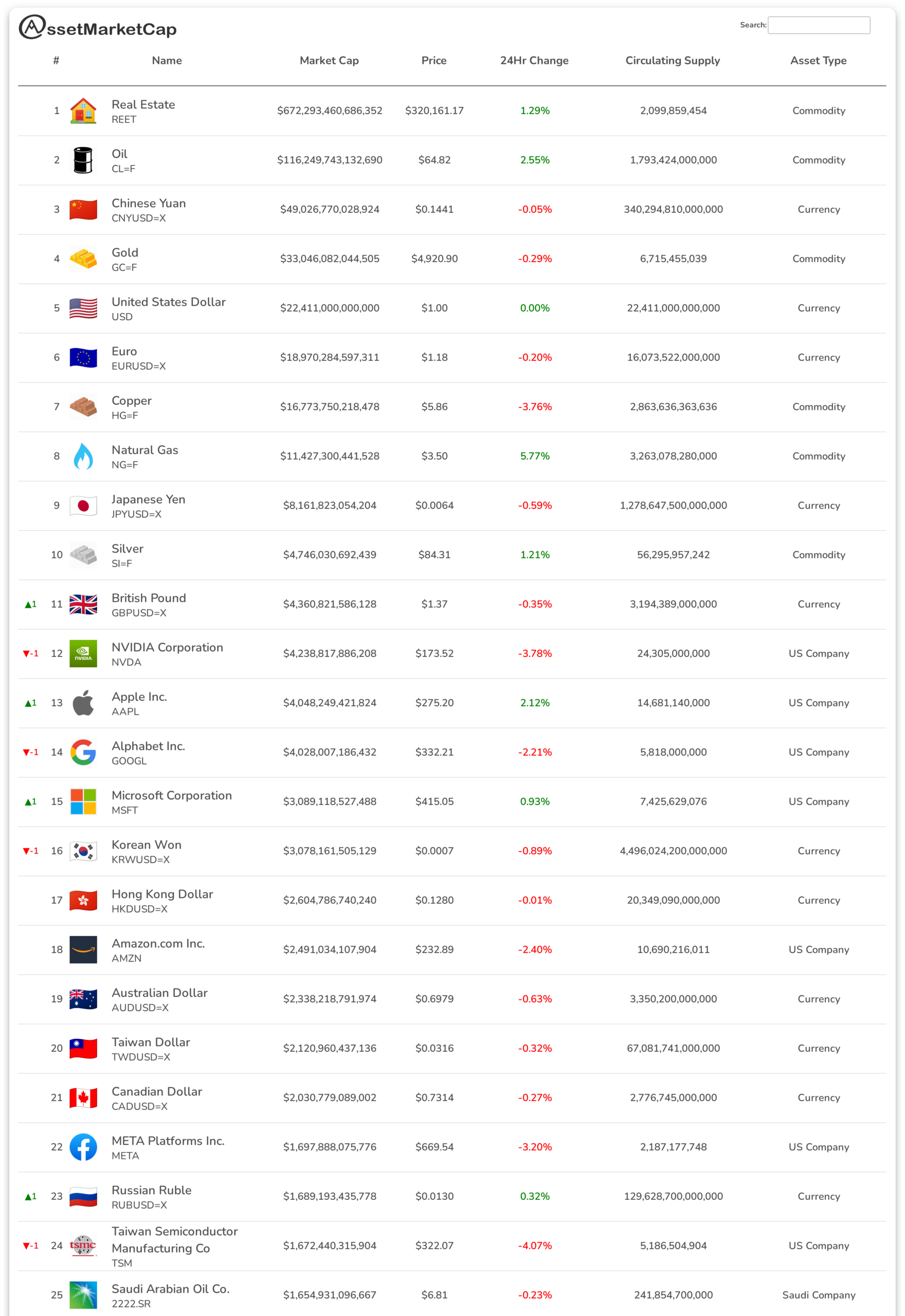
Bessent attempted to counter this point by arguing that lumber prices were trading at a five-year low, a claim that was quickly refuted. The price of lumber had indeed seen fluctuations but had not reached a long-term low, creating confusion about the accuracy of his statement.
### The Political Context
This hearing was not just a policy discussion; it also carried heavy political implications. Waters’ questioning seemed to reflect a broader Democratic critique of the Trump administration’s economic policies, which have often been characterized by an aggressive stance on tariffs and trade.
The tension escalated as Waters accused Bessent of failing to acknowledge the real-world consequences of these policies on American families. “Can you maintain some level of dignity?” she asked, highlighting the personal nature of their exchange. This moment illustrated the frustration many lawmakers feel toward economic officials who seem disconnected from the everyday struggles of their constituents.
### Broader Implications of Tariffs
The implications of this debate extend well beyond the walls of Congress. Understanding the impact of tariffs on inflation is crucial for various stakeholders, including consumers, businesses, and policymakers.
– **For Consumers**: Higher prices due to tariffs can result in decreased purchasing power, leading families to tighten budgets or forgo essential goods.
– **For Businesses**: Companies that rely on imported materials may face increased production costs, which could lead to higher prices for consumers or reduced profit margins for businesses.
– **For Policymakers**: The ongoing debate over tariffs and inflation will likely shape future trade policies and economic strategies. As lawmakers navigate these complex issues, they must consider both the economic theory and the lived experiences of their constituents.
### The Path Forward
Moving forward, it is essential for both sides of the debate to engage in constructive dialogue about the implications of tariffs on inflation. While Bessent’s historical perspective has merit, it is crucial to acknowledge the immediate impacts tariffs have on consumer prices and the economy as a whole.
**Balanced Policy Approaches**: Future policies could benefit from a balanced approach that takes into account the need for fair trade practices while also mitigating the adverse effects on consumers. This might involve reevaluating existing tariffs, considering targeted relief measures for affected industries, or exploring new trade agreements that promote economic stability.
### Conclusion
The chaotic clash between Scott Bessent and Maxine Waters during the House Financial Services Committee hearing serves as a microcosm of the broader economic debate surrounding tariffs and inflation. As lawmakers grapple with the implications of trade policy, it is imperative to consider both theoretical frameworks and real-world consequences.
As the U.S. economy continues to evolve, the discussions surrounding tariffs will remain a focal point for policymakers, economists, and citizens alike. Understanding these dynamics is vital for navigating the challenges of inflation and fostering a stable economic environment for all Americans.
Source: https://fortune.com/2026/02/04/scott-bessent-trump-tariffs-inflation-maxine-waters-hearing/


Leave a Reply