

In the complex world of finance, few assets are as historically significant or as closely watched as gold. Recently, gold has experienced substantial price swings, raising eyebrows among investors and analysts alike. Treasury Secretary Scott Bessent has pointed to Chinese trading activity as a primary driver behind these fluctuations, suggesting that the market’s current state is not only turbulent but also indicative of deeper issues within global trading practices.
### The Current Landscape of Gold Trading
Gold, often viewed as a safe-haven asset, reacts sensitively to various economic and geopolitical factors. The past week has seen a dramatic rally followed by an unexpected downturn in gold prices, prompting discussions about the role of speculative trading. Bessent characterized the situation as somewhat “unruly” in China, highlighting the increasing influence of Chinese traders in global gold markets.
This volatility can be traced back to a combination of factors:
– **Speculative Buying**: Investors flocked to gold as a hedge against uncertainty, driven by escalating geopolitical tensions and economic instability.
– **Geopolitical Factors**: Events such as conflicts, trade disputes, and sanctions can lead to increased demand for gold, historically seen as a refuge during times of crisis.
– **Federal Reserve Policies**: Concerns regarding the independence of the Federal Reserve and its monetary policy have further fueled investor speculation.
### The Role of Chinese Traders
Bessent’s comments shed light on the growing influence of Chinese traders in the gold market. As one of the largest consumers of gold, China plays a pivotal role in determining gold prices. According to Bessent, recent trading activities in China have become increasingly speculative, prompting regulators to tighten margin requirements. This move aims to curb excessive risk-taking and stabilize the market.
**Key points about Chinese trading dynamics:**
– **Margin Requirements**: Increased margin requirements mean that traders must maintain a higher level of capital in their accounts, which can lead to decreased trading volumes and increased volatility.
– **Speculative Behavior**: The appetite for speculative investments has grown, with traders aggressively buying and selling gold in response to market sentiment rather than underlying fundamentals.
– **Market Reaction**: Such speculative trading often leads to sharp price movements, as large trades can disproportionately affect market dynamics.
### Implications for the Gold Market and Beyond
The wild swings in gold prices have broader implications not just for the precious metal itself, but for global economic sentiment and investor behavior. During the recent upheaval, gold prices soared, reflecting heightened demand, only to reverse sharply as market sentiment shifted.
This phenomenon raises important questions about the sustainability of current trading practices and the stability of the gold market. If Chinese traders continue to dominate the market with speculative strategies, we may see increased volatility in the future.
#### Economic Indicators: The Dollar and Dow
Interestingly, during this period of gold market turmoil, the U.S. dollar gained strength, marking its first weekly gain since early January. Additionally, the Dow Jones Industrial Average topped 50,000 for the first time—a significant milestone that reflects optimism about the U.S. economy and corporate earnings.
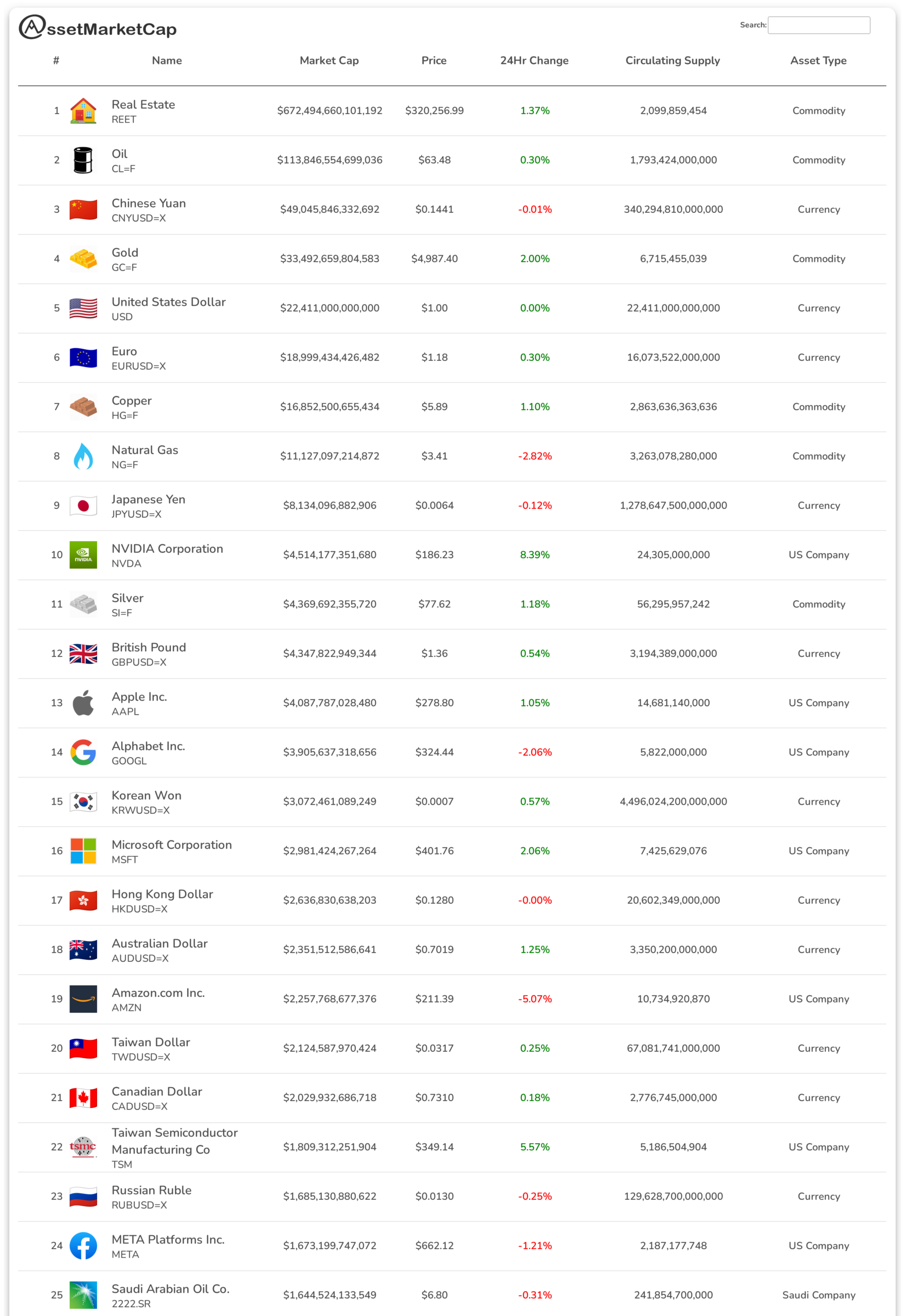
Bessent noted that these developments could signal an upward cycle for the U.S. economy. As midterm elections approach, the positive performance of the stock market may bolster confidence among American consumers and investors alike.
**Consider the following indicators:**
– **Strengthening Dollar**: As gold is priced in dollars, a stronger currency typically leads to lower gold prices, creating a direct correlation between the two.
– **Stock Market Performance**: The surge in the Dow may indicate a robust economic recovery, which can influence investor sentiment and behavior in gold trading.
### Federal Reserve Policy: A Cautious Approach
Bessent’s insights on Federal Reserve policy add another layer of complexity to the discussion. He expressed expectations that the Fed would adopt a cautious approach regarding its balance sheet management. The current “ample-regime policy” necessitates a larger balance sheet, which may delay any significant monetary policy changes.
**Key takeaways from Bessent’s remarks:**
– **Gradual Changes**: Bessent anticipates that the Fed will take its time before making substantial policy shifts, allowing the market to adjust to current conditions.
– **Impact on Gold**: Any changes in interest rates or monetary policy can significantly influence gold prices, as higher rates typically diminish the appeal of non-yielding assets like gold.
### The Future of Gold and the Global Economy
As we look ahead, the question remains: what does the future hold for gold amidst these turbulent times? The interplay of Chinese trading practices, Federal Reserve policies, and geopolitical tensions will undoubtedly shape the landscape of gold trading. Investors must remain vigilant, adapting their strategies to the evolving market dynamics.
**Consider the following potential outcomes:**
– **Continued Volatility**: If speculative trading persists, we may see more erratic price movements in gold, making it a challenging environment for long-term investors.
– **Regulatory Changes**: Increased scrutiny on trading practices may lead to new regulations aimed at stabilizing the market, impacting how traders operate.
– **Shifts in Global Demand**: Changes in consumer behavior, especially in significant markets like China and India, will continue to influence gold demand and prices.
### Conclusion: A Balanced Perspective
In conclusion, while Bessent’s comments shed light on the rising volatility in the gold market, they also reflect a broader narrative of economic uncertainty and investor behavior. The intricate relationship between Chinese trading practices and global gold prices highlights the need for a nuanced understanding of market dynamics.
Investors must weigh the implications of speculation and regulatory changes, while also considering external factors such as geopolitical events and central bank policies. Gold, often viewed as a safe haven, may continue to capture investor interest, but its path forward will be marked by both opportunities and challenges.
As we move into a new phase of economic recovery and potential electoral shifts, keeping an eye on gold’s performance will be essential for anyone looking to navigate the complexities of modern finance.
Source: https://fortune.com/2026/02/08/gold-prices-scott-bessent-unruly-chinese-trading-margin-requirements/




Leave a Reply