

## The Unexpected Plunge: Bitcoin’s 10% Drop
In early February, Bitcoin, the leading cryptocurrency by market capitalization, experienced a dramatic decline, plunging to the low $60,000s within hours. This sudden drop, observed on February 5, not only affected Bitcoin but also sent ripples throughout the entire cryptocurrency market. While Bitcoin managed to find some footing and bounced back to around $68,860, the overall drop over the past seven days stood at nearly 12%.
### Market Reaction and Liquidations
According to data from Coinglass, the rapid decline in Bitcoin’s price triggered a wave of liquidations, with over $2 billion in leveraged crypto positions being forcibly closed. Most of these positions were long bets, indicating that many traders had anticipated continued price increases. However, as prices fell, the cascading effect of automatic selling drove the market down further than fundamentals would typically suggest.
Jeff Park, a portfolio manager at Bitwise, noted on social media platform X that much of this indiscriminate selling appeared to stem from multi-strategy hedge funds engaged in delta-hedged trades. These funds, often sensitive to market correlations with growth equities, found themselves at the mercy of Bitcoin’s swift decline.
## The Role of Asian Hedge Funds
Adding another layer of complexity to the situation, Parker White, Chief Investment Officer at DeFi Development Corporation, highlighted that the crash was likely exacerbated by the sudden collapse of hedge funds based in Hong Kong. These funds had invested heavily in call options tied to IBIT, BlackRock’s spot Bitcoin exchange-traded fund. On the day of the crash, this fund saw an astonishing $10.7 billion in trading volume—almost double its previous record—along with roughly $900 million in options premiums changing hands.
White elaborated that these Asia-based hedge funds were involved in leveraged IBIT options trades, funded in Japanese yen. As losses mounted, these traders were forced to add more leverage, which ultimately contributed to their downfall when Bitcoin’s price took a nosedive.
### The Carry Trade and Broader Economic Influences
The carry trade, particularly involving the Japanese yen, has been a longstanding strategy among traders looking for higher yields. However, as White pointed out, this trade has been unwinding rapidly, adding further pressure on these funds. The situation was further complicated by significant movements in other commodities, such as silver, which saw a dramatic 20% decline—a major one-day shift that hadn’t been witnessed in years.
## Institutional Dynamics: ETFs and Market Behavior
The impact of institutional products like exchange-traded funds (ETFs) cannot be overstated. Tanisha Katara, founder of Katara Consulting Group, noted that while ETFs provide streamlined access to the cryptocurrency market for large financial players, they can also amplify both rallies and sell-offs. Currently, U.S. spot Bitcoin ETFs are net sellers, suggesting that having a method of entry into the market does not guarantee long-term commitment to holding Bitcoin.
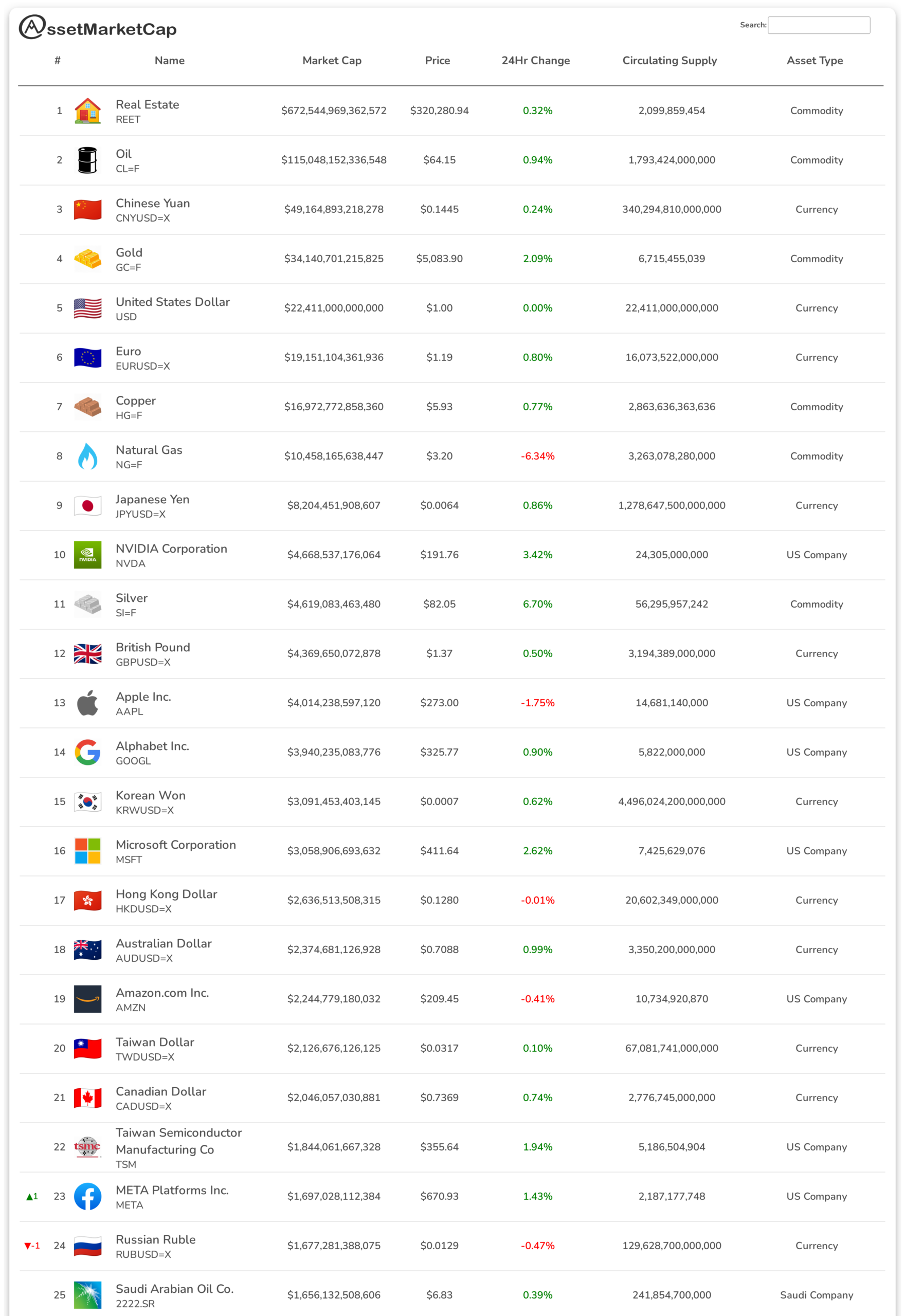
Katara emphasized that the narrative surrounding Bitcoin as “digital gold” has been fundamentally challenged during this cycle. While gold has surged by 72% over the same period, Bitcoin has experienced a 28% decline, prompting many to reassess its value proposition. This shift suggests that the market is moving toward a greater focus on infrastructure, including stablecoins, tokenization, decentralized finance (DeFi) primitives, governance systems, and programmable money.
## Unforeseen Disruptions: The Bithumb Incident
Adding to the chaos, a significant incident occurred in South Korea involving Bithumb, one of the country’s largest cryptocurrency exchanges. During a promotional event, Bithumb mistakenly distributed thousands of Bitcoin to users, leading to a frenzy of selling as recipients rushed to cash out their unexpectedly acquired tokens. This incident caused Bitcoin’s price on Bithumb to plummet nearly 18% below market prices observed on other exchanges.
In response to this mishap, South Korea’s Financial Supervisory Service indicated it would tighten oversight and impose stricter penalties on financial firms to prevent similar occurrences in the future. Such regulatory actions underscore the growing scrutiny that the cryptocurrency industry faces, particularly in Asia, where trading practices and operational protocols are under the microscope.
## The Bigger Picture: Market Sentiment and Future Outlook
As Bitcoin and other cryptocurrencies continue to experience volatility, broader global market conditions also play a significant role. Kyle Rodda, a senior financial market analyst at Capital.com, explained that current market dynamics suggest that “everything is the one trade,” where various asset classes are responding to the same macroeconomic signals.
Upcoming U.S. economic data releases, including inflation figures and Non-Farm Payrolls, are expected to have a substantial impact on market behavior. The recent resilience of the U.S. economy has created a complex landscape in which investors are trying to balance signs of a sluggish labor market with persistently high prices.
### Long-Term Holders and Market Sentiment
The sell-off has also revealed a trend among long-term Bitcoin holders, who have begun to trim their exposure in response to changing market conditions. Georgii Verbitskii, founder of the crypto investment app TYMIO, noted that the inflation-hedge narrative surrounding Bitcoin has come under scrutiny, leading to predictions that Bitcoin may range between $55,000 and $67,000 in the near term. He cautioned that a deeper move toward the low $40,000s could be possible over the course of 2026, particularly as global markets face ongoing challenges.
Conversely, Ryan Li, CEO of Surf, an AI-driven tool designed for crypto analysis, reported that retail investor sentiment is currently at an all-time low, firmly situated in “extreme fear” territory. Even as Bitcoin experienced a brief bounce back to $70,000, the Greed & Fear Index indicates that investor confidence remains shaky.
## Conclusion: What Lies Ahead for Bitcoin and the Crypto Market
The recent turbulence in the cryptocurrency market has underscored several critical themes affecting Bitcoin and other digital assets. From the impact of leveraged trading and institutional behaviors to the unforeseen consequences of regulatory actions and promotional mishaps, the landscape is as chaotic as ever.
As we look ahead, investors are left with more questions than answers. Will Bitcoin regain its footing, or are we witnessing the beginning of a prolonged bear market? The interplay between market sentiment, institutional strategies, and global economic indicators will be crucial in determining the future trajectory of Bitcoin. For now, the cryptocurrency world remains in a state of flux, with each new development holding the potential to shift the balance in this ever-evolving financial ecosystem.
As always, investors are advised to stay informed and exercise caution as they navigate this volatile landscape, balancing potential gains against the risks inherent in this dynamic and rapidly changing market.
Source: https://thedefiant.io/news/markets/why-bitcoin-crashed-over-10-in-one-week




Leave a Reply