
In a significant development for institutional investors, Ripple has announced that its custody service now supports staking for Ethereum (ETH) and Solana (SOL). This strategic shift is not just a step toward expanding Ripple’s service offerings; it signifies a broader trend in the financial landscape where institutions are increasingly looking for integrated solutions that include asset servicing features alongside traditional safekeeping. By partnering with staking infrastructure provider Figment, Ripple aims to provide its clients with operational simplicity and enhanced governance controls, making it an attractive option for banks, custodians, and regulated asset managers seeking yield without the complexities associated with managing validator infrastructure.
### The Need for Staking Solutions
Staking has become a crucial topic in the cryptocurrency space, particularly for proof-of-stake (PoS) networks. These networks allow users to participate in the process of validating transactions and securing the network in exchange for rewards. For institutional clients, the ability to earn staking rewards presents a compelling opportunity that mimics traditional finance concepts, such as securities lending revenue. However, the operational risks associated with staking can be daunting, particularly for those used to the rigor of regulated financial environments.
### Ripple’s Unique Position
Ripple’s move to include Ethereum and Solana staking highlights the structural differences between its native asset, XRP, and other cryptocurrencies that offer staking rewards. Currently, XRP does not provide an avenue for earning protocol rewards through staking. This represents a notable gap in Ripple’s offering, especially as institutional clients benchmark their crypto servicing against familiar yield-generating assets.
#### Why Staking Matters
For many institutions, staking is not merely about earning rewards; it’s about doing so in a manner that adheres to compliance and governance standards. With Figment’s established reputation for serving over 1,000 institutional clients, Ripple’s choice to partner with them underscores the importance of separation of duties, operational assurance, and an auditable framework. Institutions want to ensure that custody and validator operations remain distinct, allowing for clear lines of control and risk management.
### Understanding the Risks
Staking inherently carries operational risks that professionals in regulated finance can easily recognize. Validator performance can introduce a range of failure modes, including slashing—a process where a portion of a validator’s stake is forfeited due to misbehavior or downtime. These scenarios can be complex to explain and manage, especially if governance standards are not clearly defined. For regulated firms, the question often shifts from “Can we earn rewards?” to “Can we earn rewards in a compliant and auditable manner?”
### Figment’s Role in Institutional Staking
Figment’s non-custodial architecture and focus on regulated participants add layers of trust and reliability to Ripple’s new offering. The firm is certified under the Node Operator Risk Standard (NORS), which evaluates node operators across security, resilience, and governance—categories that align closely with the due diligence criteria that shape procurement decisions in regulated finance. By emphasizing these trust signals, Figment helps Ripple position its staking services as a viable option for institutional clients wary of operational risks.
### The Custodial Landscape
Ripple’s integration of staking into its custody services signifies a shift in the way institutional clients approach crypto asset management. As institutions grapple with the complexities of multi-vendor reliance, there is a growing desire for bundled services offered under a controlled operating model. This not only facilitates streamlined reporting and accountability but also responds to an evolving market that demands more from custodians than mere asset safekeeping.
### The XRP Staking Debate
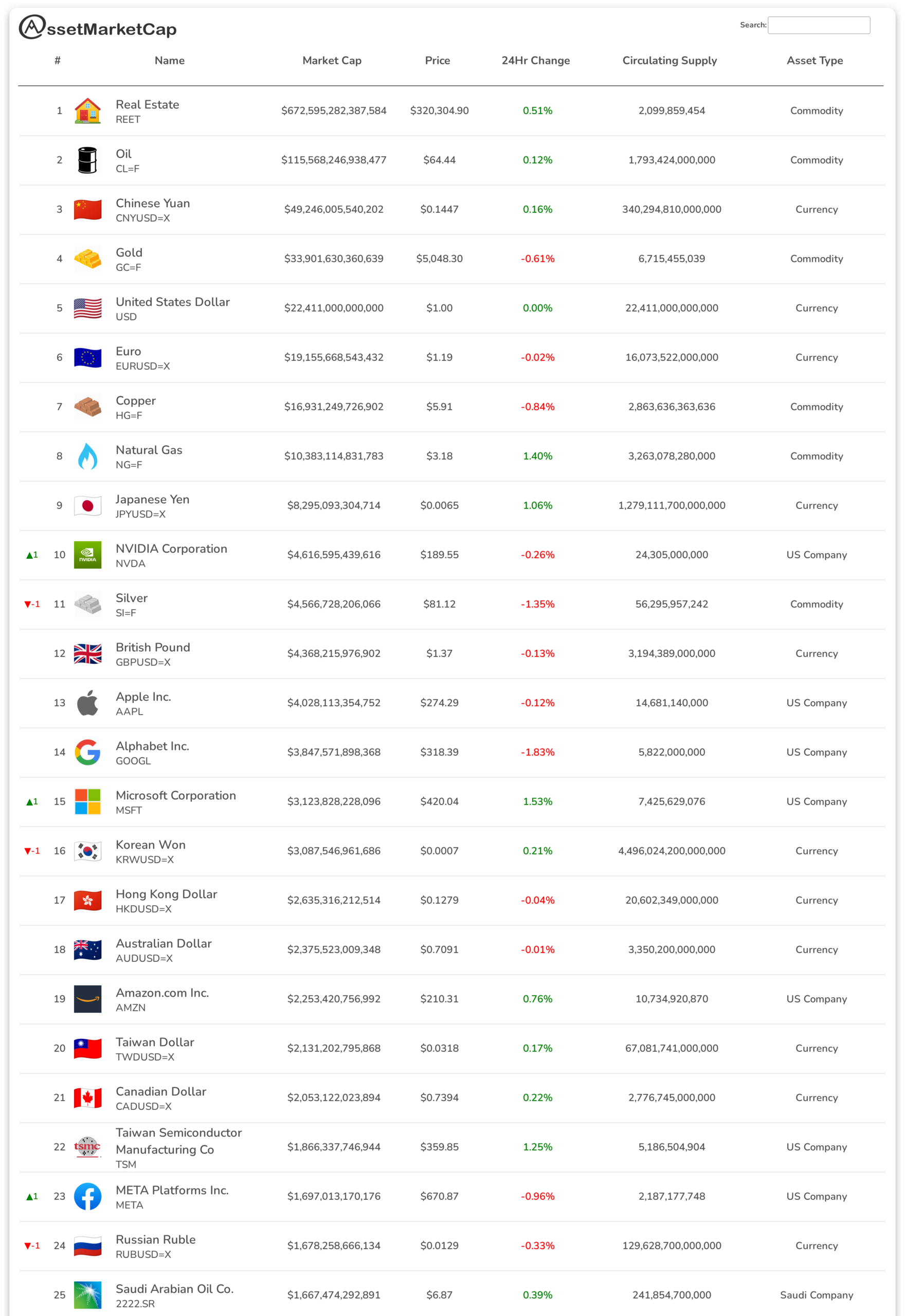
While Ripple’s move addresses the staking needs for Ethereum and Solana, it also casts a spotlight on the ongoing discussions regarding XRP’s potential for staking. Currently, the XRP Ledger (XRPL) does not facilitate native staking rewards, which poses a dilemma for institutions that may view XRP as incomplete in its service offerings. Ripple’s developers have indicated that any future implementation of XRP staking would require a sustainable rewards source and a fair distribution mechanism, which complicates the narrative around XRP’s utility as an income asset.
#### Economic Constraints of XRPL
Historically, the XRPL operates under a unique economic model that entails burning transaction fees rather than redistributing them. This framework means that any staking feature would necessitate a substantial economic redesign rather than a simple upgrade. The lack of active development or voting on staking amendments further emphasizes that XRP’s staking capabilities are not on the horizon, leaving institutional clients to seek yield in the assets that currently offer it.
### Market Dynamics: XRP vs. Ethereum and Solana
Despite the limitations regarding staking rewards, XRP is still attracting significant investment from institutions. Recent data from CoinShares indicates that XRP-linked investment products experienced an influx of $63.1 million in a single week, outperforming both Solana’s and Ethereum’s products, which attracted $8.2 million and $5.3 million, respectively. However, Bitcoin-focused products faced a downturn, with $264 million in outflows during the same period.
These trends reflect a complex dynamic where an asset’s ability to draw institutional interest does not necessarily equate to a comprehensive service offering. XRP may be generating significant demand, but the absence of staking rewards could hinder its competitiveness against Ethereum and Solana, which offer measurable on-chain yield today.
### Ripple’s Institutional DeFi Roadmap
In light of these developments, Ripple is positioning itself to create a more comprehensive institutional DeFi ecosystem. The company’s “Institutional DeFi” roadmap outlines plans for the XRPL as a high-performance platform for tokenized finance. Here, XRP is framed as an infrastructural asset that supports reserve requirements, transaction fees, and liquidity flows while offering compliance tooling designed for regulated use cases.
#### Bridging the Gap
Ripple’s strategy appears to be focused on leveraging XRP as a connective asset within a multi-asset custody framework. By allowing institutions to earn yield on Ethereum and Solana while utilizing XRP’s infrastructure for bridging and collateral flows, Ripple aims to create a seamless experience for institutional clients. This approach not only enhances the utility of XRP but also positions it favorably within a rapidly evolving digital asset landscape.
### Broader Implications for the Crypto Market
Ripple’s expansion into Ethereum and Solana staking could have broader implications for the cryptocurrency market. As institutional investors become increasingly sophisticated, the demand for integrated asset servicing solutions will likely rise. This trend could encourage other custodians to adopt similar strategies, creating a more competitive environment where service offerings become a key differentiator.
Moreover, as regulatory scrutiny of cryptocurrencies intensifies, firms that can demonstrate robust compliance frameworks and operational assurances will likely gain a competitive edge. Ripple’s partnership with Figment exemplifies this shift, emphasizing the importance of trust and transparency in the evolving landscape of institutional crypto finance.
### Conclusion: A New Era for Institutional Custody
Ripple’s recent move to enable Ethereum and Solana staking within its institutional custody framework marks a pivotal moment for the company and the broader cryptocurrency landscape. By addressing the need for operational simplicity and compliance, Ripple is positioning itself as a leader in the rapidly evolving world of institutional asset management.
However, as the custodial landscape continues to shift, the question remains: can XRP evolve to meet the expectations of institutional clients who are increasingly demanding comprehensive service offerings that include staking rewards? Only time will tell, but Ripple’s ongoing commitment to innovation and compliance will undoubtedly play a critical role in shaping its future in the digital asset ecosystem.




Leave a Reply