
### Introduction
In the ever-evolving landscape of finance, few names resonate as strongly as **David Einhorn**. The founder of Greenlight Capital has made headlines once again, this time with bold predictions regarding the Federal Reserve’s monetary policy. Einhorn claims the Fed will cut interest rates “substantially more” than the two cuts currently anticipated by traders. This perspective is particularly significant given the recent fluctuations in gold prices and the broader economic implications of changing interest rates.
### Einhorn’s Predictions on Fed Rate Cuts
Einhorn’s assertion comes amid a complex backdrop of economic indicators and geopolitical tensions. According to the **CME FedWatch Tool**, traders are currently pricing in an **88% probability** of two quarter-point rate cuts by the end of the year. However, Einhorn argues that the market’s interpretation of the robust January jobs report as a reason to stall cuts is misguided. He envisions a more aggressive approach from the Fed, particularly under the leadership of **Kevin Warsh**, whom former President Donald Trump has nominated as the new Fed chair.
“I think by the time we get to the end of the year, it’s going to be substantially more than two cuts,” Einhorn stated during his recent appearance on CNBC’s “Money Movers.” His analysis suggests that Warsh will advocate for rate cuts even if economic indicators, like inflation or employment, appear strong. This perspective is crucial in understanding not only Einhorn’s strategy but also the broader market sentiment regarding the Fed’s trajectory.
### The Gold Market: A Haven Amid Uncertainty
Einhorn’s bearish outlook on interest rates has led him to significantly invest in gold—a traditional safe haven asset that often thrives in low-interest-rate environments. Gold has seen remarkable gains over the past few years, with futures prices climbing over **17% in 2026** alone, following a staggering **60% increase in 2025**. This surge can largely be attributed to growing concerns over central bank independence, geopolitical instability, and fluctuating trade policies.
However, the market did experience a sell-off last month when Trump announced Warsh as his nominee for Fed chair. This announcement eased some anxieties regarding the Fed’s independence, leading to a temporary dip in gold prices. Yet, as Einhorn pointed out, the long-term fundamentals for gold remain strong.
### The Role of Central Banks and Geopolitical Tensions
Gold’s recent performance aligns with a broader trend of central banks accumulating the yellow metal as a reserve asset. In recent years, central banks globally have shifted their strategies, increasingly viewing gold as a hedge against unstable currencies and geopolitical risks. Einhorn notes that U.S. trade policies have grown increasingly unpredictable, prompting other nations to consider settling trade in currencies other than the U.S. dollar.
This shift is not merely speculative; it carries real-world implications. As countries diversify their reserves, the demand for gold could rise, further driving up its price. Einhorn’s observations underscore the interconnectedness of global economic policies and the precious metals market.
### The Current Economic Landscape
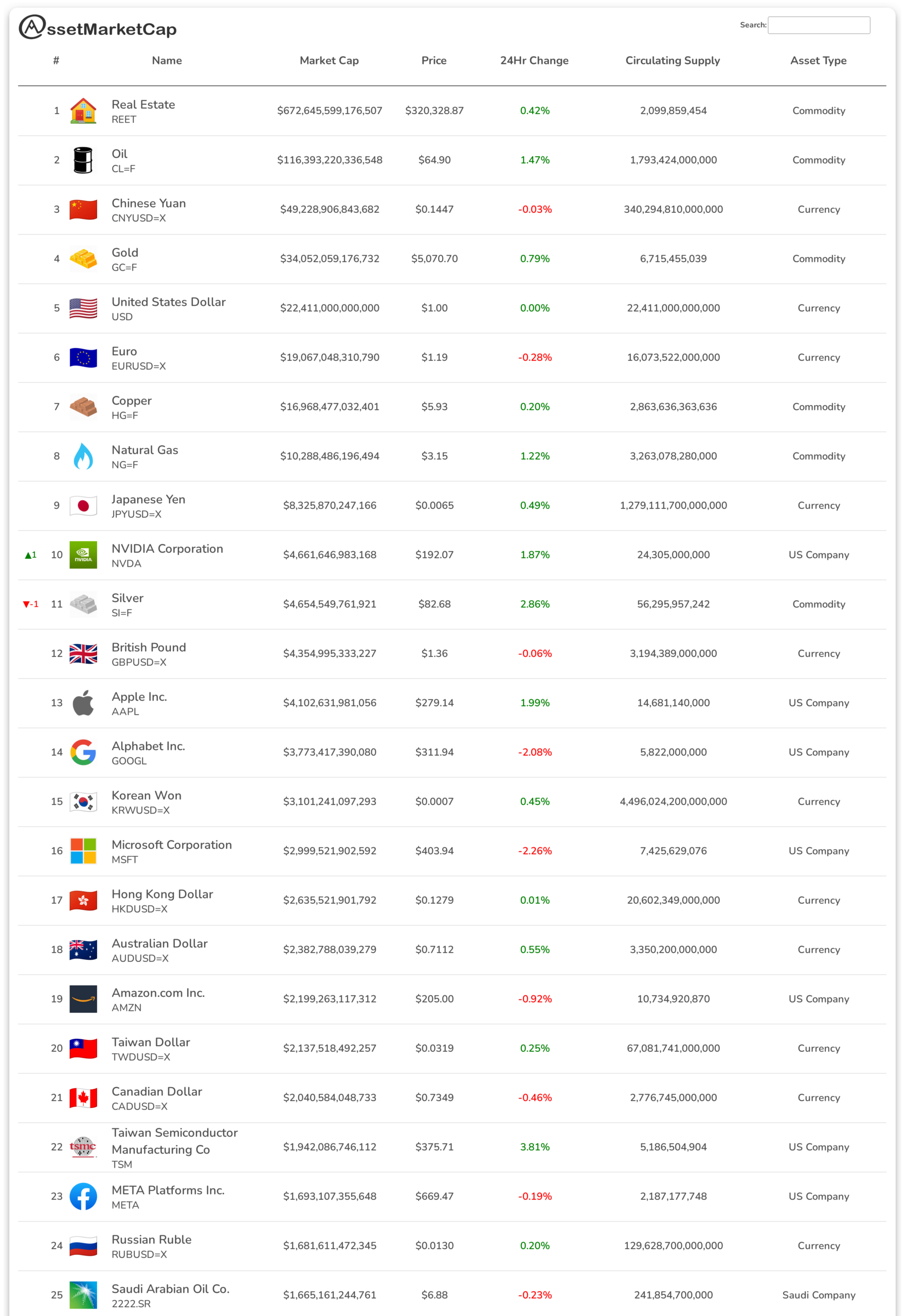
Einhorn’s insights also highlight the dichotomy between fiscal and monetary policies in the United States. He argues that the current relationship between these two realms is illogical, suggesting that such dissonance creates fertile ground for gold investments. The recent weakness of the U.S. dollar, which experienced its most significant one-day drop since April 2025, can be seen as a symptom of this instability.
Moreover, Einhorn emphasizes that other major currencies face challenges that are “as bad or worse” than the U.S. dollar. This perspective is critical for investors considering gold as a hedge against currency fluctuations, inflation, and economic uncertainty.
### Analyzing the Implications of Rate Cuts
If Einhorn’s predictions about interest rate cuts come to fruition, the implications for the gold market and the broader economy could be profound. Lower interest rates typically lead to reduced opportunity costs for holding gold, making it more attractive to investors. This dynamic could further fuel gold’s rally, creating a self-reinforcing cycle where rising prices attract more investors, subsequently pushing prices even higher.
Conversely, if the Fed does not cut rates as aggressively as Einhorn anticipates, the market could respond negatively, particularly for gold. The potential for economic overheating—where inflation outpaces growth—could also pose risks. Einhorn’s assertion that Warsh would advocate for cuts regardless of economic conditions adds an intriguing layer of complexity to this scenario.
### Einhorn’s Other Investments: SOFR Futures
In addition to his gold holdings, Einhorn is also betting on **Secured Overnight Financing Rate (SOFR)** futures. These instruments serve as a barometer for short-term interest rates, and investing in them suggests Einhorn’s expectation that rates will continue to decline. This strategy complements his gold investments, as both reflect a belief in an environment of loose monetary policy.
### Conclusion: A Balanced Perspective
David Einhorn’s predictions regarding the Federal Reserve and his subsequent investments in gold and SOFR futures highlight a compelling narrative within the finance community. His analysis provides a lens through which to assess the current economic landscape, characterized by uncertainty and volatility.
While Einhorn’s confidence is grounded in historical trends and economic fundamentals, it is crucial for investors to approach these predictions with a balanced perspective. The interplay between interest rates, gold prices, and geopolitical tensions creates a complex web of factors that can influence market outcomes.
As the year unfolds, all eyes will be on the Federal Reserve and how its decisions will shape not only the precious metals market but the broader economy. Investors would do well to stay informed and consider the broader implications of Einhorn’s predictions as they navigate this ever-changing financial landscape.




Leave a Reply