
In the fast-paced world of technology, where advancements in artificial intelligence (AI) dominate headlines, a distinct narrative has emerged: *Apple is falling behind*. Yet, the reality may be far more nuanced. As companies like Google, Meta, and Microsoft invest staggering amounts—over $300 billion collectively—in AI infrastructure, Apple is taking a different route, investing a comparatively modest $12.7 billion in capital expenditures for the fiscal year. This has led many analysts to label Apple’s AI strategy as a “disaster.” But is Apple really losing the AI race, or is it simply choosing not to participate in the same way as its competitors?
## The AI Investment Landscape
### Big Tech’s Spending Spree
In 2023, Google announced plans to spend approximately $90 billion on AI infrastructure, while Meta committed $65 billion. Microsoft, Amazon, and Alphabet have collectively allocated over $300 billion for AI advancements. These figures illustrate the urgency and ambition of tech leaders in the AI space, who are racing to secure their positions in what many believe is the next frontier of technology.
### Apple’s Conservative Approach
In stark contrast, Apple’s investment of $12.7 billion raises eyebrows. Critics argue that this signifies a *failure* to innovate in AI technology. Siri, once heralded as the future of voice assistants, is now often seen as a punchline. With the rollout of an AI-powered assistant delayed until 2026, analysts have warned that Apple is lagging one to two years behind its competitors. Many view this as a strategic misstep for a company known for its innovation.
### A Different Perspective: The Commoditization of AI
However, looking beyond the surface, an alternative interpretation is worth considering. The foundation model market for AI is displaying classic signs of *commoditization*. In this scenario, when one company introduces advanced capabilities, competitors rush to follow suit, often within months. Benchmark leadership among AI providers is fluid, with no single entity establishing a sustainable lead.
This rapid evolution has led to dramatic price reductions. For example, Anthropic has slashed its prices by 67%, while Google has cut rates by 70% to 80%. OpenAI has similarly reduced prices across multiple iterations of its models. Such behaviors are indicative of a marketplace moving towards commoditization, where competitive advantages are fleeting.
## Apple’s Strategic Shift: Curating Rather than Competing
### A Change in Strategy
If foundation models are indeed becoming commodities, the strategic focus shifts from developing the models themselves to controlling the *integration layer* and user relationships. Apple boasts a staggering 2.4 billion active devices, giving it one of the most valuable distribution channels in technology. It seems that Apple’s strategy is not only about building AI capabilities but also about sourcing and integrating the best existing technologies.
For instance, in 2024, Apple forged a partnership with OpenAI and subsequently transitioned to Google’s Gemini for the next generation of Siri. By curating the best AI engines available, Apple can incorporate these capabilities within its robust privacy framework, ensuring superior integration across its ecosystem.
### The Art of Integration
This strategy is reminiscent of Apple’s historical approach to innovation. Consider the portable MP3 players that existed before the iPod; Apple didn’t invent the technology but revolutionized its integration into a seamless user experience. Likewise, Samsung and Sony had smartwatches years before Apple made its debut in 2015. The true wireless earbuds from Bragi were available in 2014, two years before Apple released AirPods. Even the smartphone market was dominated by BlackBerry, Palm, and Nokia before the iPhone reshaped consumer expectations in 2007.
In each case, Apple adopted a strategy of watching competitors absorb the costs of pioneering technology and then entering the market with superior integration. This pattern suggests a belief that first-mover advantage is overrated and that *timing discipline is undervalued*.
## AI as Infrastructure, Not a Destination
### Redefining the AI Experience
Apple’s opportunity in AI may not lie in developing a chatbot that competes with ChatGPT, Claude, or Gemini. Instead, Apple seems to be focused on embedding AI invisibly across its product ecosystem—Siri, HomeKit, Apple TV, AirPods, Watch, CarPlay, Photos, and Mail. The chatbot-centric companies are building products where AI is the destination, while Apple’s model positions AI as the infrastructure, present everywhere but visible nowhere.
This approach aligns with Apple’s longstanding philosophy of prioritizing user experience over mere technological advancement. By integrating AI seamlessly into its products, Apple can offer enhanced features without users having to interact with AI directly.
### The Privacy Advantage
Moreover, Apple’s focus on privacy may serve as a significant differentiator in an era when consumers are increasingly cautious about how their personal data is used. Apple’s on-device processing and Private Cloud Compute architecture allow it to implement AI features without harvesting user data, unlike its cloud-centric competitors. As consumers grow wary of AI systems trained on their personal information, this privacy-centric model could become a substantial advantage for Apple, one that companies like Google and OpenAI may struggle to replicate due to their business models.
## The Risks Ahead: A Delicate Balance
### The Commoditization Dilemma
Despite its strategic positioning, Apple faces inherent risks. If AI models do not commoditize as anticipated, and if network effects, proprietary data, or compounding capability advantages create durable moats at the model layer, Apple could find itself reliant on external suppliers for crucial technology. This would put the company in a precarious position, dependent on others who control the most strategic technology of the era.
### Apple’s Financial Flexibility
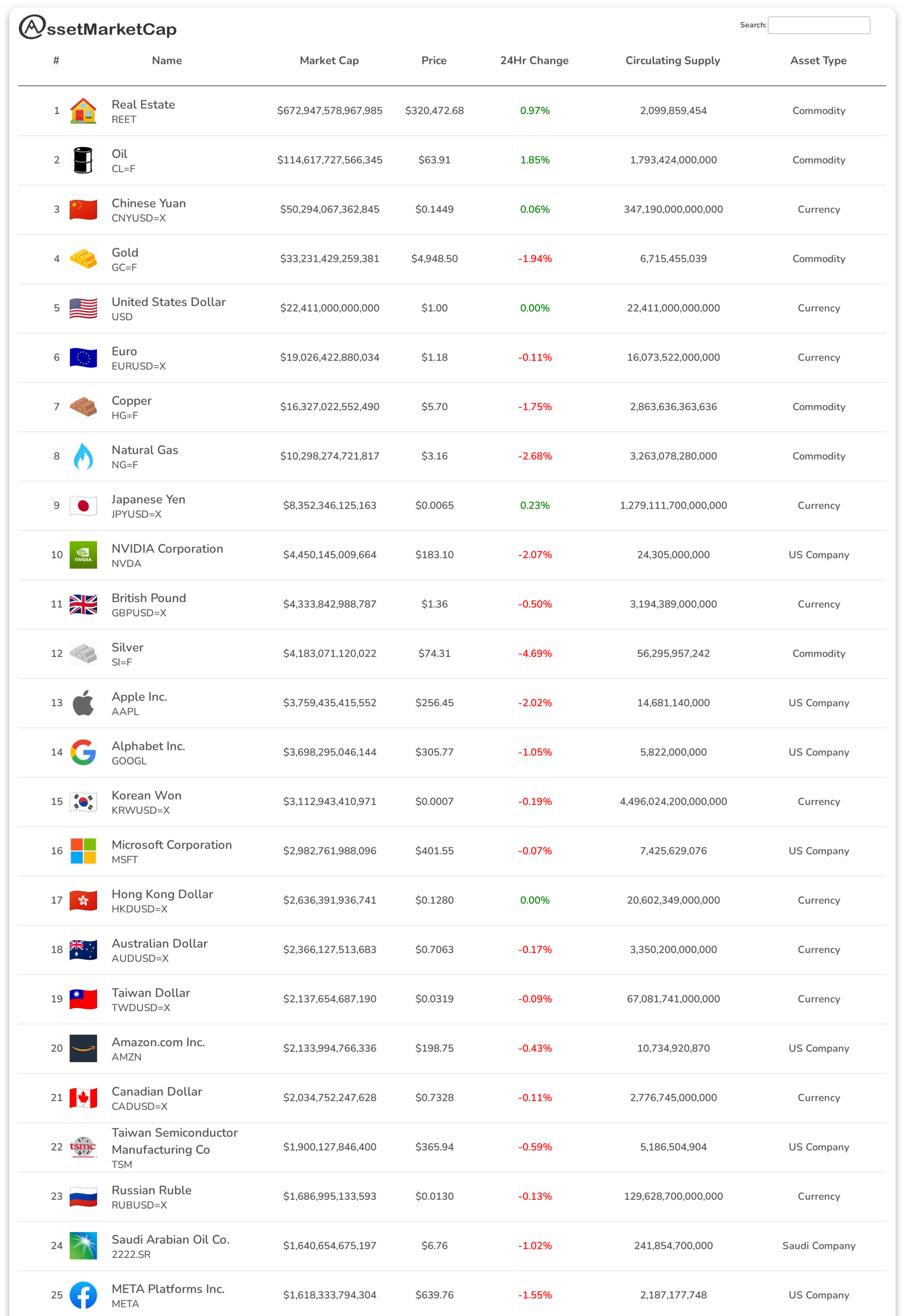
Fortunately, Apple’s robust financial position provides it with significant options. With record revenues of $416 billion and annual profits nearing $100 billion, it stands ready to capitalize on emerging opportunities. Should the AI capital cycle cool—as they inevitably do—Apple could find itself in a buyer’s market where talent becomes accessible, startup valuations drop, and infrastructure costs normalize.
## Conclusion: A Game of Timing and Integration
As the tech landscape evolves, the spending gap between Apple and its competitors raises questions about the effectiveness and long-term vision of Apple’s strategy. Whether this gap represents a failure of innovation or a calculated decision will depend on the future trajectory of AI technology. The critical question remains: Will AI models become interchangeable commodities, or will they maintain their status as sources of competitive advantage?
Currently, Apple appears to be betting on the former. Should their predictions prove correct, today’s restraint might ultimately reflect foresight. Following its historical pattern, Apple could enter the AI space late but with unmatched integration capabilities, positioning itself to win in a market that values user experience over raw technological prowess.
In this high-stakes game of AI, Apple’s strategy of curating rather than competing may be the winning move, one that leverages its strengths while minimizing risks in an unpredictable landscape. As we watch this narrative unfold, it seems that the story of Apple in AI is just beginning.




Leave a Reply