

### Current Gold Market Overview
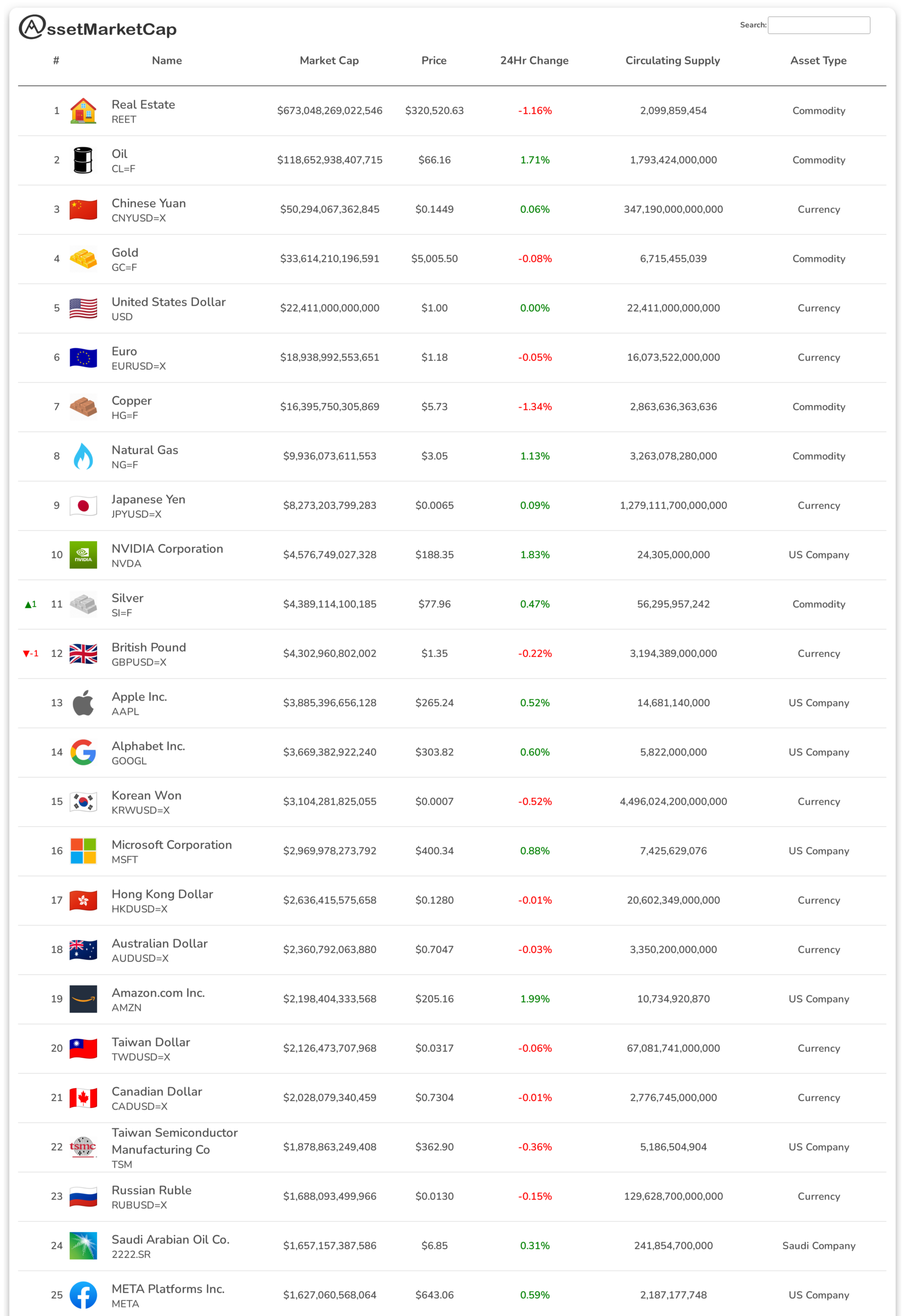
As of today, February 19, 2026, gold futures opened at **$5,002.81 per troy ounce**, marking a slight decrease from **$5,009.50 per troy ounce** yesterday, resulting in a **0.13% decline**. However, it’s essential to note that gold has shown resilience and growth over the past week, with a **1.10% increase** during that period. Such fluctuations are common in the commodities market, influenced by various geopolitical and economic factors.
### Recent Performance Trends
Gold has long been viewed as a safe-haven asset, particularly during times of economic uncertainty. Over the last two years, the precious metal has gained significant traction, with annual increases of **28% in 2024** and a striking **65% in 2025**. In comparison, the S&P 500, a benchmark for U.S. equities, posted gains of **25% and 18%** respectively in the same periods. This shift in performance has prompted many investors to reconsider the role of gold in their portfolios.
### Historical Context: Gold vs. Stocks
Traditionally, gold has struggled to keep pace with the stock market’s returns. However, the past few years have seen a pivotal shift. Economic conditions, including inflationary pressures, market volatility, and fluctuating interest rates, have highlighted gold’s value as a hedge against such uncertainties.
Investors often allocate **5% to 10%** of their capital to alternative investments, including gold, to mitigate risks associated with traditional equity investments. This diversification strategy not only helps protect against inflation but also offers potential upside during market downturns.
### The Case for Gold in Investment Portfolios
For long-term investors, gold presents an intriguing opportunity. Its low correlation with stock market fluctuations makes it appealing in times of crisis. Here’s why gold remains a strong candidate for portfolio diversification:
– **Inflation Hedge:** Gold has historically retained its value during periods of inflation, making it a reliable store of wealth.
– **Market Volatility:** In turbulent economic times, gold often sees increased demand, driving prices higher.
– **Interest Rate Dynamics:** Falling interest rates make non-yielding assets like gold more attractive relative to traditional fixed-income investments.
### Investment Pathways: How to Buy Gold
Investing in gold can take various forms, catering to different investor preferences and risk tolerances. Here are some of the most common methods:
1. **Physical Gold Ownership:** This includes gold bars, coins, and jewelry. Many investors choose gold IRAs, which allow for tax-advantaged retirement savings tied to physical gold. Numerous reputable gold dealers offer insured shipping and secure storage options at IRS-approved depositories.
2. **Gold Exchange-Traded Funds (ETFs):** For those who prefer a more liquid and less hands-on approach, gold ETFs provide an excellent alternative. These funds track the price of gold and allow investors to buy shares without needing to store physical gold.
3. **Gold Mining Stocks:** Investing in companies that mine gold can yield dividends and capital appreciation. Stocks such as AngloGold Ashanti not only provide exposure to gold prices but also offer income potential through dividends, creating a dual investment avenue.
4. **Gold Mutual Funds:** Similar to ETFs, gold mutual funds pool money from multiple investors to purchase gold-related assets. This method offers diversification within the sector and professional management.
### Broader Implications of Current Gold Prices
The subtle dip in gold prices today may have broader implications for both the commodities market and the global economy. Here are some factors to consider:
– **Geopolitical Tensions:** Ongoing global conflicts and political instability can drive demand for gold as a safe haven. Investors should keep an eye on international developments that may impact gold prices.
– **Economic Indicators:** The health of the global economy, particularly in major markets such as the U.S. and China, can significantly influence gold demand. Indicators such as GDP growth, unemployment rates, and manufacturing output are all critical.
– **Central Bank Policies:** Central banks around the world hold significant gold reserves. Their buying or selling activity can affect market sentiment and pricing. Additionally, interest rate policies from institutions like the Federal Reserve play a crucial role in gold’s appeal.
### Conclusion: The Future of Gold Investment
As of February 19, 2026, gold remains a compelling investment option amid a backdrop of economic uncertainty and fluctuating market conditions. While today’s prices indicate a slight decline, the longer-term trends suggest that gold continues to play a vital role in diversified investment portfolios.
For those considering adding gold to their assets, understanding the various investment options and staying informed about market dynamics is essential. As always, potential investors should conduct thorough research or consult with a financial advisor to align their investment strategy with their financial goals.
In summary, whether through physical ownership, ETFs, or mining stocks, gold offers a unique blend of security and growth potential, making it a valuable component of any investment strategy in today’s complex financial landscape.
Source: https://money.com/gold-prices-today-february-19-2026/?xid=moneyrss




Leave a Reply