
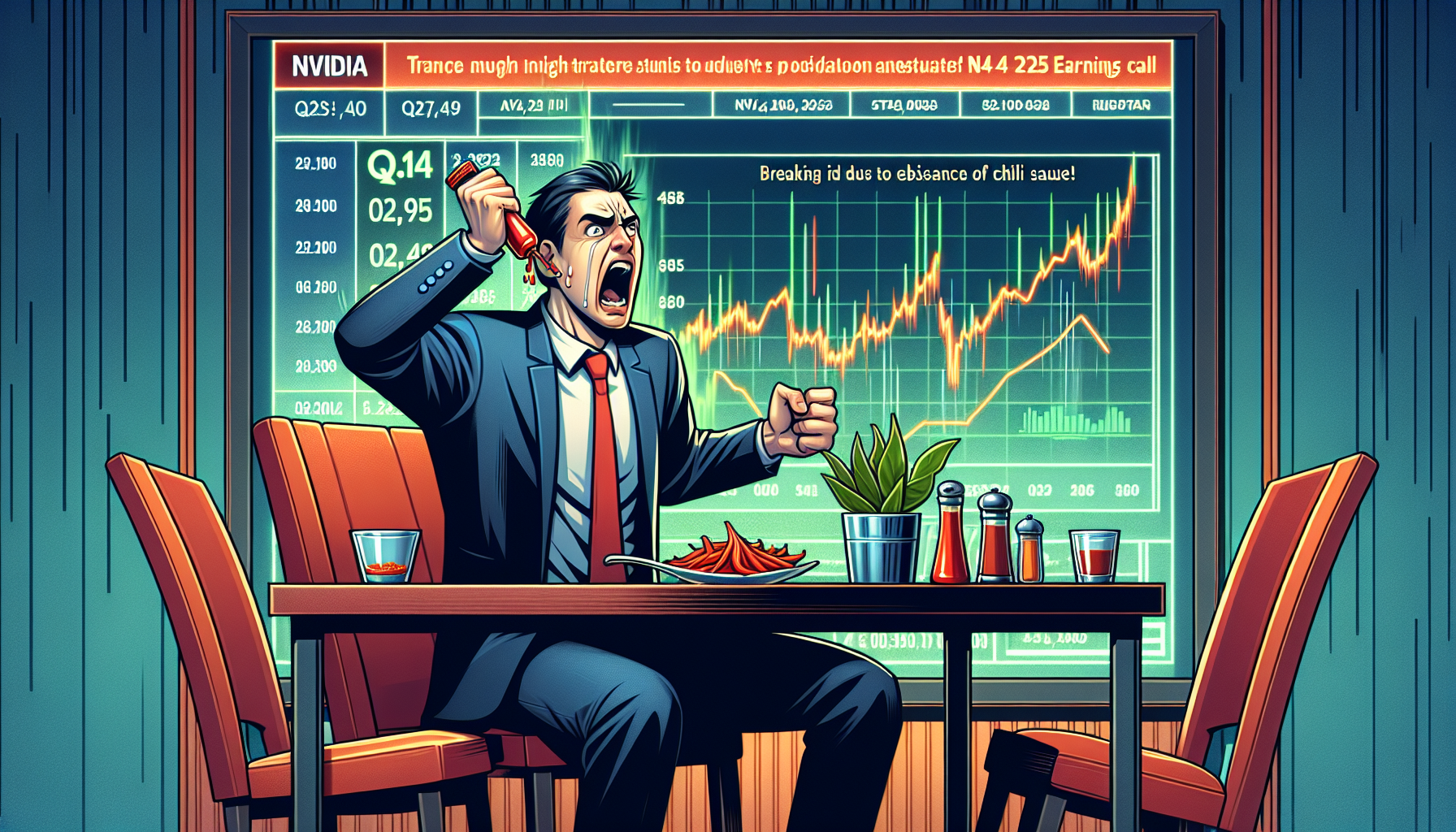
As global markets gear up for what could be a transformative moment in the tech sector, **Nvidia Corporation** stands at the forefront of investor attention. With the company set to release its Q4 2025 earnings report this evening, traders are feeling the weight of uncertainty surrounding artificial intelligence (AI) investments. Recent volatility in tech stocks, particularly those associated with AI, has led analysts to draw stark comparisons between current market sentiment and historical downturns.
### Market Sentiment: A Fragile State
**S&P 500 futures** saw a modest increase of 0.14% this morning, reflecting a slight recovery after the index closed up 0.77% in the previous session. This uptick comes on the heels of a concerning 1% decline on Monday, triggered by fears of an AI-fueled economic downturn. Comments from analysts suggest that traders are cautiously optimistic, but not without reservations.
Dan Ives, a prominent analyst at **Wedbush**, captured the sentiment succinctly: “We will … be able to hear a pin drop on Street trading desks as the entire global market will be carefully watching these results and commentary.” His assertion underscores the weight that Nvidia’s earnings report carries, not just for the company itself, but for the broader tech sector and its investors.
Conversely, **ING** expressed a more cautious tone, with Francesco Pesole warning that “the downside risks to global risk sentiment from a miss appear larger than the upside from a beat.” This sentiment reflects the precarious state of tech stocks, where any negative news could lead to significant sell-offs.
### The AI Investment Landscape: A Double-Edged Sword
The burgeoning AI sector has been a double-edged sword for many investors. While the potential for growth is staggering, the volatility surrounding AI stocks has heightened investor anxiety. The **Nasdaq Composite** index, which is heavily weighted with tech stocks, is down 1.63% year-to-date, in contrast to the S&P 500’s modest increase of 0.65%.
Recent analysis from **Bespoke Investment Group** highlights the emergence of what they term the “AI Doom” basket, which tracks 55 large-cap stocks that have faced significant declines in value due to negative headlines surrounding AI. This basket is now trading at levels reminiscent of the “tariff tantrum” lows experienced last year, signaling a potential crisis of confidence among investors.
### Real-World Implications: The Chilli Sauce Metaphor
The anxiety surrounding Nvidia’s earnings is not just financial; it’s deeply psychological. Xiao Lei, chief economist at **Kasikornbank**, provided a vivid metaphor for the current investor psyche: “If you see a strong man suddenly break down in tears in a restaurant because there’s no chilli sauce on the table, you immediately understand that he must have been holding back those tears for a long time.” This imagery encapsulates the fear and uncertainty that investors are grappling with as they await Nvidia’s performance.
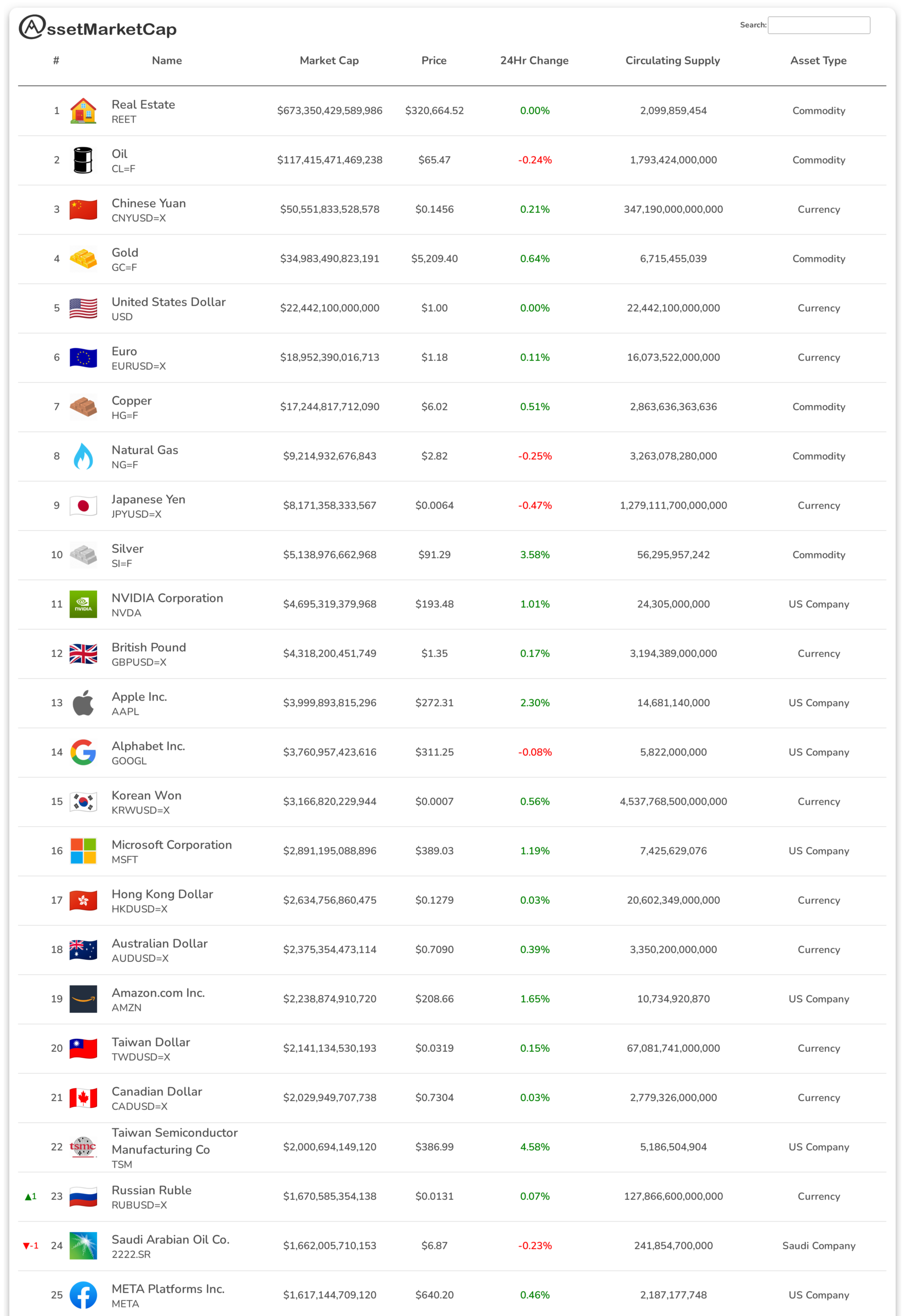
The core of this anxiety stems from a broader concern about the sustainability of growth in the AI sector. As Goldman Sachs recently noted, capital expenditures (capex) by AI hyperscalers are projected to reach **$667 billion by 2026**, a staggering 62% increase from the previous year. This figure surpasses thresholds reminiscent of the dot-com bubble, raising concern about whether such rapid spending is sustainable.
### The Dot-Com Parallels: A Cautionary Tale
Drawing parallels with the dot-com era of the late 1990s, analysts are warning that the current trajectory of hyperscaler capex could lead to a similar fate. Goldman Sachs analysts Ryan Hammond and his team noted, “Hyperscaler capex is now on pace to exceed 90% of cash flows this year, above the share during the Dot Com Boom.” This statistic is alarming and indicates that many AI infrastructure stocks may be vulnerable to a slowdown.
Nvidia, as a leading supplier of AI chips, is emblematic of this risk-reward conundrum. While the company has experienced impressive growth, the disconnection between its stock price and earnings raises questions about the sustainability of its recent performance. Investors are left to ponder if Nvidia can maintain its momentum in an increasingly cautious market.
### The Broader Market Context: Global Reactions
Looking beyond the U.S., global markets have responded variably as investors digest potential outcomes from Nvidia’s earnings. This morning, the **STOXX Europe 600** was up 0.55%, the U.K. **FTSE 100** rose 0.95%, Japan’s **Nikkei 225** increased by 2.2%, and China’s **CSI 300** was up 0.6%. In South Korea, the **KOSPI** climbed 1.91%, while India’s **NIFTY 50** saw a slight increase of 0.23%.
Moreover, the cryptocurrency market is experiencing its own surge, with **Bitcoin** climbing to $65.4K, a stark reminder of the volatility and opportunities that exist within the financial landscape. The correlation between tech stocks and cryptocurrencies underscores the interconnectedness of modern financial markets, where sentiment can shift rapidly based on a single event.
### Conclusion: Eyes on Nvidia
As traders anxiously await Nvidia’s earnings call, the stakes have never been higher. With the potential to shape market sentiment and investor confidence, the company’s performance will be scrutinized not only for its immediate financial results but also for the broader implications it carries for AI and tech stocks as a whole.
The cautionary tales from the dot-com era and current market fragility highlight the need for investors to remain vigilant. The outcome of Nvidia’s earnings could either reassure the market or exacerbate the fears surrounding AI investments. In a landscape where the potential for growth is matched only by the risks of volatility, the world will be watching closely to see if Nvidia can deliver a performance that quells the anxieties of investors or if it will contribute to an already fragile sentiment surrounding AI stocks.
As the earnings call approaches, both optimism and anxiety intertwine, serving as a reminder that in the world of finance, sentiment can shift as rapidly as the markets themselves.




Leave a Reply