

# Why Investing in Gold is a Smart Move for Your Portfolio
SUMMARY: Investing in gold has been a time-tested strategy for wealth preservation and portfolio diversification. This article explores the benefits and drawbacks of gold investment, offering insights for modern investors looking to safeguard their wealth and navigate economic uncertainty.
## The Allure of Gold: A Historical Perspective
For centuries, gold has been synonymous with wealth, power, and stability. From ancient civilizations using gold as currency to modern investors treating it as a hedge against inflation and economic instability, the precious metal has maintained its luster through the ages. Its intrinsic value and scarcity have made it a sought-after asset, particularly during turbulent times.
In an era marked by rapid technological advancements and financial innovation, the role of gold in investment portfolios has evolved, yet its fundamental appeal remains unchanged. In this article, we will delve into the reasons why investing in gold can be a prudent choice, while also addressing potential drawbacks.
## Reasons to Invest in Gold
### Hedging Against Inflation
Inflation erodes the purchasing power of currency, and historically, gold has been viewed as a reliable hedge against this phenomenon. When inflation rises, the value of fiat currencies often declines, leading investors to seek refuge in gold, which tends to retain its value.
– **Historical Performance**: Over the last few decades, gold prices have generally increased during periods of high inflation. For instance, during the 1970s, a decade characterized by soaring inflation rates, gold surged from approximately $35 an ounce to over $800.
– **Modern Context**: With recent inflationary pressures spurred by unprecedented monetary policies and global supply chain disruptions, many investors are once again turning to gold as a protective measure.
### Liquidity and Accessibility
Gold is one of the most liquid assets in the world. It can be easily bought and sold in various forms, making it an attractive option for investors seeking flexibility.
– **Forms of Investment**: Investors can choose to hold physical gold, such as coins and bars, or invest in gold exchange-traded funds (ETFs) and shares of gold mining companies. This variety allows for tailored investment strategies based on individual preferences and market conditions.
– **Market Dynamics**: The liquidity of gold means that during times of economic uncertainty, it can be quickly converted into cash or used for transactions — a critical feature for those needing immediate access to funds.
### Portfolio Diversification
Integrating gold into an investment portfolio enhances diversification, which is essential for managing risk.
– **Low Correlation with Other Assets**: Gold typically exhibits a low correlation with traditional financial assets like stocks and bonds. This means that when equities are underperforming, gold may act as a stabilizing force, helping to cushion against potential losses.
– **Real-World Example**: During the 2008 financial crisis, while stock markets plummeted, gold prices soared, providing a valuable counterbalance for investors holding the metal.
### Safe-Haven Asset
In times of geopolitical unrest or economic crises, gold has historically served as a safe haven for investors.
– **Demand Surge in Turbulent Times**: Events such as wars, political instability, and financial crises tend to increase demand for gold, as it is perceived as a reliable store of value. For instance, during the COVID-19 pandemic, gold prices reached record highs as investors sought refuge from the economic fallout.
– **Psychological Factor**: The perception of gold as a safe haven is deeply rooted in human psychology. It is often viewed as a tangible asset that retains intrinsic value, unlike currencies that can be subject to inflation or devaluation.
## Disadvantages of Investing in Gold
While gold offers numerous benefits, it is essential to consider the potential downsides.
### Price Volatility
Gold prices can experience significant volatility, particularly in the short term.
– **Market Sensitivity**: Fluctuations in gold prices are often influenced by economic data, geopolitical events, and changes in investor sentiment. For instance, announcements related to interest rate changes by central banks can lead to swift movements in gold prices.
– **Risk Tolerance**: This volatility may not align with every investor’s risk tolerance, particularly those seeking stable, predictable returns.
### Lack of Income Generation
Unlike stocks or bonds, physical gold does not generate income or dividends.
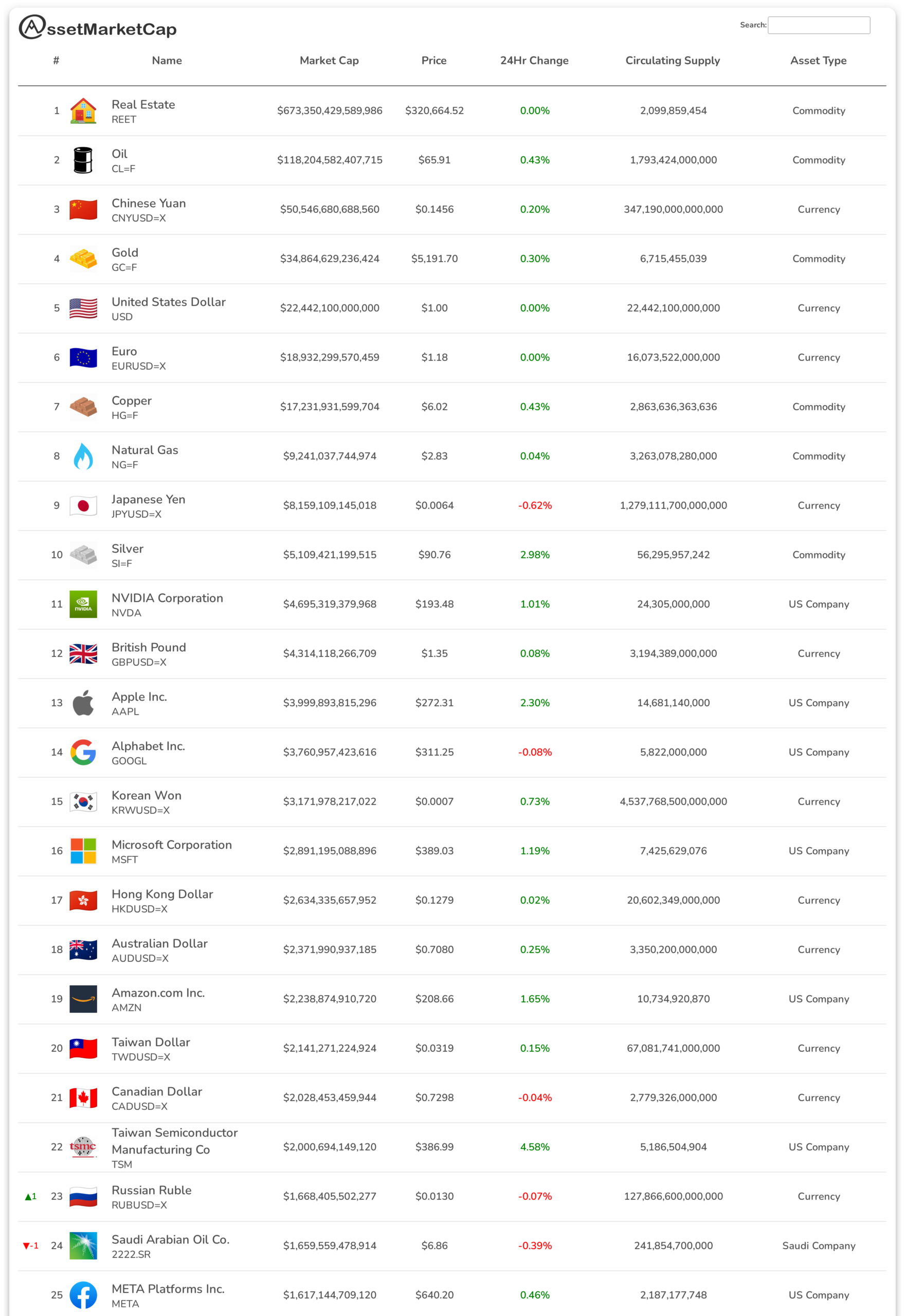
– **Capital Appreciation**: The primary return from gold investments comes from capital appreciation, meaning investors must sell their holdings to realize profits. This characteristic may not appeal to those seeking regular income from their investments.
– **Alternative Income Options**: For investors desiring exposure to gold without the income void, gold stocks and ETFs that offer dividends may present viable alternatives, providing both income and exposure to the precious metal.
### Storage, Security, and Insurance Costs
Physical gold ownership entails additional responsibilities that can incur costs.
– **Secure Storage**: If you opt for physical gold, secure storage becomes a necessity. This may involve fees for safe deposit boxes or specialized storage facilities, particularly if you hold a significant amount.
– **Insurance Costs**: Protecting your gold from theft or loss requires insurance, further adding to the overall cost of ownership. These expenses can erode the returns on investment and should be factored into your decision-making process.
## How to Start Investing in Gold
For those considering gold as an investment, understanding the various options available is crucial.
### Opening an Investment Account
The first step in investing in gold is to establish an account with a brokerage firm that provides access to gold-related investments.
– **Online Brokerages**: Many online brokerages offer trading options for gold ETFs, gold mining stocks, and even futures contracts. This accessibility allows investors to enter the gold market with relative ease.
– **Due Diligence**: Before choosing a brokerage, conducting thorough research on fees, services, and available investment options is advisable to ensure alignment with your financial goals.
### Understanding Different Investment Vehicles
Investors can choose from a variety of methods to gain exposure to gold.
– **Physical Gold**: Purchasing coins or bars can be a rewarding yet challenging endeavor, as it involves considerations of storage and security.
– **Gold ETFs**: Exchange-traded funds provide a more accessible way to invest in gold without the need for physical ownership. They track the price of gold and are traded on exchanges like stocks.
– **Gold Mining Stocks**: Investing in companies that mine gold can offer exposure to gold prices while also providing the potential for dividends.
### Futures Contracts and Advanced Strategies
For more experienced investors, futures contracts offer a way to speculate on gold prices.
– **Complex Instruments**: Futures are intricate financial instruments that require a deeper understanding of market dynamics and risk management. They are generally not recommended for beginner investors.
– **Leveraged Investments**: While they can amplify returns, futures contracts can also magnify losses, making them suitable only for those with a high-risk tolerance.
## The Bottom Line: Is Gold Right for You?
The decision to invest in gold should be based on individual financial goals, risk tolerance, and market outlook.
### Weighing the Pros and Cons
Gold’s reputation as a safe-haven asset, its ability to hedge against inflation, and its role in portfolio diversification make it an attractive option for many investors. However, potential drawbacks like price volatility, lack of income generation, and associated costs should not be overlooked.
### Future Outlook
As global economic conditions continue to evolve, the role of gold in investment portfolios may become increasingly relevant. Factors such as rising inflation, geopolitical tensions, and shifts in monetary policy could all influence demand for the precious metal.
### Conclusion
In conclusion, gold remains a significant asset class for those seeking to safeguard wealth and diversify their portfolios. By understanding both the benefits and risks associated with gold investment, you can make informed decisions that align with your financial aspirations. Whether you choose to invest in physical gold, ETFs, or mining stocks, keeping a balanced perspective will be key to navigating the complexities of the market.
—
As you consider your investment options, remember that a well-rounded portfolio often includes a mix of assets, and gold can serve as a valuable component in the quest for long-term financial security.




Leave a Reply