

Bitcoin, the world’s leading cryptocurrency, has seen a fluctuating price pattern lately, hovering near the $66,000 mark as of March 1, 2023. This price stabilization comes in the wake of geopolitical shocks stemming from U.S. and Israeli military activities in Iran, raising alarms within the international community and financial markets.
### A Weekend of Turmoil: U.S. Strikes on Iran
The backdrop of Bitcoin’s price movement is crucial for understanding market sentiment. Over the weekend, the United Nations Security Council convened an emergency meeting, during which the Secretary-General expressed concern that recent escalations could spiral into a broader conflict. The U.S., Israel, and Iran exchanged legal and moral accusations, leading to a high-risk environment that could affect various asset classes, including Bitcoin.
As traders anticipate Monday’s U.S. market reopening, they face the first major test of liquidity and spot ETF flow in light of these geopolitical developments. Bitcoin experienced a price low of $63,068 on February 28, ultimately closing at $66,999. The cryptocurrency opened Sunday at approximately $66,990, setting the stage for potential volatility as market participants grappled with the fallout from the weekend’s events.
### The Energy Factor: Implications for Bitcoin
The crisis has implications that extend beyond diplomatic tensions; energy markets are also under significant strain. Reports indicated that tensions near the Strait of Hormuz, a critical shipping lane for the global oil supply, were escalating. Attacks on vessels in this area raised concerns over crude oil pricing and shipping disruptions, which are particularly relevant as they can tighten financial conditions and affect Bitcoin’s price dynamics.
Historically, Bitcoin has been viewed as a “digital gold”—a safe haven during times of uncertainty. However, the recent sell-off highlighted that its correlation with geopolitical events may not align with traditional safe-haven assets. Following the U.S. military strikes, Bitcoin plummeted by 7%, signaling that traders are increasingly viewing it through the lens of macroeconomic conditions rather than solely as a crypto-specific asset.
### Market Dynamics: The Role of Liquidity
Bitcoin trading has increasingly bifurcated into two distinct liquidity regimes: weekend trading and weekday U.S. trading hours. The former can absorb macro stress in real time, but liquidity is considerably deeper during U.S. market hours, particularly through ETF and institutional channels.
As the U.S. market reopened, traders were primed for potential shifts in Bitcoin’s valuation based on the ongoing energy crisis and market sentiment. If the Monday session reveals a meaningful energy risk premium, Bitcoin may behave more like a high-beta asset, subject to broader market fluctuations rather than crypto-specific trends. Conversely, if the fears surrounding energy prices dissipate and ETF flows mirror last week’s inflow momentum, Bitcoin could quickly extend its rebound.
### The Response to Geopolitical Developments
The situation escalated on Sunday, with reports of critical developments, including the death of Iran’s Supreme Leader Ayatollah Ali Khamenei during initial strikes and subsequent retaliation against U.S. interests. The death of American service members further intensified the crisis, increasing the likelihood that Monday’s market opening would trigger widespread cross-asset repricing rather than simply reflecting a contained event.
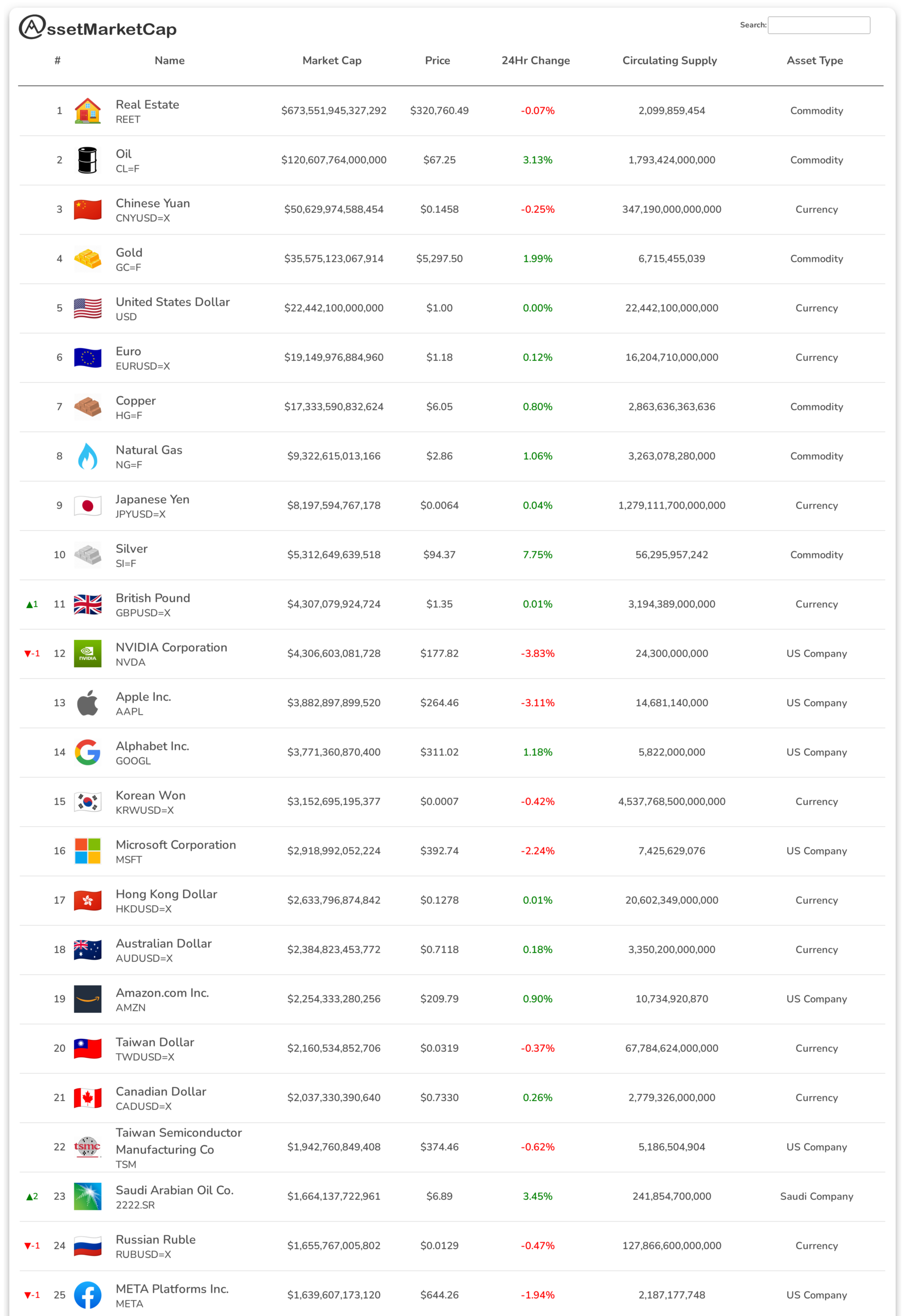
Historically, spikes in energy prices due to geopolitical instability have fed inflation expectations, which can lead to tighter financial conditions and affect risk appetite across various asset classes, including Bitcoin. The interconnectedness of these markets means that Bitcoin’s price action is increasingly influenced by developments in energy and shipping sectors.
### Volatility and Price Action
Bitcoin’s recent price action fits a recognizable pattern: sharp moves during periods of low liquidity, followed by rapid recoveries as panic selling subsides. Over the weekend, Bitcoin traded between $63,068 and $67,657, peaking at $68,159 before settling back around $66,000. This volatility underscores the delicate balance traders must navigate, with Bitcoin still reacting to macroeconomic headlines while attempting to maintain a rebound structure.
The immediate implications for traders are clear: the U.S. market reopening introduces deeper liquidity, altering the dynamics of price discovery. If Bitcoin can hold above key support levels during U.S. hours, it may signal strength and the potential for a renewed uptrend. However, if negative sentiment prevails and selling pressure resumes, the price could slip back toward the lower trading range.
### ETF Flows: A Crucial Indicator
One of the most critical factors for Bitcoin’s performance moving forward will be the flow of spot Bitcoin ETFs. These financial instruments are vital for institutional investors and can significantly impact market pricing. Recent data indicated roughly $1.1 billion in net inflows over the three days leading up to the weekend, suggesting a revival of interest in Bitcoin from institutional players. However, a modest outflow of $27.5 million on February 27 raises questions about sustainability.
Market participants will closely monitor ETF flows when the U.S. market reopens. A strong inflow could solidify Bitcoin’s rebound, while disappointing figures may lead to a sell-off. The ability of institutional investors to absorb selling pressure tied to macro hedging will be pivotal.
### Navigating the Week Ahead: Key Levels and Scenarios
As traders prepare for the week ahead, analyzing key price levels will be crucial. Bitcoin’s ability to hold the mid-$64,000 range will act as a litmus test for its resilience. A contained escalation scenario, characterized by a decline in energy fears and positive ETF inflows, could help maintain the rebound, allowing Bitcoin to reclaim higher resistance levels.
In contrast, an energy shock scenario—where crude prices remain elevated and shipping risks persist—could pressure Bitcoin further, especially if inflation expectations push interest rates higher. The loss of critical support levels would trigger a reevaluation of market positioning and risk appetite.
### Conclusion: The Road Ahead for Bitcoin
In conclusion, Bitcoin’s recent price rebound is intricately linked to geopolitical developments and macroeconomic conditions. As the U.S. market reopens, traders will need to navigate a complex landscape influenced by energy prices, ETF flows, and broader market sentiment. The interplay of these factors will likely define Bitcoin’s trajectory in the days and weeks ahead.
For investors and traders alike, the message is clear: stay vigilant and responsive to macroeconomic indicators. The current environment presents both challenges and opportunities, and understanding the broader implications of geopolitical events will be crucial for navigating the volatile world of cryptocurrency. As always, informed decision-making will be the key to success in this ever-changing market landscape.




Leave a Reply