
### Introduction: The Calm Before the Storm
Gasoline prices fluctuating around the $3 mark have become a stark reminder of the volatile interplay between geopolitics and economics. With recent escalations in the Middle East, particularly the conflict involving Iran, consumers are facing the prospect of significantly higher gas prices in the near future. Patrick De Haan, the head of petroleum analysis at GasBuddy, has warned that motorists should brace themselves for increases anywhere from $0.10 to $0.30 per gallon in the coming days.
As we delve deeper into this issue, we will explore the factors driving these price changes, the implications for consumers, and what it all means in the larger context of global oil supply and security.
### The Current Landscape: A Spike in Oil Prices
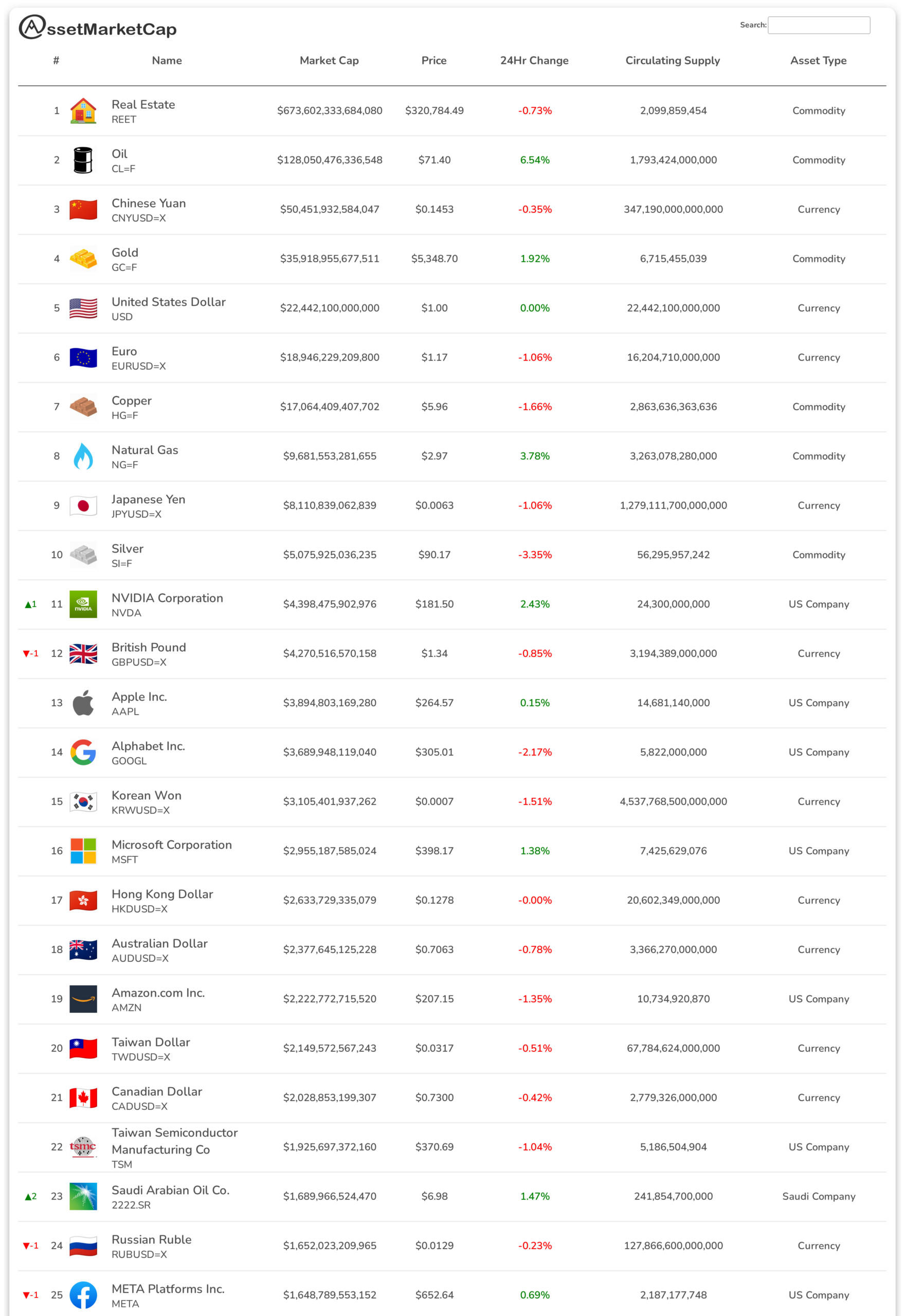
The latest surge in oil prices follows military actions involving the U.S. and Israel targeting Iran. Following these operations, regional tensions have escalated, leading to retaliatory strikes that have sent shockwaves through the oil markets. The immediate response was a noticeable spike in oil prices, with Brent crude futures jumping 8% to approximately $79 per barrel and U.S. benchmark West Texas Intermediate crude rising more than 7% to around $72 per barrel.
This volatility in oil prices has significant ramifications. According to JPMorgan analysts, should the conflict persist and restrict vessel passage through the Strait of Hormuz—one of the world’s most critical oil transportation routes—Brent crude prices could exceed $100 per barrel. Given that an estimated 20% of the world’s oil supply transits through this narrow strait, the stakes are incredibly high.
### The Fall-Out: Impacts on Gasoline Prices
As oil prices rise, the effects are quick to trickle down to consumers at the pump. The national average for gasoline recently reached just under $3 per gallon, reflecting a slight increase from the previous day. However, experts like De Haan believe that this is just the beginning. The increase in gasoline prices is compounded by the seasonal switch to cleaner, more expensive fuel formulations as the spring driving season begins.
– **Seasonal Influences**: Spring often sees increased driving activity, leading to higher gasoline demand. Coupled with the rising prices of crude oil due to geopolitical tensions, this seasonal effect can exacerbate price hikes.
– **Market Dynamics**: The oil market is highly sensitive to geopolitical events. Disruptions in oil supply, whether from military conflicts or natural disasters, can lead to immediate price reactions.
### Historical Context: Oil and Conflict
To understand the current situation, it’s essential to look back at historical precedents where geopolitical conflicts have influenced oil prices. For instance, the Gulf War in the early 1990s saw oil prices spike dramatically due to fears about supply disruptions. Similarly, the 2003 invasion of Iraq led to a significant increase in oil prices, illustrating how conflicts in oil-rich regions can create ripples across global markets.
**Key Takeaways from Historical Events**:
– **Supply Chain Vulnerability**: Conflicts can lead to immediate supply chain disruptions, prompting panic buying and stockpiling.
– **Long-Term Economic Consequences**: Sustained increases in oil prices can lead to inflationary pressures, affecting everything from transportation to food prices.
### Real-World Examples: The Consumer Experience
As we approach the possibility of rising gas prices, many consumers are already feeling the pinch. Drivers are noticing the impact at the pump, with reports of prices rising on a daily basis in some regions. For example, in areas heavily reliant on oil for transportation, families may need to adjust their budgets to accommodate these increases.
– **Family Budgets**: A family that commutes daily for work may see its monthly gasoline expenses rise by $50 to $100, depending on the extent of the price increases.
– **Business Operations**: Small businesses that rely on transportation for deliveries are likely to face higher operational costs, which may be passed on to consumers in the form of higher prices for goods and services.
### Broader Implications: The Future of Energy Prices
As the situation in the Middle East continues to develop, the implications for global energy prices remain uncertain. Analysts suggest that prices could remain elevated for weeks, if not months, particularly if the conflict escalates.
**Potential Scenarios**:
1. **Short-Term Spike**: If the conflict de-escalates quickly, we might see a rapid correction in oil prices.
2. **Prolonged Conflict**: An extended conflict could lead to sustained high prices, potentially reshaping how consumers and businesses approach energy consumption.
3. **Shift in Energy Policy**: Prolonged volatility in oil prices could accelerate the transition to alternative energy sources, as businesses and consumers seek more stable energy options.
### The Role of Government and Policy
Amidst rising prices, government intervention can play a crucial role. Policymakers may consider measures such as strategic petroleum reserves releases or subsidies to mitigate the impact on consumers. However, these actions often come with their own set of challenges and may not fully address the root causes of rising prices.
**Policy Considerations**:
– **Strategic Reserves**: Utilizing strategic reserves can provide temporary relief but may not be a long-term solution.
– **Investment in Renewables**: Increased investment in renewable energy sources could reduce dependence on oil and buffer against future price shocks.
### Conclusion: Navigating the Storm
As we navigate through these uncertain times marked by geopolitical tensions and rising oil prices, the immediate impacts on gas prices are clear. Consumers can expect to see higher costs at the pump, but the broader implications are even more significant. The ongoing conflict in the Middle East serves as a stark reminder of how closely linked our global economy is to geopolitical stability.
The situation underscores the need for a balanced approach to energy consumption, emphasizing both immediate consumer needs and long-term sustainability. As we watch developments unfold, the question remains: how will we adapt to these changes, and what steps can we take to ensure more resilient energy consumption in the future?
In light of the unfolding events, consumers are encouraged to stay informed and to consider alternative transportation and energy solutions that can provide stability in an increasingly volatile landscape.




Leave a Reply