

### The Winds of Change: Buffett’s Strategic Sell-Off
Warren Buffett, often referred to as the “Oracle of Omaha,” has long been a respected figure in the investment world, known for his disciplined approach to value investing. However, as he approaches the conclusion of his time as CEO of Berkshire Hathaway, his recent actions indicate a marked shift in strategy. Over the last 13 quarters, Buffett has been on a selling spree, offloading stock at an unprecedented rate. This has resulted in a staggering cash pile of **$373 billion** for Berkshire Hathaway by the end of 2025.
#### A Closer Look at the Recent Sales
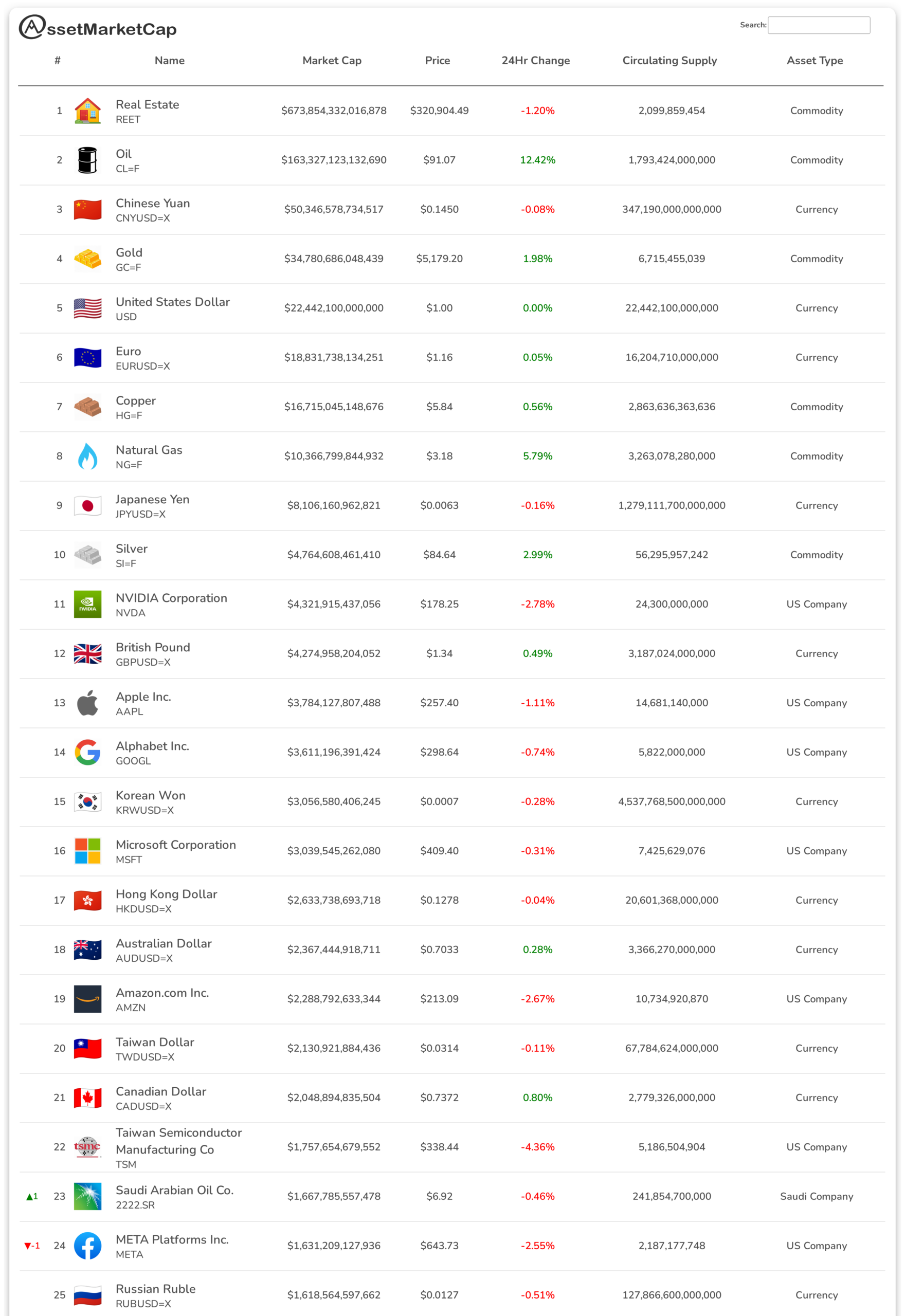
In the latest quarter, Buffett made headlines by trimming Berkshire’s substantial stake in **Apple Inc.** (NASDAQ:AAPL) and beginning to sell shares of **Amazon.com Inc.** (NASDAQ:AMZN). The total value of these sales has been estimated at **$4.5 billion**, a significant adjustment for a portfolio that has historically included these tech giants.
– **Apple Inc.:** Buffett has been a steadfast admirer of Apple, investing over **$30 billion** between 2016 and 2018. At its peak, Apple represented more than **50%** of Berkshire’s marketable equity portfolio, with its value soaring to nearly **$200 billion** in 2023. Despite selling more than **75%** of its shares, Apple’s stake still constitutes about **19%** of Berkshire’s total portfolio. However, the change in valuation has raised eyebrows. Apple’s price-to-earnings (P/E) ratio jumped from around **10** when Buffett started buying to approximately **34** by the end of 2025. This elevated valuation could have played a role in Buffett’s decision to reduce his holdings.
– **Amazon.com Inc.:** The decision to divest from Amazon is also telling. Berkshire’s position in Amazon has been relatively stable since 2019, and rumors suggest that it was established under the management of Todd Combs, who left the company in the last quarter. With Amazon’s P/E ratio dropping to **32** from an astounding **80** when Berkshire initially invested, it may appear as a relative value. However, ongoing concerns about Amazon’s substantial capital expenditures—amounting to **$200 billion** in 2026—suggest that negative free cash flow could be on the horizon, further complicating the investment landscape.
### What Do These Moves Indicate?
Buffett’s recent selling spree may signal a cautious approach toward a market he perceives as overvalued. Despite the massive cash reserves at Berkshire Hathaway, it seems that Buffett is advocating for prudence in an inflationary environment where valuations are under scrutiny.
**Key Takeaways:**
– The decision to trim stakes in established tech companies may reflect concerns over inflated valuations in the broader market.
– The potential for negative cash flow from Amazon’s ambitious capital investments could further justify Buffett’s decision to scale back.
### A New Investment: The New York Times
In stark contrast to Buffett’s divestitures, he has ventured into an investment that is a throwback to a different era: **The New York Times Company** (NYSE:NYT). Founded in **1851**, this iconic publication represents a significant shift in Buffett’s portfolio strategy.
#### The Case for The New York Times
Buffett’s investment in The New York Times comes at a time when traditional media, particularly print journalism, is grappling with substantial challenges. Many media companies are facing declining subscriber numbers, shrinking profits, and layoffs. For instance, the **Washington Post**, which once boasted a strong market position, has recently undergone significant downsizing, laying off **30%** of its workforce after reporting a loss exceeding **$100 million** in 2025.
However, The New York Times has bucked these trends. The company saw a **9%** increase in revenue in 2025, maintaining tight control over expenses, which led to a remarkable **23%** boost in operating profit. The newspaper’s net income rose to **$344 million**, an **18%** increase year-over-year.
#### Keys to Success
The Times has successfully navigated the turbulent waters of digital transformation by diversifying its content offerings. Beyond traditional news, it has expanded into various lucrative areas, including:
– **Cooking**: A subscription service that attracts food enthusiasts.
– **Games**: Engaging users through puzzles and interactive content.
– **Sports**: Acquiring **The Athletic** to enhance sports coverage.
– **Product Reviews**: Through **Wirecutter**, providing valuable consumer insights.
– **Podcasts**: Broadening its reach with audio content.
The Times has managed to cultivate a robust subscriber base, now boasting **12.8 million** subscribers, with **96%** of them opting for digital-only access at an average monthly fee of **$9.72**. Management anticipates continued growth in this sector, projecting a **14% to 17%** year-over-year increase in digital subscribers for the first quarter.
### Valuation and Future Prospects
Despite the positive trajectory and innovative strategies at The New York Times, potential investors should approach with caution. Current market conditions have led to the stock trading at around **30 times** forward earnings estimates. Buffett likely secured shares at a lower multiple in the low-to-mid-20s, but prospective investors may want to wait for a more attractive entry point.
### Broader Implications of Buffett’s Strategy
Warren Buffett’s recent moves reflect a nuanced understanding of the evolving market landscape. As he transitions out of his operational role at Berkshire Hathaway, his actions reveal important lessons for investors:
1. **Market Timing**: Buffett’s selling of high-profile stocks amid rising valuations is a reminder that even the best investors take caution in overheated markets.
2. **Long-Term Vision**: The investment in The New York Times underscores the importance of adaptability. The publication’s success in navigating the digital landscape serves as a case study in resilience and innovation.
3. **Diverse Holdings**: As Buffett diversifies away from tech giants and into established but evolving brands, it showcases the necessity for a balanced portfolio that can weather economic shifts.
### Conclusion
As Warren Buffett steps away from the helm of Berkshire Hathaway, his recent financial maneuvers reveal a blend of caution and strategic foresight. By divesting from tech stocks like Apple and Amazon and investing in the venerable New York Times, Buffett illustrates a complex understanding of market dynamics.
As investors reflect on these significant changes, they are reminded that even in a rapidly transforming financial landscape, the principles of value investing remain timeless. Whether through careful selling or strategic buying, the lessons from Buffett’s legacy will undoubtedly resonate for generations to come.
Source: https://www.fool.com/investing/2026/03/07/warren-buffett-dumped-ai-for-174-year-old-company/




Leave a Reply