

The recent assertions from President Trump regarding the state of the conflict between the U.S. and Iran have provided a glimmer of hope for some investors. However, the overarching sentiment on Wall Street remains cautious, with analysts predicting that the Federal Reserve’s hawkish stance will endure long after the dust settles on current geopolitical tensions. This article delves into the implications of rising oil prices, the Fed’s dual mandate, and the broader economic landscape shaped by these developments.
### The Geopolitical Context
In recent weeks, the political landscape in the Middle East has been tumultuous, culminating in heightened hostilities between the U.S. and Iran. President Trump recently declared that the war is “very complete,” suggesting a potential end to the conflict. However, this claim has raised eyebrows among analysts who recognize that such assurances may not reflect the complex realities on the ground.
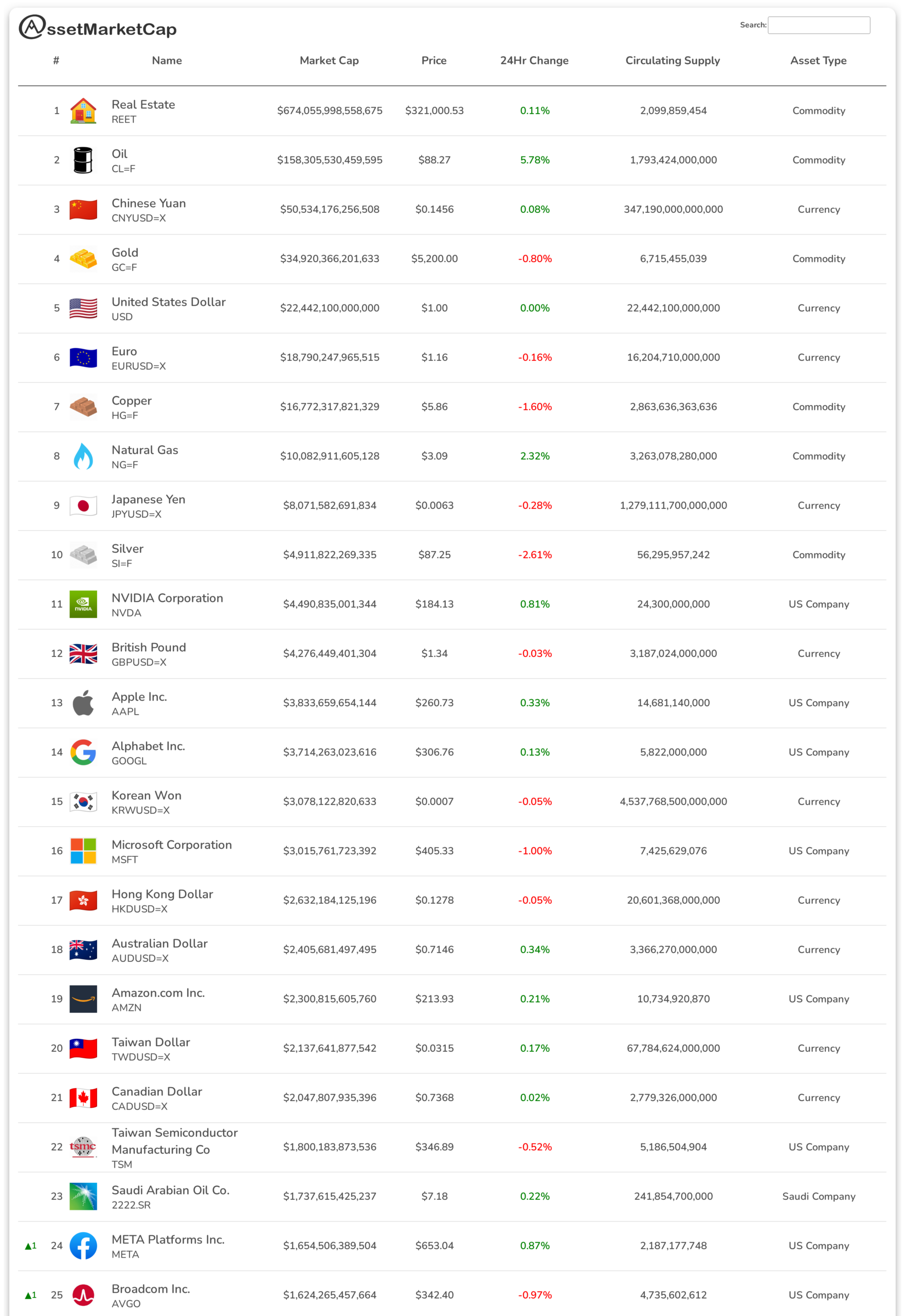
The conflict has significant implications for global oil prices, which surged above $100 a barrel due to geopolitical instability. The Strait of Hormuz, a critical maritime route for oil exports from the Gulf region, has been at the center of these tensions. As shipmasters become increasingly wary of navigating through the strait amidst the conflict, the potential for supply disruptions grows, adding upward pressure on oil prices.
### Inflationary Pressures and Central Bank Response
The relationship between oil prices and inflation is intricate. Rising energy costs can have a cascading effect on the economy, influencing not only transportation and manufacturing but also consumer prices. For the Federal Reserve, which aims to maintain a stable inflation rate of around 2%, this presents a formidable challenge.
Currently, the latest Consumer Price Index (CPI) data from the Bureau of Labor Statistics (BLS) shows inflation at 2.4% over the past year, with certain categories, such as food and energy, exhibiting even higher rates. As households and businesses grapple with the financial impact of rising oil prices, the Fed’s ability to lower interest rates becomes increasingly constrained.
### Market Sentiment and Analyst Perspectives
Despite Trump’s optimistic outlook, analysts from Macquarie, including Thierry Wizman and Gareth Berry, suggest that the conflict’s resolution may not lead to immediate relief for inflationary pressures. In a recent client note, they indicated that even if hostilities subside, it may take months for central banks to feel confident that inflationary impacts have diminished.
“President Trump’s assertion that the war will resolve ‘very soon’ may reflect Iran’s diminished capacity to retaliate rather than a complete tactical retreat by the U.S.,” they noted. This sentiment underlines the complexity of the situation and the potential for continued economic fallout.
### The Fed’s Dual Mandate: Balancing Inflation and Employment
The Federal Reserve operates under a dual mandate: to foster maximum employment and to maintain price stability. Currently, the inflationary pressures stemming from rising oil prices present a significant challenge to this mandate. Analysts believe that the Fed will prioritize addressing inflation, especially given the current economic context.
As reported by Bank of America’s senior economist Aditya Bhave, the market appears to be underestimating the Fed’s response to rising oil prices. He notes that supply shocks create risks on both sides of the Fed’s mandate, particularly when employment figures remain uncertain. The most recent jobs report from the BLS revealed a decrease of 92,000 in nonfarm payroll employment, with the unemployment rate hovering around 4.4%.
Bhave explained that the Fed’s approach may differ from previous instances, such as the response to Russia’s invasion of Ukraine. At that time, strong demand and low unemployment allowed the Fed to focus predominantly on inflation. In contrast, the current landscape features a softer labor market, which may prompt a more dovish response from the Fed if the oil shock persists.
### The Broader Economic Implications
The implications of rising oil prices extend beyond inflation and employment. Consumer confidence, business investment, and overall economic growth could all be adversely affected if oil prices remain elevated for an extended period. High energy costs can lead to decreased consumer spending, as households allocate more of their budgets toward fuel and utilities.
Moreover, businesses may face increased operational costs, leading to potential layoffs or reduced hiring. This creates a vicious cycle where higher energy prices stifle economic growth and lead to weaker labor market conditions, complicating the Fed’s decision-making process.
### Navigating Uncertainty
As Wall Street grapples with the ramifications of a volatile geopolitical landscape, the path ahead remains uncertain. Investors will closely monitor the Federal Reserve’s actions and statements in the coming weeks, particularly during the upcoming Federal Open Market Committee (FOMC) meeting.
The market’s current pricing, as indicated by the CME’s FedWatch barometer, suggests a more than 99% probability of the Fed holding interest rates steady in the near term. However, as Bhave cautions, the interplay between inflationary pressures and employment dynamics may force the Fed to reconsider its stance if economic conditions deteriorate.
### Conclusion: A Cautious Outlook
In summary, while President Trump’s claims of a “complete” war with Iran may provide some reassurance, the realities of the situation suggest that Wall Street should brace for continued hawkishness from the Federal Reserve. The interplay between rising oil prices, inflation, and employment creates a complex tapestry that will require careful navigation by policymakers.
As the geopolitical landscape continues to evolve, the implications for inflation, consumer behavior, and overall economic stability remain fluid. Investors and analysts alike will be watching closely, as the decisions made by the Fed in the coming months will have far-reaching effects on the economy and financial markets. In this environment of uncertainty, a cautious and balanced outlook will be essential for stakeholders across the board.
Source: https://fortune.com/2026/03/11/trump-iran-war-wall-street-hawks-base-rate-fed/



Leave a Reply