

# Surge to $100: Oil Prices Spike Amid Iranian Conflict Disruption
**SUMMARY:** Oil prices are nearing the $100 mark as the International Energy Agency (IEA) declares the ongoing war in Iran as the most significant disruption to global oil supplies in history. With critical infrastructure being targeted and production cuts escalating, analysts are adjusting their price forecasts amid fears of further escalation.
## Introduction: The Oil Price Rollercoaster
In recent weeks, the global oil market has experienced a seismic shift as prices approach the $100 per barrel threshold. The catalyst for this surge? The ongoing conflict in Iran, which the International Energy Agency (IEA) has labeled “the largest supply disruption in the history of the global oil market.” As the situation unfolds, it’s crucial to understand the implications for the energy sector and the economy at large.
## The Current Landscape: Oil Prices on the Rise
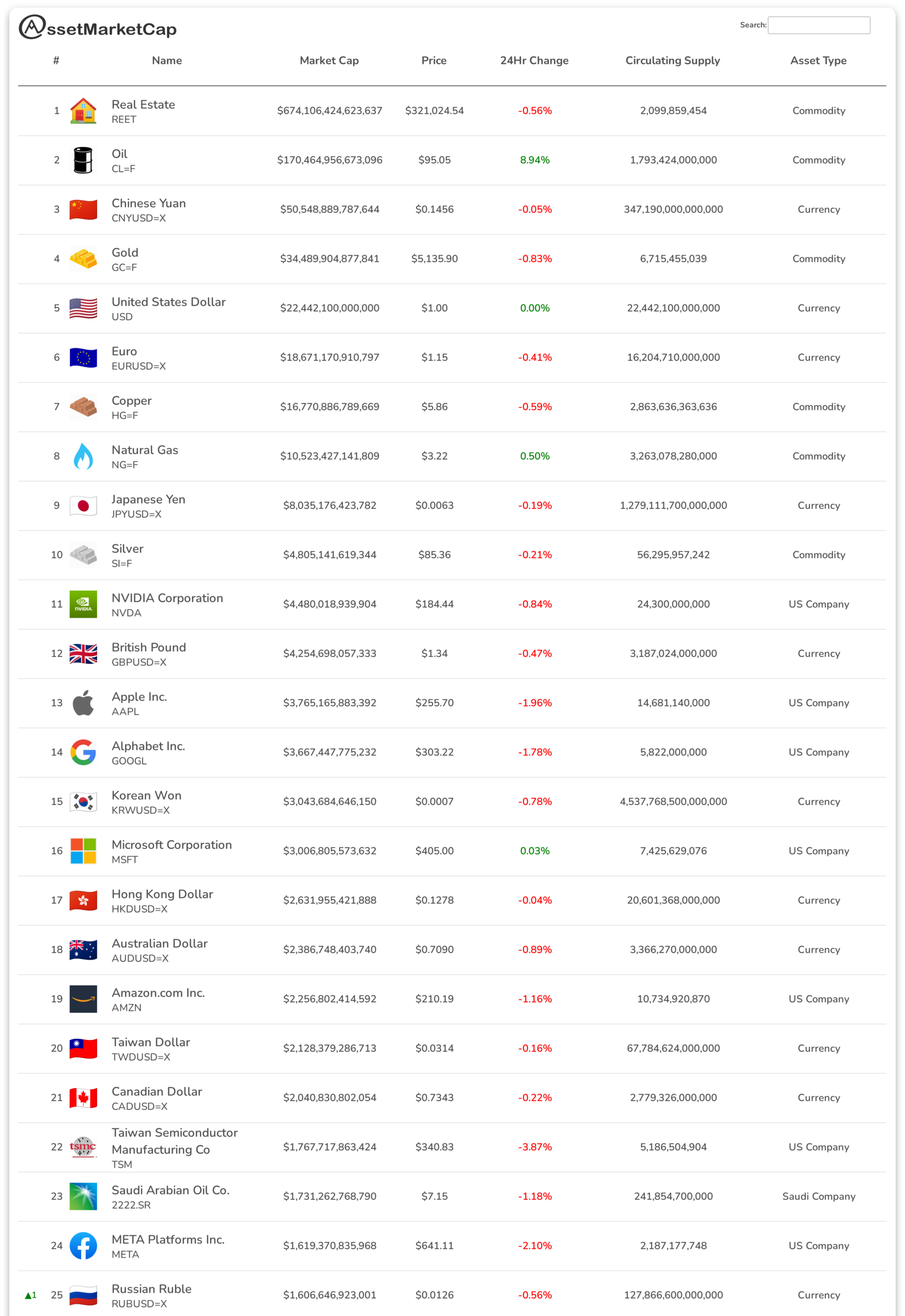
Just 24 hours after the IEA announced a substantial release of 400 million barrels from the Strategic Petroleum Reserve of the Group of Seven (G7) nations, oil prices surged dramatically. Brent crude, the international benchmark, saw a jump of over 7%, trading around $96 per barrel, while West Texas Intermediate (WTI) crude, the US benchmark, gained nearly 9% to surpass $95 per barrel. These fluctuations reflect not only market volatility but also the escalating tensions in the Middle East.
### Impact on Global Supply
The IEA’s recent report indicates that 7.5% of global oil supply has been disrupted, a staggering figure that resonates throughout the market. The Strait of Hormuz, a crucial chokepoint for global oil transport, has effectively seen its flow reduced to nearly zero due to multiple vessel attacks linked to the Iranian conflict. Historically, around **20 million barrels per day** (bpd) pass through this strategic passage, and its closure poses a significant threat to global oil accessibility.
#### Key Statistics:
– **Brent Crude Price:** Increased by more than 7% to around $96
– **WTI Crude Price:** Risen nearly 9% to above $95
– **Global Supply Disruption:** 7.5% of total supply affected
– **Strait of Hormuz Flow:** Reduced to nearly zero
## The Regional Conflict: Iran’s Strategic Moves
The conflict in Iran has escalated significantly, with the Iranian Revolutionary Guard Corps affirming their commitment to preventing any oil from crossing the Strait of Hormuz. In a recent statement, a spokesperson claimed, “You will not be able to artificially lower the price of oil. Expect oil at $200 per barrel.” This declaration highlights Iran’s intent to leverage its geographical position as a bargaining chip in the ongoing geopolitical tensions.
### The Broader Context
Iran’s military actions have targeted various vessels and key infrastructures in the region, resulting in a marked decline in oil production and refining capacity across Gulf states. According to the IEA, Gulf nations have collectively reduced their output by **10 million bpd**, while over **3 million bpd** of refining capacity has been shuttered due to the conflict.
#### Iran’s New Leadership
In a critical development, Iran’s newly appointed Supreme Leader, Mojtaba Khamenei, has vowed to sustain the closure of the Strait of Hormuz and escalate military actions throughout the region. This move signifies a potential increase in hostilities, which could have far-reaching consequences for global oil security.
## Market Reactions: Analysts Adjust Forecasts
The rapid escalation in oil prices has prompted several financial institutions to reassess their projections. Goldman Sachs has revised its fourth-quarter price targets for both Brent and WTI crude multiple times since the onset of the conflict. The bank now anticipates prices of **$76 and $72 per barrel** under a 30-day disruption scenario, and **$93 and $89** per barrel under a 60-day disruption.
### Experts Weigh In
Vikas Dwivedi, a global strategist at Macquarie, warned that a prolonged closure of the Strait of Hormuz could lead to prices soaring to **$150 or higher**. Meanwhile, economists from Bloomberg have suggested that a three-month closure could see prices reach **$160 per barrel**. These forecasts underscore the severity of the situation and the potential for further market destabilization.
#### Market Price Adjustments:
– **Goldman Sachs Q4 Price Targets:**
– 30-day disruption: Brent at $76, WTI at $72
– 60-day disruption: Brent at $93, WTI at $89
– **Macquarie Estimate:** Prices could exceed $150 with a few weeks of closure
– **Bloomberg Estimate:** Potential for $160 per barrel with a three-month closure
## The U.S. Response: Strategic Petroleum Release
In light of escalating oil prices and supply disruptions, the U.S. Department of Energy announced the release of **172 million barrels** from its Strategic Petroleum Reserve over four months, averaging about **1.4 million bpd**. However, this figure falls significantly short of the **15 million bpd** currently disrupted due to the conflict in Iran.
### Political Implications
President Trump has addressed the rising prices, emphasizing national security concerns over economic considerations. In a post on Truth Social, he stated, “The United States is the largest oil producer in the world, so when oil prices go up, we make a lot of money.” This perspective highlights a complex interplay between energy independence and geopolitical strategy.
## Domestic Impact: Rising Gas Prices
The impact of surging oil prices is palpable at the consumer level. Current average gas prices in the U.S. stand at **$3.598 per gallon**, a sharp increase from **$2.944 per gallon** just a month ago. As midterm elections approach, rising fuel costs could significantly influence public sentiment and voting behavior.
### Potential Policy Moves
In response to rising prices, the Trump administration is reportedly considering temporary waivers of the Jones Act, a 1920 law requiring that goods transported between U.S. ports be on U.S.-owned, registered, and crewed vessels. These waivers could help ease transportation costs and facilitate the movement of gasoline and diesel from refining hubs to other regions, but analysts remain skeptical about their impact on the broader oil market.
## Broader Implications: The Global Oil Landscape
The current crisis highlights the fragility of the global oil supply chain and the interconnectedness of geopolitical events and market stability. As tensions escalate in the Middle East, the implications for energy consumers and the economy at large are profound.
### Key Takeaways:
– **Supply Vulnerability:** The conflict underscores the vulnerabilities in global oil supply chains and the risks associated with geopolitical instability.
– **Potential Economic Impact:** Rising oil prices can lead to increased costs across various sectors, from transportation to consumer goods, affecting inflation and economic growth.
– **Strategic Reserves:** The effectiveness of strategic reserves in stabilizing markets during crises is under scrutiny, raising questions about future energy policies.
## Conclusion: What Lies Ahead
As the situation in Iran continues to evolve, the potential for further disruptions looms large. The recent surge in oil prices serves as a stark reminder of the delicate balance between geopolitical stability and energy security. Stakeholders in the energy sector, from consumers to policymakers, will need to navigate this complex landscape in the coming months.
The events of the past few weeks illustrate that in an interconnected world, local conflicts can have global consequences, particularly in the vital energy sector. As we watch the developments unfold, the focus will remain on how governments, markets, and consumers adapt to a rapidly changing environment.
In this climate of uncertainty, one thing is clear: the road ahead for oil prices and global energy security is fraught with challenges.




Leave a Reply