

### Introduction
On February 28, 2023, a significant escalation in military tensions unfolded in the Middle East as coordinated strikes by U.S. and Israeli forces targeted Iran. This marked the beginning of one of the most volatile confrontations in decades, with immediate repercussions felt across the global energy landscape. The conflict has not only disrupted oil supplies but also led to a surge in energy prices, leaving investors and policymakers alike scrambling to understand the potential long-term effects.
### Background: The Geopolitical Landscape
The Middle East has long been a focal point of geopolitical tensions, largely due to its vast oil reserves and strategic significance. With countries like Iran, Saudi Arabia, and Iraq sitting atop some of the world’s largest oil fields, any disruption in this region invariably affects global energy markets.
The recent U.S.-Israel strikes were reportedly in response to Iran’s advancing nuclear capabilities and its support for militant groups threatening regional stability. This military action was not merely a reaction to isolated incidents but a manifestation of a broader strategic approach aimed at curbing Iran’s influence in the region.
### Immediate Impact on Energy Infrastructure
The strikes and subsequent Iranian retaliation have led to significant damage to energy infrastructure across Iran and the Gulf region. Key oil facilities were reportedly targeted, causing a ripple effect that forced several Gulf producers to curtail output. As storage tanks rapidly filled with unsold oil, the market faced a dual challenge: declining supply from affected regions and the potential for increased demand as global markets reacted to the uncertainty.
#### Key Oil Producers Affected
1. **Saudi Arabia**: As the largest oil exporter globally, any reduction in Saudi output can have a profound impact on global prices.
2. **Kuwait and the UAE**: Both countries are also major players in the oil market and have indicated a willingness to adjust production in response to the evolving situation.
### The Price Surge: Analyzing Market Reactions
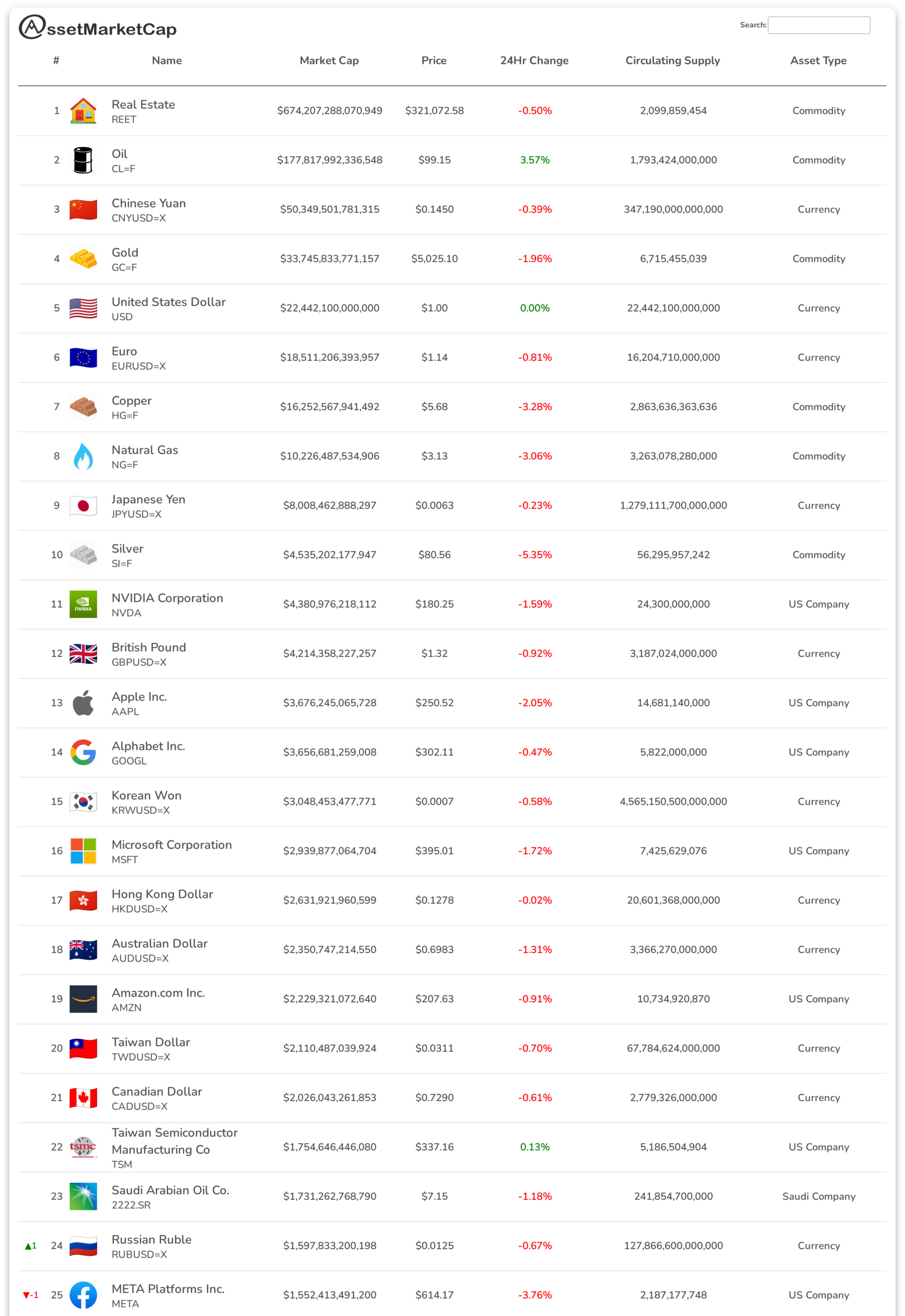
In the wake of the conflict, global oil prices saw an immediate spike, reflecting market fears of supply shortages. Crude oil prices breached the $100 per barrel mark, a psychological threshold that often triggers panic buying and increased volatility.
* **Brent Crude**: Following the initial strikes, Brent crude prices surged by over 8%, signaling investor anxiety.
* **WTI Crude**: West Texas Intermediate (WTI) also experienced significant increases, with prices reaching levels not seen in several years.
### Economic Implications: Can the Global Economy Absorb the Shock?
While the immediate impact on energy prices has been pronounced, the broader question remains: Can the global economy absorb this shock? Analysts suggest that while a temporary rise in energy prices can be tolerated, prolonged disruptions could lead to significant economic consequences, potentially stifling growth in key markets.
#### Factors to Consider
– **Inflation**: Higher energy prices often lead to increased costs for goods and services, contributing to inflationary pressures.
– **Consumer Spending**: As energy costs rise, consumers may have less disposable income, which can affect overall economic growth.
– **Investment Sentiment**: Uncertainty in energy markets can lead to cautious investment strategies, impacting sectors reliant on stable energy prices.
### The Path Forward: Scenarios and Expectations
Given the high level of uncertainty surrounding the conflict, analysts are exploring various scenarios to anchor expectations about the future of energy markets.
#### Plausible Paths
1. **Short-Term Disruption**: If the conflict remains contained, energy prices may stabilize as producers adjust output and markets acclimatize to the new normal.
2. **Prolonged Conflict**: A drawn-out engagement could lead to sustained high prices, affecting global economic stability and potentially prompting central banks to adjust monetary policies in response.
3. **Geopolitical Resolutions**: Diplomatic efforts could lead to de-escalation, allowing for a gradual normalization of energy flows and stabilization of prices.
### Broader Implications for the Energy Sector
The events in Iran serve as a stark reminder of the vulnerabilities inherent in the global energy market. They highlight the need for diversification in energy sources and strategies to mitigate the risks associated with geopolitical turmoil.
#### The Shift Towards Renewable Energy
As nations grapple with the implications of relying heavily on fossil fuels from politically unstable regions, the transition towards renewable energy sources is gaining momentum. Governments worldwide are increasingly investing in solar, wind, and other renewable technologies to reduce dependence on oil and gas.
* **Increased Investment**: Countries like Germany and China are leading the way in renewable energy investments, seeking to create more resilient energy infrastructures.
* **Technological Advancements**: Innovations in battery storage and energy efficiency are making renewables more viable as primary energy sources.
### Conclusion: A Call for Vigilance
The conflict in Iran and its implications for the global energy market serve as a crucial reminder of the interconnectedness of geopolitics and economics. As the situation develops, stakeholders across the globe must remain vigilant, adapting strategies to navigate the complexities of energy supply and demand.
In times of crisis, the willingness to embrace change and invest in alternative strategies will be paramount. Whether through increased energy diversification or deeper commitments to renewable sources, the path forward must be defined not only by the immediate challenges but also by the lessons learned from the past.
As the world watches closely, the future of energy markets hinges on the interplay of geopolitical dynamics and economic realities. How nations respond to this crisis will shape the energy landscape for years to come, underscoring the ongoing importance of strategic foresight in a rapidly changing world.




Leave a Reply