

The world of finance is witnessing an unprecedented convergence of traditional commodities and cryptocurrency, particularly in the realm of oil trading. As geopolitical tensions escalate in regions like Iran, traders are seeking new avenues to speculate on oil prices, and one platform has emerged as a leader in this space: Hyperliquid. Launched in 2023, this decentralized exchange has transformed the way traders engage with oil contracts, allowing for around-the-clock trading that reflects real-time global events.
### The Rise of Hyperliquid
Hyperliquid is capturing attention not just for its innovative technology but also for its impressive trading volume. Recently, the platform recorded nearly $1.7 billion in daily trading volume for a popular oil contract—an increase of nearly 250 times compared to pre-conflict levels. This surge indicates a substantial shift in trading behavior, fueled by the desire for continuous access to financial markets during times of crisis.
So, what exactly is Hyperliquid? Founded by Jeff Yan, a former crypto trader with a background from Harvard, the platform is designed to optimize trading for cryptocurrencies and derivatives, particularly perpetual futures. These “perps” allow traders to speculate on asset prices without needing to own the underlying assets, adding a layer of flexibility and strategy to trading.
### 24/7 Trading: The New Normal
The allure of 24/7 trading cannot be overstated, especially in a world where geopolitical events can significantly impact market conditions at any hour. Mary-Catherine Lader, founder and CEO of Native Markets, emphasizes the growing demand for markets that operate continuously. “Global events are creating demand for 24/7 markets,” she explains. “There’s been plenty of enthusiasm about blockchain enabling 24/7 markets for years, but now there’s real market demand.”
The traditional financial markets, such as the New York Stock Exchange and the Chicago Mercantile Exchange, operate within set hours, leaving significant gaps during which traders cannot react to evolving conditions. Hyperliquid fills this void, allowing global traders to engage with oil contracts and other assets at any time. This is particularly advantageous for retail traders outside the U.S., who may struggle to access U.S.-based exchanges.
### How Hyperliquid Works
Hyperliquid’s technology enables users to trade a variety of assets, including cryptocurrencies and derivatives tied to real-world commodities like oil. The platform allows any developer to launch an asset, leading to a diverse range of oil contracts pegged to indices such as Brent and West Texas Intermediate (WTI) crude. This flexibility is a significant draw for traders looking to capitalize on market fluctuations.
For instance, one of the most popular contracts on Hyperliquid, launched by trade.xyz, has recently seen daily trading volumes exceeding $1 billion. These contracts track the price of a barrel of WTI crude, providing traders with a highly liquid avenue to speculate on oil prices. However, it’s worth noting that the pricing of these contracts while traditional markets are closed relies heavily on the contract designers, introducing a layer of complexity to trading on the platform.
### The Impact of Geopolitical Events
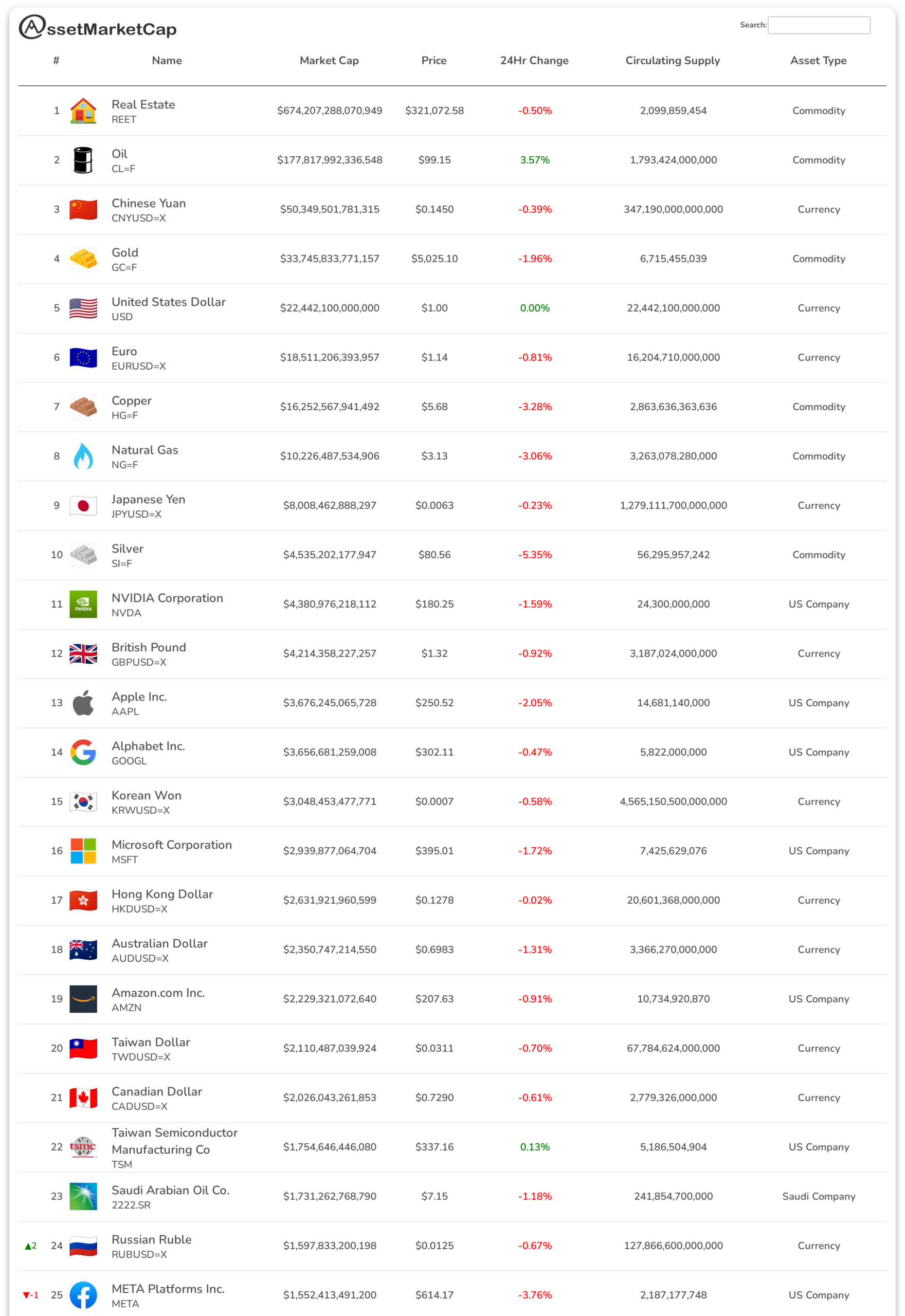
The current geopolitical landscape is ripe for volatility, particularly with the ongoing tensions in the Middle East. The conflict in Iran has triggered fears of supply disruptions, driving oil prices upward and prompting traders to seek out platforms like Hyperliquid for quicker and more flexible trading options.
In many ways, the events unfolding in Iran serve as a case study for how geopolitical conflicts can impact commodity markets. With traditional exchanges closed during weekends or holidays, Hyperliquid allows traders to react immediately to news, whether it’s a military action, sanctions, or shifts in OPEC policy. This responsiveness can mean the difference between profit and loss in a volatile market.
### Balancing Perspectives: Opportunities vs. Risks
While Hyperliquid offers significant advantages, it’s essential to approach this new trading frontier with caution. The platform’s decentralized nature means that it operates without the same regulatory oversight as traditional exchanges, raising concerns about market manipulation, liquidity, and the security of funds. Traders must navigate these risks while also being aware of the inherent volatility of both cryptocurrency and oil markets.
Moreover, the rapid rise of platforms like Hyperliquid may mark a shift in how traditional commodities are traded. As more traders flock to decentralized exchanges, traditional market players may feel pressure to adapt. The rise of cryptocurrency derivatives linked to real-world assets could challenge established financial institutions, forcing them to innovate or lose market share.
### Real-World Implications for Investors
For investors, the emergence of platforms like Hyperliquid represents both opportunity and challenge. On one hand, the ability to trade oil contracts 24/7 opens up new avenues for profit, particularly during periods of heightened volatility. On the other hand, the fragmented nature of decentralized exchanges may complicate price discovery and risk management.
Investors should also consider the broader implications of this shift. The increased accessibility of trading through platforms like Hyperliquid may democratize investment opportunities, allowing a wider audience to participate in markets traditionally dominated by institutional players. However, this democratization must be balanced with education and awareness of the risks involved.
### Conclusion: The Future of Trading in a Digital Age
Hyperliquid’s rise amidst geopolitical turmoil underscores a critical evolution in the trading landscape. As oil prices fluctuate and markets respond to global events, the demand for 24/7 access to trading platforms will likely continue to grow. The intersection of cryptocurrency and traditional commodities is just beginning, and platforms that embrace this convergence could redefine how markets operate.
As we move forward, traders and investors alike must remain vigilant, adapting to the dynamic nature of financial markets while leveraging the advantages offered by innovative platforms. Whether it’s through Hyperliquid or other emerging technologies, the future of trading promises to be as exciting as it is unpredictable.
Source: https://fortune.com/2026/03/14/hyperliquid-iran-oil-trade-weekend-markets-24-7/




Leave a Reply