

**TITLE:** Oil Prices Surge Amid Middle East Tensions: Is the Market Underestimating Risks?
**SUMMARY:** The ongoing conflict in the Middle East presents a significant challenge to the global economy and financial markets, evidenced by a recent spike in oil prices. Historical context reveals how geopolitical events have shaped market reactions, but current indicators suggest a cautious response from investors. This article explores the implications of rising oil prices, the market’s muted reaction, and what it means for various industries and economies worldwide.
## Introduction: A New Era of Economic Uncertainty
In recent weeks, the resurgence of conflict in the Middle East has stirred global markets, particularly in the commodities sector. The sudden spike in oil prices serves as a stark reminder of how geopolitical tensions can disrupt economic stability. As oil is a fundamental driver of economic activity, the implications of rising prices extend far beyond the energy sector, influencing everything from consumer spending to inflation rates.
This article delves into the historical context of oil price fluctuations, analyzes current market reactions, and discusses the broader implications for various industries and economies. By examining past events such as the 1974 oil embargo and the 1990 Gulf War, we can draw parallels to today’s situation and assess whether the current market response adequately reflects the risks at play.
## Historical Context: Lessons from the Past
Understanding the current landscape requires a look back at historical events that have significantly impacted oil prices and, consequently, the global economy.
### The 1974 Oil Embargo
The 1974 oil embargo, initiated by Arab oil-producing nations in response to U.S. support for Israel during the Yom Kippur War, led to a dramatic increase in oil prices. The embargo resulted in a quadrupling of prices from around $3 per barrel to nearly $12. The economic fallout was profound, contributing to stagflation in the U.S. economy—a period characterized by high inflation and stagnant growth.
### The 1986 Oil Collapse
Fast forward to 1986, when oil prices collapsed due to several factors, including increased production from non-OPEC countries and a shift in energy policies. The price of crude plummeted from over $30 a barrel to less than $10, causing significant financial distress for oil-dependent economies and companies.
### The 1990 Gulf War
The Gulf War in 1990 once again disrupted oil supplies, resulting in an immediate spike in prices. Crude oil surged from approximately $15 to nearly $40 per barrel, with markets responding nervously to the potential for prolonged conflict in the region.
### The COVID-19 Demand Collapse
More recently, the COVID-19 pandemic led to an unprecedented collapse in demand for oil, with prices even briefly turning negative in April 2020. As economies began to reopen, prices rebounded, but the volatility highlighted how sensitive the oil market is to both geopolitical and economic shifts.
## Current Market Dynamics: Rising Oil Prices and Market Reaction
As tensions escalate in the Middle East, oil prices have surged again, with benchmarks like Brent crude reaching levels not seen in years. However, the broader market reaction has been surprisingly muted.
### Analyzing the Oil Price Surge
– **Price Movement:** Recent increases in oil prices have seen Brent crude exceed $90 per barrel, a stark contrast to the relatively stable prices observed in the preceding months.
– **Market Sentiment:** Despite this spike, major stock indices have not reflected a similar level of alarm. The U.S. Russell 1000 index, for instance, quickly dropped back below pre-crisis levels, indicating a cautious stance among investors.
– **Sector Performance:** Interestingly, there is a notable divergence in sector performance. The defensive Consumer Staples sector, which typically withstands economic downturns better, has underperformed compared to the more cyclical Consumer Discretionary sector, suggesting that investors may be reassessing their risk appetites.
### The Lack of Cyclical Patterns
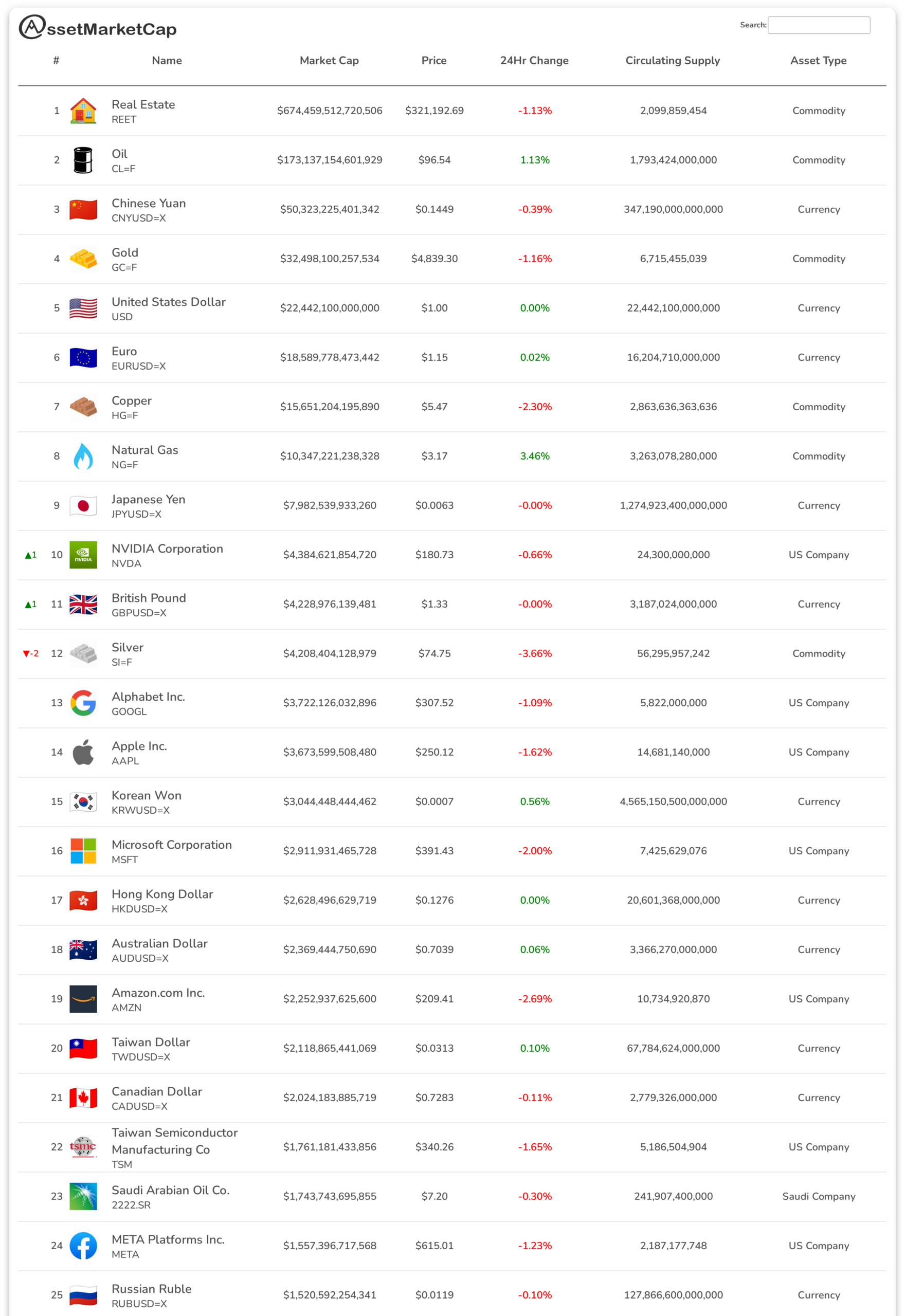
One of the more perplexing aspects of the current market is the absence of typical cyclical patterns observed in previous crises. In past instances, rising oil prices have led to widespread concerns about inflation and economic slowdown, prompting swift reactions across various sectors. Today, however, the lack of a cohesive pattern raises questions about whether market participants are adequately pricing in the risks associated with rising oil prices.
## Implications for Industries and Economies
The recent surge in oil prices and the market’s tepid response carry significant implications for a variety of industries and economies, both domestically and internationally.
### Energy Sector
– **Beneficiaries:** Companies in the energy sector, particularly those engaged in oil exploration and production, are likely to benefit from higher prices. Increased revenues can lead to higher profit margins and potentially higher stock prices in this sector.
– **Challenges:** Conversely, rising prices can lead to operational challenges for companies that rely heavily on oil as a primary input. Increased transportation and logistics costs can erode profit margins for businesses across various industries.
### Consumer Impact
– **Inflationary Pressures:** Higher oil prices often translate to increased costs for consumers, as transportation and heating costs rise. This can contribute to broader inflationary pressures, which central banks may need to address through monetary policy adjustments.
– **Consumer Behavior:** With rising costs, consumers may alter their spending habits, prioritizing essential goods and services over discretionary spending. This shift could impact retail and hospitality industries particularly hard.
### Global Economy
– **Emerging Markets:** Countries that are heavily dependent on oil imports may face significant economic challenges as their trade balances weaken. Conversely, oil-exporting nations may experience windfalls, leading to increased investment in domestic projects.
– **Geopolitical Stability:** The geopolitical landscape remains precarious. Prolonged conflict in the Middle East could exacerbate oil supply disruptions, leading to further price increases and economic instability.
## A Balanced Perspective: Risk and Resilience
While current market reactions may suggest a level of complacency, it’s essential to consider the broader context and potential risks.
### The Case for Caution
– **Geopolitical Risks:** The ongoing conflict in the Middle East is just one of many geopolitical risks that could impact oil prices. Other regions, such as Eastern Europe and the South China Sea, present their own challenges that could ripple through global markets.
– **Economic Indicators:** Investors should remain vigilant, monitoring key economic indicators such as inflation rates, employment figures, and consumer confidence. These indicators will provide insight into how rising oil prices may impact the economy moving forward.
### The Case for Optimism
– **Market Adaptability:** Historically, markets have shown resilience in the face of geopolitical challenges. Companies often adapt to changing conditions, finding innovative ways to mitigate rising costs and maintain profitability.
– **Transition to Renewables:** The global shift towards renewable energy sources may also provide a cushion against future oil price shocks, as economies increasingly diversify their energy portfolios.
## Conclusion: Navigating Uncertainty in a Volatile Landscape
The current surge in oil prices amid escalating tensions in the Middle East serves as a critical reminder of the interconnectedness of global markets. While historical patterns suggest that rising oil prices can lead to economic distress, the muted market reaction may indicate a cautious optimism among investors.
As we navigate this uncertain landscape, it is vital for stakeholders—ranging from policymakers to corporate leaders—to remain aware of the potential risks and opportunities that lie ahead. By learning from the past and adapting to the present, we can better position ourselves for the challenges and changes that the future may hold. As always, vigilance and informed decision-making will be key in a world where geopolitical events can swiftly alter the economic landscape.




Leave a Reply