
The commodities market is undergoing a notable downturn, with both precious and industrial metals facing significant sell-offs. Investors are reacting to a combination of geopolitical tensions and economic signals that suggest a potentially turbulent economic landscape. This article will delve into the recent fluctuations in metal prices, the underlying factors driving these changes, and the broader implications for the market and the economy.
### The Current Landscape of Metal Prices
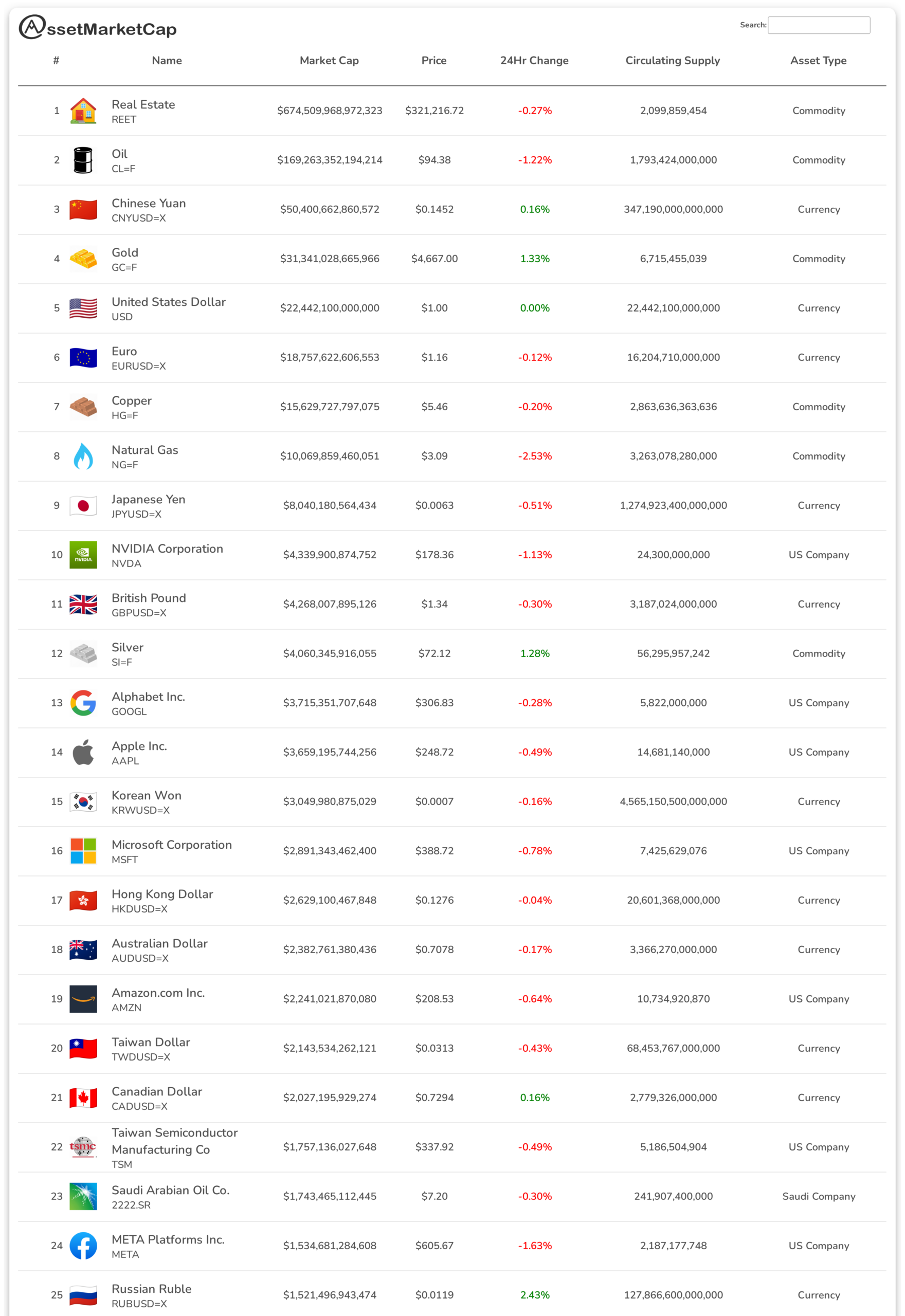
On a particularly tumultuous Thursday, the prices of metals fell sharply, spurred by rising oil prices linked to the ongoing conflict between the U.S. and Iran. Gold, often considered a safe haven during times of uncertainty, dropped nearly 6%, while silver experienced an 8% decline. Industrial metals were not spared, with copper and palladium seeing reductions of 2% and 5.5%, respectively.
This broad sell-off indicates a significant shift in market sentiment, as investors grapple with the implications of rising oil prices and the potential for an economic slowdown. The sell-off in gold and silver, despite their traditional roles as safe-haven assets, has raised eyebrows within the investment community.
### The Factors Behind the Decline
The rapid increase in oil prices has instigated concerns about inflation, which could lead to prolonged higher interest rates. Investors are worried that these rising rates will diminish the appeal of bullion, which does not generate yield. As rates increase, the opportunity cost of holding non-yielding assets like gold and silver becomes higher, leading to a decline in demand.
Peter Boockvar, Chief Investment Officer at One Point BFG Wealth Partners, pointed out that the threat of inflation could undermine the anticipated rate cuts by the Federal Reserve. As real interest rates rise, the pressure on gold prices has intensified. On Thursday, the yield on the U.S. 10-year Treasury bond reached over 4.3%, a level that historically signals increased borrowing costs and decreased investment in gold.
### Industrial Metals: A Sign of Economic Health
Industrial metals like copper are critical indicators of economic activity. Used in various applications from electronics to construction, a decline in copper prices often signals waning economic growth. The recent downturn in copper prices has led Wall Street to adopt a cautious stance, with many analysts suggesting that the longer the conflict in the Middle East persists, the more likely it is that elevated oil prices will alter consumer and business spending habits, potentially pushing the economy towards a recession.
As Boockvar noted, there is a growing apprehension regarding recession risks associated with this energy shock. This fear has prompted discussions around “demand destruction,” where high energy prices discourage consumption and investment, leading to slower economic growth.
### The Stagflation Debate
The potential for stagflation—a combination of stagnant economic growth and high inflation—has become a central concern among investors. While the current economic landscape seems ripe for stagflationary pressures, some analysts argue that the historical context does not support the likelihood of such an event.
Ed Yardeni, president of Yardeni Research, stated in a recent report that oil shocks are less likely to trigger sustained stagflation like that experienced in the 1970s. He referenced the 2022 invasion of Ukraine, which indeed caused an oil shock and increased inflation but did not lead to a recession. This perspective is echoed by Federal Reserve Chair Jay Powell, who has cautioned against labeling the current situation as stagflation, suggesting that the economic conditions are not severe enough to warrant such a term.
### The Future of Gold: A Recovery on the Horizon?
While the current outlook for gold is uncertain, some experts believe that the precious metal could rebound as attention shifts back to rising global debts and deficits. Historically, gold has performed well in environments characterized by currency debasement and fiscal instability. With military spending likely to increase due to ongoing geopolitical tensions, deficits may worsen, potentially creating a favorable environment for gold.
Christian Mueller-Glissmann, head of asset allocation research at Goldman Sachs, noted that in the event of continued stagflation, especially if real yields decline, gold could see increased demand as investors seek real assets and foreign exchange diversification. This suggests that while the current market conditions may be challenging, there may still be upside potential for gold in the long run.
### Broader Implications for Investors
The current sell-off in commodities highlights the delicate balance between economic growth, inflation, and investor sentiment. As geopolitical tensions continue to evolve and economic indicators fluctuate, investors must remain vigilant and adaptable.
For many, the current environment serves as a reminder of the importance of diversification in investment portfolios. With volatility prevalent in both commodities and equity markets, having a mix of asset classes can help mitigate risks associated with sudden market shifts.
Moreover, understanding the historical context and economic fundamentals behind current market conditions can provide valuable insights for making informed investment decisions. While the immediate outlook may be daunting, history has shown that markets are cyclical, and opportunities can arise even in challenging times.
### Conclusion
The recent sell-off in gold and industrial metals reflects a complex interplay of geopolitical tensions, inflation fears, and shifting economic expectations. As investors navigate this turbulent landscape, the implications for both the commodities market and the broader economy are profound. While concerns about stagflation and recession loom large, there are also opportunities for strategic investment, particularly in gold and silver, as the focus shifts back to fiscal realities.
As markets continue to react to unfolding events, maintaining a balanced perspective and a long-term view will be crucial for investors looking to build and preserve wealth in an increasingly unpredictable environment.


Leave a Reply