

The cryptocurrency market is no stranger to volatility, but recent geopolitical events have intensified the fluctuations, particularly for Bitcoin (BTC) and Ethereum (ETH). This week’s developments in the Middle East, coupled with monetary policy decisions, have created a perfect storm for crypto traders and investors. As tensions escalate, Bitcoin has experienced a notable downturn, slipping below $67,000. This article will explore the latest market movements, the surrounding context, and what it means for the future of cryptocurrencies.
### The State of Bitcoin: A Rollercoaster Week
Last Wednesday, Bitcoin soared to a high of $76,000, marking an impressive $13,000 increase in just a few days. This surge followed the initial shock of military actions in the Middle East, where confrontations between Iran and Israel, with U.S. involvement looming, created a risk-on environment for many investors. Cryptocurrencies often thrive in times of uncertainty, drawing in participants looking for alternative assets.
However, the subsequent days told a different story. Bitcoin’s momentum faltered as the U.S. Federal Reserve opted to maintain interest rates, choosing stability over intervention. This decision, while intended to solidify economic ground, sent Bitcoin tumbling to below $70,000. Over the weekend, it maintained some resilience around that mark, but by Monday morning, it had dipped to $69,000, reflecting the broader market’s reaction to ongoing geopolitical tensions.
### Market Reactions to Geopolitical Developments
The dynamics shifted again following remarks from former U.S. President Donald Trump, who claimed that significant progress was being made in negotiations between the U.S. and Iran. This news briefly boosted Bitcoin’s price to just under $72,000. However, the excitement was short-lived. Within hours, the Iranian government denied Trump’s assertion, leading to a swift retracement. Despite this, credible reports surfaced confirming some level of dialogue between the two nations, allowing Bitcoin to inch back up to $72,000 on Wednesday.
Yet, the optimism was fleeting. Bitcoin faced another rejection at this level, and the ongoing geopolitical instability continued to weigh heavily on investor sentiment. As of the latest reports, Bitcoin has fallen to a three-week low of just above $66,000, reflecting a significant decline of approximately 6% since last Friday. This downturn is indicative of the precarious nature of the current market, where external factors can dramatically sway prices.
### Impact of Broader Economic Factors
Bitcoin’s recent plunge below $67,000 coincides with the U.S. government reportedly preparing to deploy additional troops to the Middle East. Such military maneuvers often exacerbate market anxieties, triggering sell-offs in risk assets, including cryptocurrencies. Investors are wary of potential escalations that could lead to wider conflict, and this fear is clearly reflected in Bitcoin’s declining price.
Moreover, another concerning factor contributing to Bitcoin’s volatility is the ongoing activity from the Royal Government of Bhutan, which has been transferring BTC, likely signaling a decision to liquidate some of its holdings. These movements can create additional selling pressure in the market, highlighting how institutional players can influence price dynamics.
### Ethereum and the Broader Crypto Market
Ethereum has not escaped the turbulence. This week, ETH dipped below the psychological $2,000 mark, reflecting a decline of approximately 7%. Other cryptocurrencies such as XRP and SOL also felt the heat, with significant declines. Market sentiment has been largely bearish, with many traders opting to take profits or hedge against further downturns.
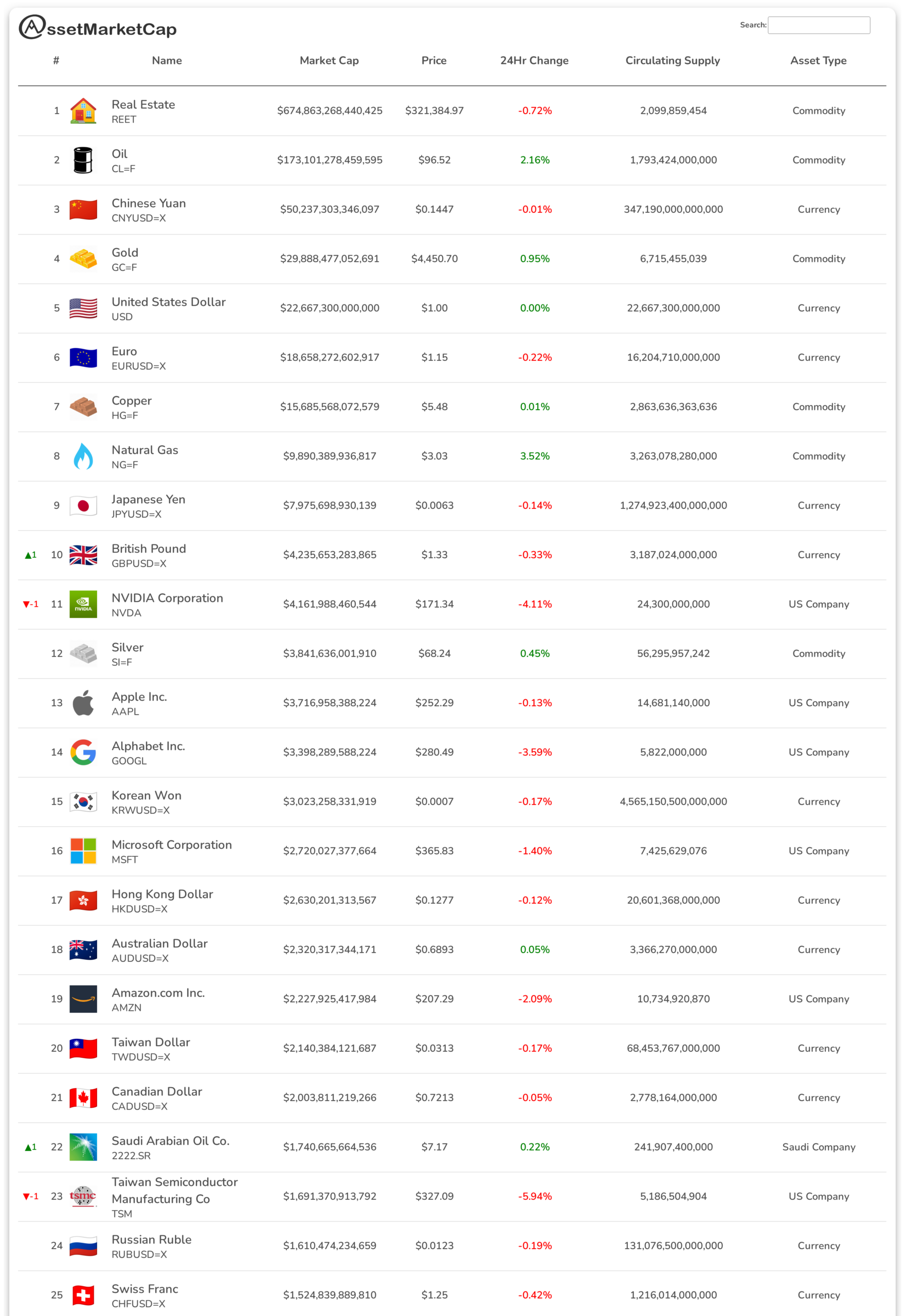
Despite these setbacks, there are exceptions in the market. Cryptocurrencies like TAO and WLFI have experienced gains of 15% and 7.5% respectively, demonstrating that while some assets struggle, others are defying broader trends. This divergence speaks to the selective nature of market investments, where specific projects may be viewed as more resilient or promising amid the chaos.
### Key Market Indicators
As of the latest data, the overall cryptocurrency market cap stands at approximately $2.36 trillion, with Bitcoin’s dominance resting at 56%. Trading volume over the past 24 hours has been recorded at $112 billion, underscoring the active participation of investors even amidst the downturn.
– **Current Prices**:
– Bitcoin (BTC): $66,400 (-5.4%)
– Ethereum (ETH): $1,975 (-7%)
– XRP: $1.33 (-7.8%)
### Notable Developments in the Crypto Space
Even as Bitcoin struggles, significant developments continue to emerge in the crypto landscape that may have longer-term implications:
1. **Crypto-Backed Mortgages**: One of the most notable stories this week is the announcement from Better Home & Finance, a major player in U.S. mortgages. They are collaborating with Coinbase to offer homebuyers the opportunity to pledge Bitcoin and USDC as collateral for mortgages backed by Fannie Mae. This innovation could pave the way for more mainstream adoption of cryptocurrency in traditional finance.
2. **Investment in Prediction Markets**: In a sign of growing institutional interest, the parent company of the New York Stock Exchange has invested an additional $600 million in Polymarket, a prediction market platform. This brings its total investment in the space to $2 billion, highlighting the potential for prediction markets to intersect with blockchain technology.
3. **Market Predictions**: Analyst Ted Pillows has recently suggested that Bitcoin could still have room to fall, potentially bottoming out around $46,000 as the “electric cost” of mining decreases. Such predictions keep traders on edge, as they weigh the potential for further declines against the historical resilience of Bitcoin.
4. **Gold’s Struggles**: Interestingly, while Bitcoin has faced downward pressure, traditional safe havens like gold have also faltered. This week, gold prices have dropped significantly, indicating that even traditional assets are not immune to the current geopolitical and economic climate.
5. **Balancer Labs Restructures**: The decentralized finance (DeFi) protocol Balancer is scaling down operations following a hack endured a few years ago. This move highlights ongoing challenges within the DeFi space, where security and sustainability remain paramount concerns for investors.
6. **Michael Saylor’s Accumulation Strategy**: MicroStrategy’s Michael Saylor continues to accumulate Bitcoin, purchasing over 1,000 BTC this week. His strategy demonstrates a bullish long-term outlook, even as the market experiences short-term fluctuations.
### Conclusion: Navigating the Storm
As we wrap up this week’s recap, it’s evident that the crypto market is experiencing significant turbulence amid geopolitical unrest and economic uncertainties. Bitcoin’s fall below $67,000 is indicative of the broader market’s susceptibility to external shocks, and investors should remain vigilant.
The volatility we are witnessing underscores the importance of careful analysis and strategic planning for those invested in cryptocurrencies. While some assets are suffering, others show resilience, suggesting that opportunities still exist within this rapidly evolving market. As the situation in the Middle East develops and economic factors continue to shift, market participants will need to stay informed and adaptable to navigate the complexities of today’s financial landscape.




Leave a Reply