

The commodities market has experienced a significant resurgence since the beginning of 2024, marking a notable recovery from a period of stagnation that lasted from early 2022 until the end of 2023. The S&P GSCI index, which tracks 24 major raw materials, has increased by a staggering 29% as of early 2026, primarily driven by soaring energy prices. However, this bullish trend has not extended to the metals sector, causing a perplexing divergence in market performance. This article delves into the factors influencing these trends and their broader implications for investors and the economy.
## The Rise of Commodities: Energy’s Dominance
### Energy Prices on the Rise
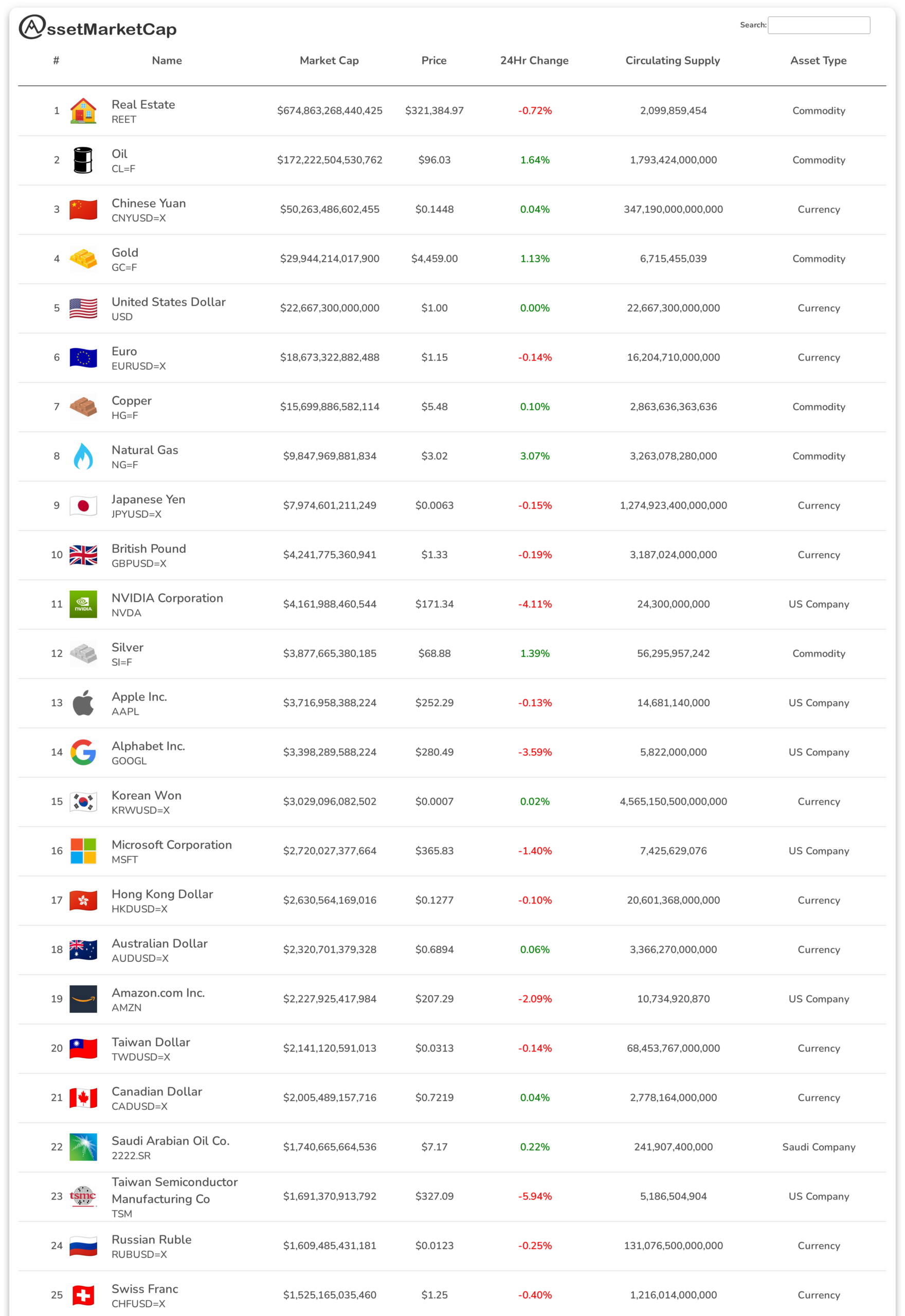
At the heart of the commodities surge is the energy sector, which constitutes over half of the S&P GSCI index’s composition. The escalating prices of oil and gas have not only revitalized the commodities market but have also begun to affect other sectors, particularly agriculture. For instance, U.S. wheat futures have experienced a 15% increase, attributed to the rising costs of energy impacting farming inputs.
The Middle East plays a crucial role in this energy narrative. According to The Economist, this region is not just a hub for hydrocarbons; it also supplies a substantial portion of the world’s agricultural inputs. Notably, it contributes:
– **22%** of the world’s traded urea (a vital fertilizer).
– **33%** of global helium.
– **45%** of sulfur, an important nutrient for plant growth.
### Impending Supply Challenges
As spring planting approaches in the Northern Hemisphere, the ongoing squeeze on fertilizer supplies poses a significant risk to global harvests. The potential for a prolonged supply shortage, particularly in fertilizers, could have catastrophic consequences for food production later in the year. This scenario highlights the interconnectedness of energy prices and agricultural outputs, underscoring the critical role that commodities play in the broader economic landscape.
## Industrial Metals: A Different Story
### Stagnation in the Metals Sector
While overall commodity prices have surged, the industrial metals sector has not shared in the same fate. The S&P GSCI Industrial Metals index has remained relatively flat since the start of the year. Although aluminum prices have seen an 8% increase, driven in part by the Middle East’s production influence, other metals like nickel have shown little movement, and copper prices have actually decreased by 4%.
The sluggish demand for industrial metals raises concerns, particularly against the backdrop of a potential global stagflation scenario—a combination of stagnant economic growth and rising inflation. This condition does not bode well for the industrial demand that typically underpins metals markets.
### Current Trends in Copper
Copper entered 2024 with significant bullish sentiment, driven by predictions of soaring demand for electricity and potential supply shortages. However, current supply levels contradict these predictions. For example, the Chicago Mercantile Exchange’s warehouse stocks of copper have surged from 85,000 tons at the start of 2025 to 536,000 tons today. This dramatic increase is largely attributed to U.S. stockpiling efforts aimed at circumventing import tariffs.
The gap between the speculators’ optimistic expectations for copper and the current reality of an adequately supplied market is widening. Analysts caution that while the long-term demand story for copper may still hold true, the effects of historical underinvestment in mining infrastructure may soon come to roost.
### Impact of Underinvestment
Between 2015 and 2022, a period of weak prices prompted major mining companies to drastically cut their expenditures on new mines—by at least a third. This trend focused major players on returning capital to shareholders rather than investing in future capacity. While investment levels have begun to rise again in 2023, the long lead times associated with developing new mining projects mean that the consequences of past underinvestment will soon be felt.
## The Allure of Real Assets
### Diversification and Inflation Hedge
In an era of heightened uncertainty marked by inflationary pressures and currency fluctuations, real assets like commodities provide an attractive hedge for investors. As the dollar appears overvalued, the appeal of diversifying into tangible assets grows. This is especially pertinent in a market increasingly dominated by AI-driven concentration risks, where investors seek avenues beyond traditional equities and fixed income.
Evy Hambro of BlackRock notes, “Commodities tend to go through cycles. We appear to be in the foothills of the next cycle.” This statement underscores the cyclical nature of commodities and the potential for sustained growth as demand patterns shift in response to global economic changes.
## The Diminishing Shine of Gold
### Gold’s Recent Decline
Despite the broader commodity rally, gold has experienced a notable decline, falling 16% in dollar terms since the onset of hostilities in Ukraine on February 28. Traditionally viewed as a safe haven during times of war and economic instability, gold’s lackluster performance raises questions about its appeal in the current market.
### Factors Influencing Gold Prices
Several factors contribute to gold’s recent downturn:
1. **Overextended Rally**: Prior to the conflict, gold had already reached an all-time high in late January, climbing 174% over the previous two years. This dramatic rise left the yellow metal vulnerable to corrections.
2. **Real Interest Rates**: Gold’s value is closely correlated with real interest rates—interest rates adjusted for inflation. As inflation rises, so too do interest rates, reducing gold’s attractiveness relative to interest-bearing assets like government bonds.
Given these dynamics, many investors looking to gold for protection against inflation and geopolitical turmoil have found themselves disappointed.
## Conclusion: A Complex Landscape
The current commodities landscape presents a complex picture. While energy prices drive a significant recovery in the broader commodities market, industrial metals struggle to gain traction, and gold loses its luster. These trends underscore the intricate interdependencies between various market sectors and the economic forces at play.
Investors must navigate this evolving landscape with caution, balancing the attractive prospects of commodities against the challenges faced by metals and the precious metal market. As global economic conditions continue to shift, the outlook for commodities remains uncertain yet promising, highlighting the importance of strategic investment decisions in a rapidly changing world.
Source: https://moneyweek.com/investments/commodities/commodities-price-rises-metals-lose-out


Leave a Reply