

# The Rise of the Petroyuan: How Geopolitics Could Shift Global Oil Trade
**SUMMARY:** The dominance of the U.S. dollar in global oil trade is facing challenges amid evolving geopolitical tensions, particularly with Iran. As analysts note, the petrodollar’s future may hinge on the rise of the ‘petroyuan’—China’s currency—potentially reshaping global finance and energy markets.
## The Petrodollar’s Legacy: A Brief History
The U.S. dollar has long reigned as the dominant currency in international trade, particularly in the oil market. This supremacy can be traced back to a historic deal in 1974, when Saudi Arabia agreed to price its oil in dollars in exchange for U.S. security guarantees. This arrangement, famously known as the **petrodollar** system, not only solidified the dollar’s role as the world’s primary reserve currency but also created a symbiotic relationship between the U.S. economy and global oil markets.
### The Mechanics of the Petrodollar System
– **Oil Pricing**: The vast majority of oil transactions are conducted in dollars, which naturally incentivizes countries and companies engaged in the oil trade to hold dollar reserves.
– **Recycling Dollars**: As oil-exporting nations accumulate dollars from their sales, they often reinvest these funds into U.S. assets, including treasury bonds. This creates a cycle where the U.S. can finance its deficits at a lower cost due to consistent demand for its currency.
– **Global Dominance**: The dollar’s role in oil trade has reinforced its status in various other markets, as countries need dollars for transactions, leading to widespread dollarization of economies around the world.
## Current Geopolitical Tensions: Iran and Beyond
Fast forward to today, and the geopolitical landscape has shifted dramatically. The U.S. military and its allies have taken significant actions against Iranian capabilities, yet Iran remains a formidable player in the Middle East. The ongoing tensions, exacerbated by U.S. sanctions and military confrontations, raise questions about the future of the petrodollar system.
### The Iranian Factor
Deutsche Bank analysts recently highlighted how Iran’s military capabilities, particularly its missile and drone technology, pose a serious threat to the stability of oil shipping routes, especially through the **Strait of Hormuz**. This narrow passage is crucial for global oil shipments, and any disruption could lead to a significant spike in oil prices, affecting economies worldwide.
**Key implications include:**
– **Threatened Shipping Lanes**: Iran’s ability to potentially close the Strait of Hormuz raises concerns about guaranteed access to oil supplies for many nations, especially those in Asia.
– **Increased Costs**: If oil shipments are disrupted, countries may face higher costs for energy, which in turn could affect global economic stability.
### The Shift Towards the Petroyuan
As the U.S. security umbrella in the region appears to weaken, there is growing speculation that countries may begin to consider alternative currencies for oil transactions. Reports suggest that Iran may allow ships to pass through the Strait of Hormuz in exchange for payments in Chinese yuan, a move that could signal a significant shift away from the dollar.
**Factors contributing to the rise of the petroyuan:**
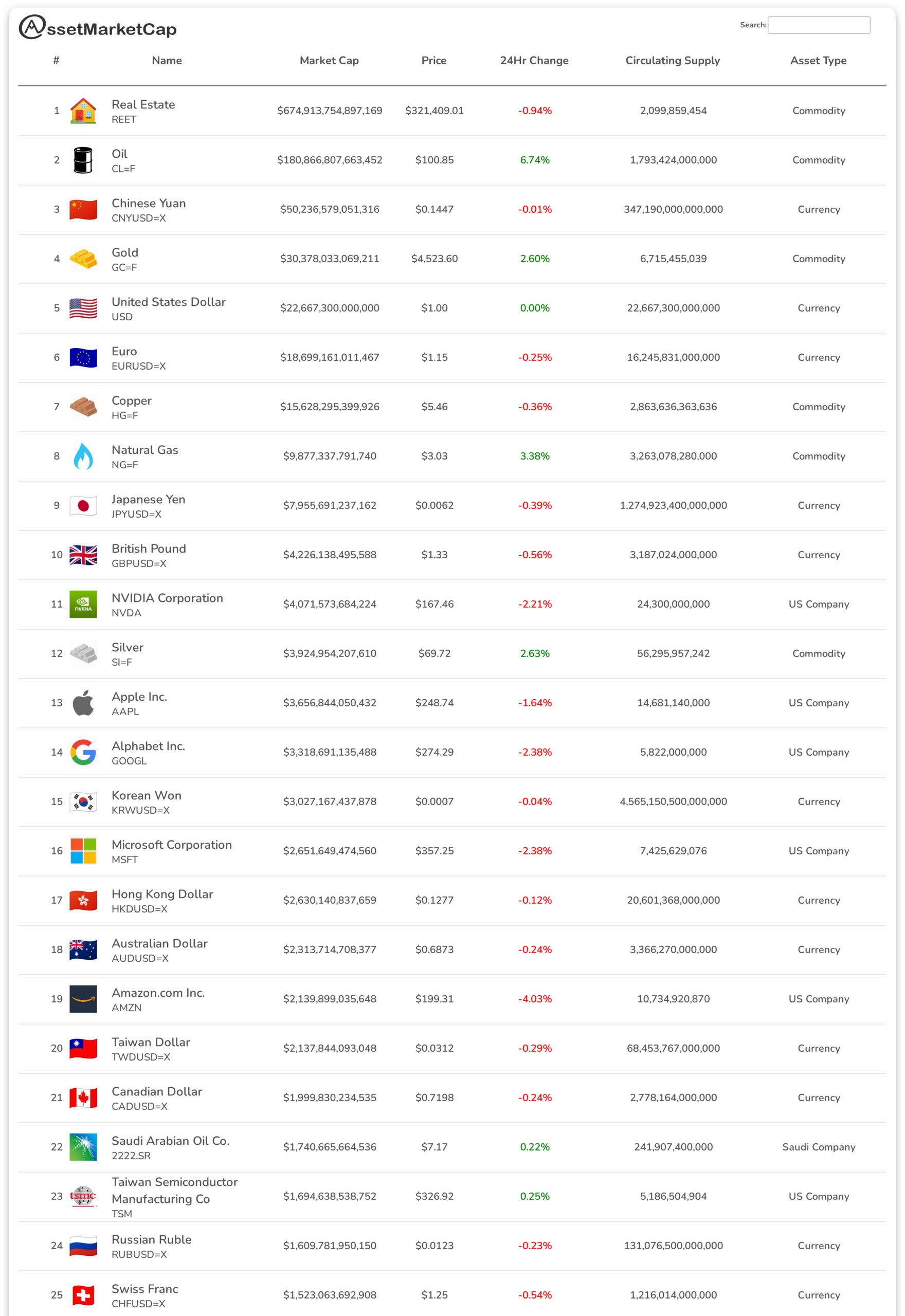
– **Growing Influence of China**: China’s increasing economic footprint in the Middle East positions the yuan as a viable alternative for oil transactions.
– **Digital Currency Initiatives**: Saudi Arabia’s involvement in projects like the **mBridge**, which aims to improve cross-border transactions using central bank digital currencies (CBDCs), further indicates a pivot away from traditional dollar-based systems.
## The Bigger Picture: Erosion of Dollar Dominance
The potential transition from a petrodollar to a petroyuan has broader implications for global finance. Analysts warn that if the dollar loses its status as the preeminent reserve currency, there could be far-reaching consequences.
### Economic Consequences of Dollar Erosion
– **Increased Borrowing Costs**: The U.S. government has enjoyed “exorbitant privilege” by being able to issue debt at favorable rates. A decline in dollar dominance might lead to higher borrowing costs, affecting government spending and economic growth.
– **Imbalances in Global Trade**: If other currencies start to gain traction in global trade, it could create imbalances, affecting trade dynamics and potentially leading to currency volatility.
### The Role of Energy Independence
Beyond currency shifts, a significant change in energy consumption patterns could also threaten the dollar’s dominance. As energy prices soar, nations are exploring alternatives to oil, which could reduce global reliance on the petrodollar.
**Trends in Energy Consumption:**
– **Diversification of Energy Sources**: Countries are investing in renewables, nuclear power, and coal as they seek to diversify energy sources and reduce dependency on oil.
– **Electric Vehicle Adoption**: The global push towards electric vehicles (EVs) could further diminish oil demand, leading to a reduced need for dollar-denominated transactions in the energy sector.
## Real-World Examples of Shifting Dynamics
Several recent developments illustrate the changing dynamics of the global oil market and the potential challenges facing the petrodollar system.
### Russia’s Oil Trade
Sanctions against Russia have led to a burgeoning trade in oil that bypasses the dollar. Countries like China and India have increasingly turned to the Russian oil market, often negotiating trades in their local currencies. This trend could further establish a precedent for other nations, particularly those seeking to distance themselves from U.S. financial systems.
### Saudi Arabia’s Strategic Moves
Saudi Arabia’s recent participation in initiatives such as the mBridge project indicates a willingness to explore alternatives to dollar-denominated oil sales. As the kingdom looks to modernize its economy beyond oil reliance, its financial strategies could have significant implications for the petrodollar system.
## Conclusion: The Future of the Petrodollar
The stability of the petrodollar system is under increasing scrutiny as geopolitical tensions escalate and economic landscapes evolve. While the dollar has remained strong against other currencies during the Iran conflict, the potential rise of the petroyuan and the diversification of energy sources pose significant threats to its long-held dominance.
In navigating this complex landscape, stakeholders—including governments, corporations, and investors—must stay vigilant. The implications of a shifting currency landscape extend beyond oil markets, potentially reshaping global finance and economic structures as we know them. As we move forward, the world watches closely—will the petrodollar endure, or will the petroyuan emerge as the new standard in global trade?




Leave a Reply