

In an era of economic unpredictability, the actions and statements of Federal Reserve officials carry significant weight. Recently, Federal Reserve Governor **Stephen Miran** has emerged as a vocal advocate for lowering interest rates, even in the face of rising energy costs. His recent comments on CNBC have rekindled discussions around monetary policy and its effects on the broader economy.
### Miran’s Case for Rate Cuts
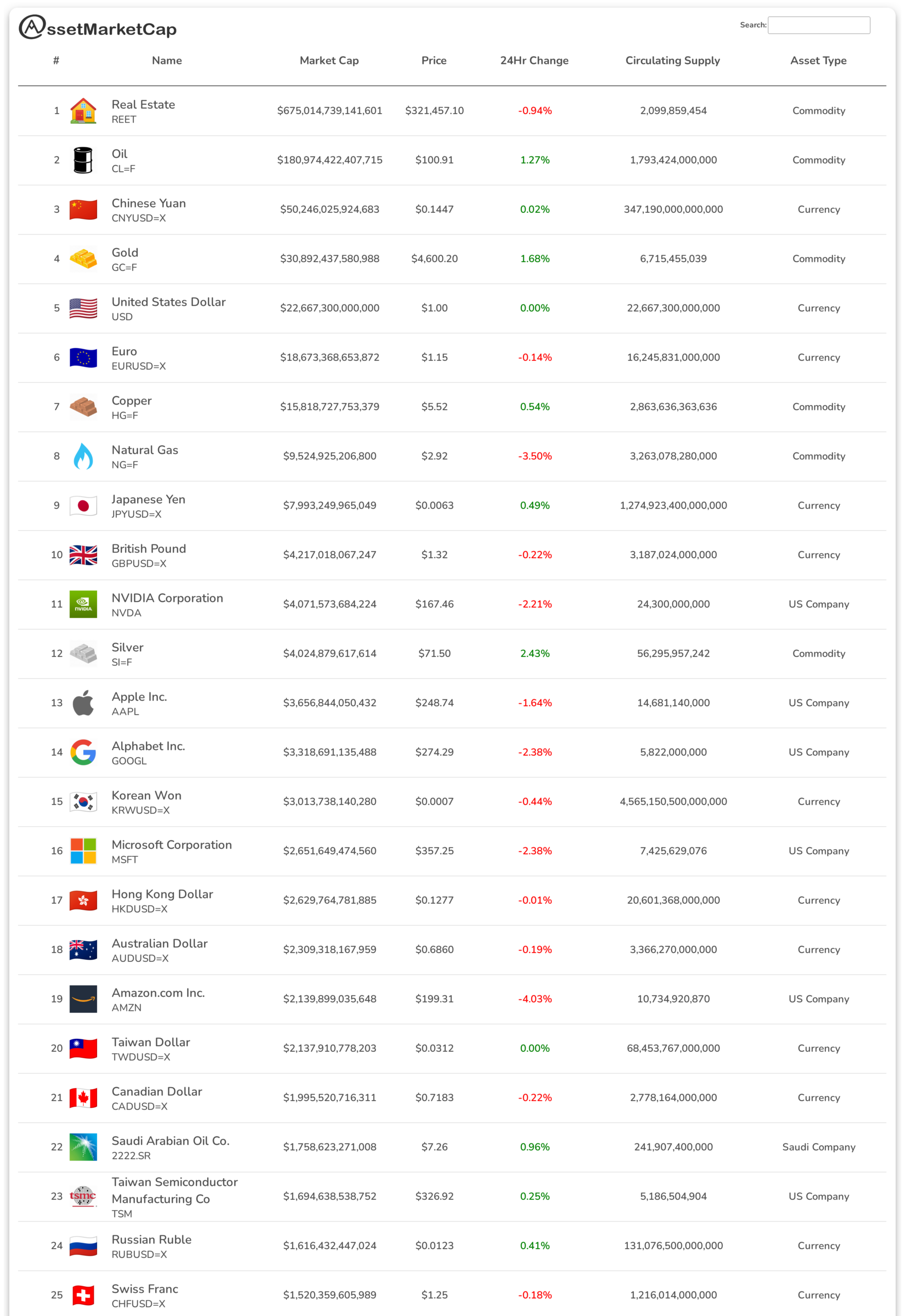
During his appearance on *Squawk on the Street*, Miran expressed confidence that the Fed could implement a reduction of interest rates by about **one percentage point** over the course of the year. This perspective is particularly notable in light of escalating energy prices, particularly oil, which recently surged above $100 per barrel. Miran stated, “we could be about a point easier, gradually done over the course of a year.”
His argument hinges on the notion that short-term price fluctuations in energy should not dictate monetary policy. Focusing on longer-term economic indicators, Miran believes that the current spike in energy prices does not warrant immediate action from the Federal Reserve, as he sees no evidence of a **wage-price spiral** or rising inflation expectations.
### Understanding Wage-Price Spirals
A *wage-price spiral* occurs when rising wages lead to increased consumer spending, which in turn drives up prices, creating a cycle of inflation. This phenomenon is often a significant concern for central banks, as it can lead to entrenched inflationary pressures that are difficult to control. Miran pointed out that without signs of this spiral emerging, there is no need for drastic monetary policy changes.
He emphasized, “If I saw a wage-price spiral, or I saw evidence that inflation expectations are starting to pick up, then I would get worried about it.” As of now, he remains unconvinced that immediate monetary intervention is necessary.
### The Impact of Energy Prices on Inflation
Miran’s comments come at a time when consumers are acutely aware of rising energy costs. The price of gasoline, for instance, has surged by more than **$1 per gallon**, impacting household budgets and overall consumer sentiment. However, Miran argues that market-based indicators show inflation expectations remain well anchored.
This perspective is crucial, as it suggests that while consumers may feel the pinch at the pump, these short-term price shocks do not necessarily reflect broader inflation trends. Recent data has shown that while energy prices fluctuate, other components of inflation, such as housing and services, have remained relatively stable.
### Lagging Effects of Monetary Policy
One of the key points Miran highlighted is the inherent lag in monetary policy. Changes in interest rates do not produce immediate effects on the economy; rather, they take time to permeate through various economic channels. This lag means that policymakers should be cautious about making hasty decisions based on transient market volatility.
Miran noted, “You can move the monetary policy rate all you want — today tomorrow — but it’s not going to affect inflation the next couple of months.” This statement underscores the importance of a measured approach to monetary policy, especially in the face of external shocks such as energy price spikes.
### Current Interest Rate Landscape
As it stands, the Federal Reserve’s target for the **federal funds rate** is between **3.5% and 3.75%**. Market participants are currently pricing in stability, with no expected moves in either direction before the year concludes. This situation reflects a wait-and-see approach by investors and analysts alike, as they assess the broader economic landscape and the potential ramifications of fluctuating energy prices.
Miran’s persistent calls for lower interest rates highlight a divergence in perspectives within the Federal Reserve. Since September 2025, he has dissented at every meeting he has attended, advocating for more accommodative monetary policy.
### The Future of the Federal Reserve and Potential Leadership Changes
Miran’s term as a Fed governor has technically expired; however, he continues to serve as the nomination of former Federal Reserve Governor **Kevin Warsh** remains stalled in the Senate Banking Committee. Should Warsh be confirmed, he is expected to take over the role of Chair from **Jerome Powell** when Powell’s term concludes in May.
This impending leadership change could have significant implications for the direction of U.S. monetary policy. Warsh has been known to advocate for a more hawkish stance compared to Miran’s current position, which adds another layer of complexity to the ongoing discussions surrounding interest rates.
### Implications for the Broader Economy
Miran’s advocacy for lower interest rates comes with broader implications for various sectors of the economy. Lower rates typically encourage consumer spending and business investment, which can drive economic growth. Conversely, maintaining higher rates could help curb inflation but might stifle economic momentum, particularly in sectors sensitive to borrowing costs, such as housing and manufacturing.
The tension between managing inflation and supporting economic growth is a balancing act that the Federal Reserve must navigate carefully. As Miran himself noted, the lack of evidence for a sustained inflationary environment suggests that there may be room for the Fed to support growth without jeopardizing its long-term inflation targets.
### Conclusion: A Cautious Approach to Monetary Policy
In conclusion, Federal Reserve Governor Stephen Miran’s stance on interest rates invites a deeper examination of the complexities surrounding monetary policy in a fluctuating economic landscape. His emphasis on long-term trends over short-term shocks, combined with a focus on maintaining stable inflation expectations, reflects a cautious yet proactive approach to economic management.
As stakeholders await further developments from the Federal Reserve, Miran’s insights serve as a reminder of the importance of measured decision-making in the face of economic uncertainty. While energy prices may dominate headlines today, the broader implications of monetary policy decisions will shape the economic landscape for years to come. The ongoing dialogue within the Fed will be critical in navigating these challenges and ensuring a balanced approach to fostering sustainable economic growth.



Leave a Reply