

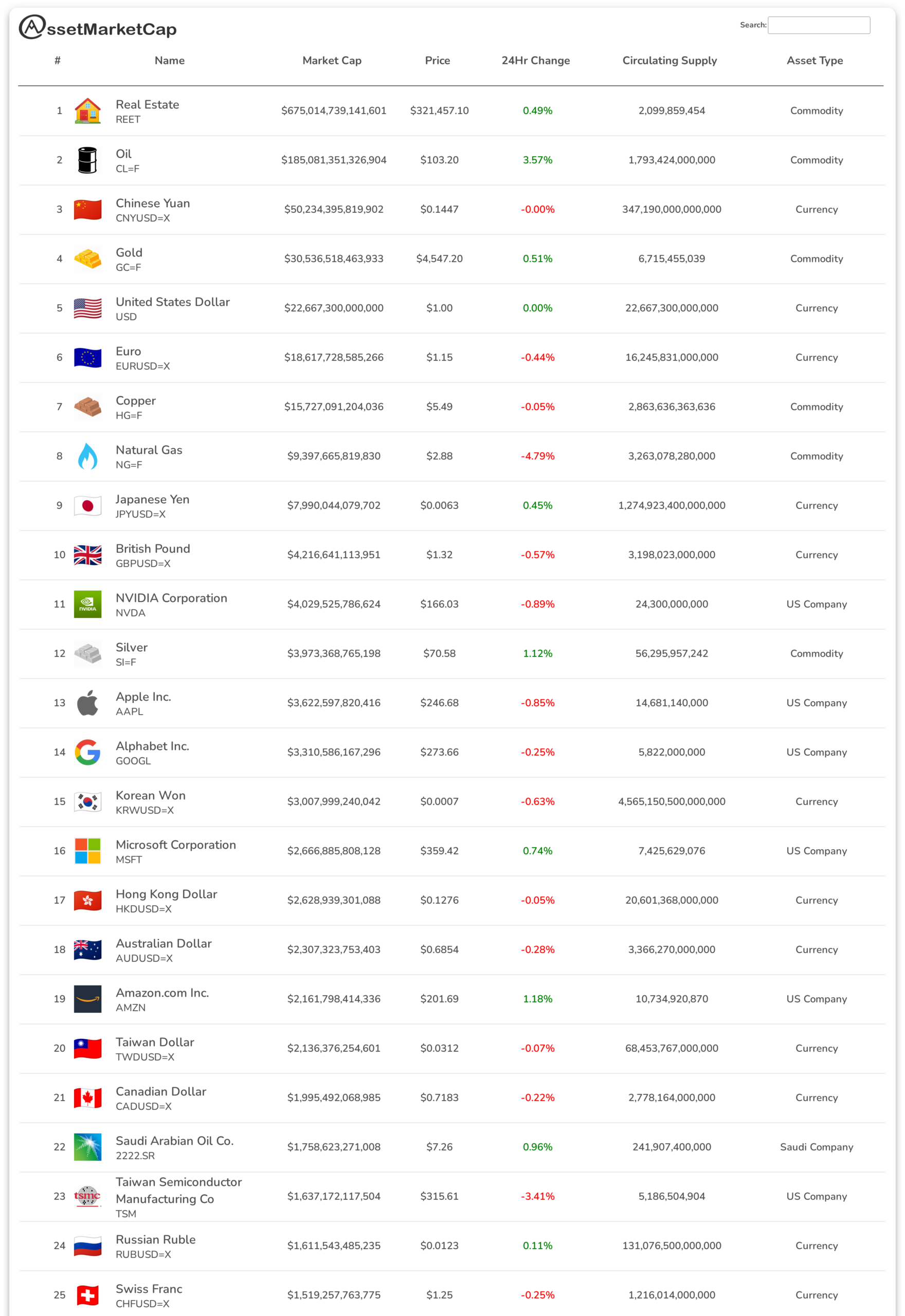
The U.S. housing market is currently experiencing a seismic shift, with existing home sales sitting approximately **25% below 2019 levels**, marking the lowest figures recorded since 1995. This sharp decline is alarming, especially considering the nation’s population has grown significantly since then. The implications of this downturn extend beyond just the housing market; they ripple through the entire economy, given that housing and related activities contribute roughly **one-sixth of the U.S. GDP**.
### A Closer Look at Existing Home Sales
To understand the current state of the housing market, it’s essential to examine the statistics. According to recent data, existing home sales have dipped alarmingly low. In 2023, the numbers are reminiscent of a time when the U.S. population was about **20% smaller**. Such stark comparisons highlight the severity of the current situation and raise questions about the underlying causes.
#### Historical Context
In the years leading up to the pandemic, the housing market was robust, bolstered by low-interest rates and a growing economy. However, as the Federal Reserve began to adjust interest rates in response to rising inflation, the housing market faced challenges. Factors like inflation, geopolitical tensions, and fluctuating mortgage rates have all contributed to the current state of affairs.
### The Economic Impact of the Housing Market
The significance of the housing sector cannot be overstated. It encompasses not only the sales of homes but also related activities such as construction, real estate services, and even consumer spending on home-related goods and services. As one of the largest components of the economy, a decline in the housing market can lead to several adverse effects:
– **Reduced Consumer Confidence:** Housing is a key indicator of economic stability. As home values decline and sales stagnate, consumer sentiment may shift negatively.
– **Decreased Construction Activity:** With fewer homes being sold, builders may scale back on new construction projects, leading to job losses in the construction sector and impacting related industries.
– **Impact on Homeowners and Investors:** Falling home prices can erode homeowners’ equity, complicating personal finances and potentially leading to increased foreclosures.
### Short-Lived Reprieve from Mortgage Rates
In recent months, brief dips in mortgage rates below **6%** prompted a flurry of refinancing activity. However, these moments of respite were fleeting. Rising geopolitical tensions and uncertainty have led to an uptick in mortgage rates once again, dampening hopes for a sustained recovery in the housing market.
#### The Mortgage Rate Dilemma
– **Geopolitical Tensions:** Events on the global stage, such as conflicts and economic sanctions, can lead to volatility in financial markets, including interest rates.
– **Inflation Pressures:** Persistent inflation can compel the Federal Reserve to continue its tightening measures, which may further exacerbate the situation for potential homebuyers and existing homeowners alike.
### Broader Implications for the U.S. Economy
As we look towards **2026**, the deteriorating housing market is poised to exert increased downward pressure on the U.S. economy. The following factors outline the broader implications:
#### A Possible Recession Indicator
Historically, a downturn in the housing market can serve as an early warning sign of a recession. As the housing market weakens, consumer spending typically follows suit. Homeowners may feel less wealthy with declining property values, leading to reduced spending on goods and services, which in turn impacts businesses and employment.
#### Impact on Employment
The construction industry is particularly vulnerable to fluctuations in the housing market. A prolonged downturn may lead to significant job losses in this sector, with ripple effects felt in related fields such as manufacturing, retail, and transportation. In a climate where workers are increasingly concerned about job security, overall economic growth may stall.
### Strategies for Navigating the Housing Market
In light of these challenges, stakeholders in the housing market, including buyers, sellers, and investors, may need to adapt their strategies. Here are a few considerations:
– **For Homebuyers:** Potential buyers should remain vigilant and informed about market trends. With prices declining, it can be an opportune time to enter the market, but caution is necessary regarding financing options and long-term economic outlooks.
– **For Homeowners:** Those looking to sell their homes may need to recalibrate their expectations regarding pricing. It may be wise to consider improvements or staging to attract buyers in a competitive market.
– **For Investors:** Investors should analyze the risks associated with real estate investments in a declining market. Diversification and a keen understanding of local market conditions can help mitigate potential losses.
### Conclusion: The Road Ahead
The housing market is at a critical juncture, and the implications of its current state extend far beyond the sector itself. As existing home sales continue to falter and economic pressures mount, the potential for a broader economic impact becomes more pronounced.
The next few years will be pivotal in determining how the U.S. housing market evolves and, by extension, how it influences the economy at large. Policymakers, economists, and everyday citizens alike must stay attuned to these developments as we navigate this challenging landscape.
In summary, while the housing market’s pain may just be beginning, understanding the underlying factors and potential strategies can equip stakeholders to better weather the storm ahead.




Leave a Reply