

### A Golden Revival: The Current Landscape
Gold has experienced an extraordinary resurgence, one of the most powerful runs in its history, with spot prices peaking near **$5,589 in late January 2026**. Although the prices have since retreated to around **$5,187 per ounce**, they remain buoyant, having achieved consecutive monthly gains throughout most of 2025. In light of these developments, Goldman Sachs has revised its year-end gold price target to **$5,400**, up from an earlier estimate of **$4,900**.
This optimistic forecast reflects a notable change in the market dynamics surrounding gold, prompting investors to reassess their portfolios and strategies. For those looking to navigate the complex terrain of gold investment, Goldman’s insights offer a roadmap grounded in extensive market analysis.
### Why Goldman Sachs Increased Its Price Target
Goldman Sachs’ revised target is rooted in a comprehensive analysis done by its analysts, **Daan Struyven** and **Lina Thomas**. They identified several critical factors driving the demand for gold, which include:
– **Private Investor Positioning**: High-net-worth individuals and family offices are increasingly purchasing physical gold bars as a hedge against long-term macroeconomic uncertainties. These positions are seen as “sticky,” likely to persist through 2026.
– **Exchange-Traded Funds (ETFs)**: Western gold ETFs have absorbed approximately **500 tonnes** of gold since early 2025, a figure that surpasses what interest rate reductions alone would predict. This indicates a structural reallocation of investments rather than a mere tactical response.
– **Central Bank Purchases**: Goldman forecasts that central banks will buy an average of **60 tonnes** of gold per month in 2026. Notably, China has extended its gold purchases for **15 consecutive months**, signaling a durable demand that could reshape market dynamics.
– **The Debasement Trade**: A growing concern regarding government debt levels and the long-term stability of monetary policy has created a new category of demand for gold that was less prominent in previous cycles.
### The Debate Over a Commodity Supercycle
As gold’s price has surged, conversations surrounding a potential commodity supercycle have intensified. This type of supercycle would entail a prolonged boom across various commodities, including metals and energy, reminiscent of the industrialization phase in China during the 2000s. However, Goldman Sachs has dismissed this perspective.
Lina Thomas stated on a recent **Markets podcast** that they do not foresee a supercycle, explaining that industrial commodities like copper and steel require synchronized global manufacturing growth to sustain significant price rallies. In contrast, gold functions primarily as a financial asset rather than a commodity. It thrives in environments characterized by low real yields and economic uncertainty, drawing bids regardless of industrial activity.
Goldman’s analysis suggests that while base metals might remain range-bound, gold could follow its unique trajectory, mainly driven by monetary trends rather than traditional demand factors.
### Comparing Goldman’s Outlook with Other Wall Street Predictions
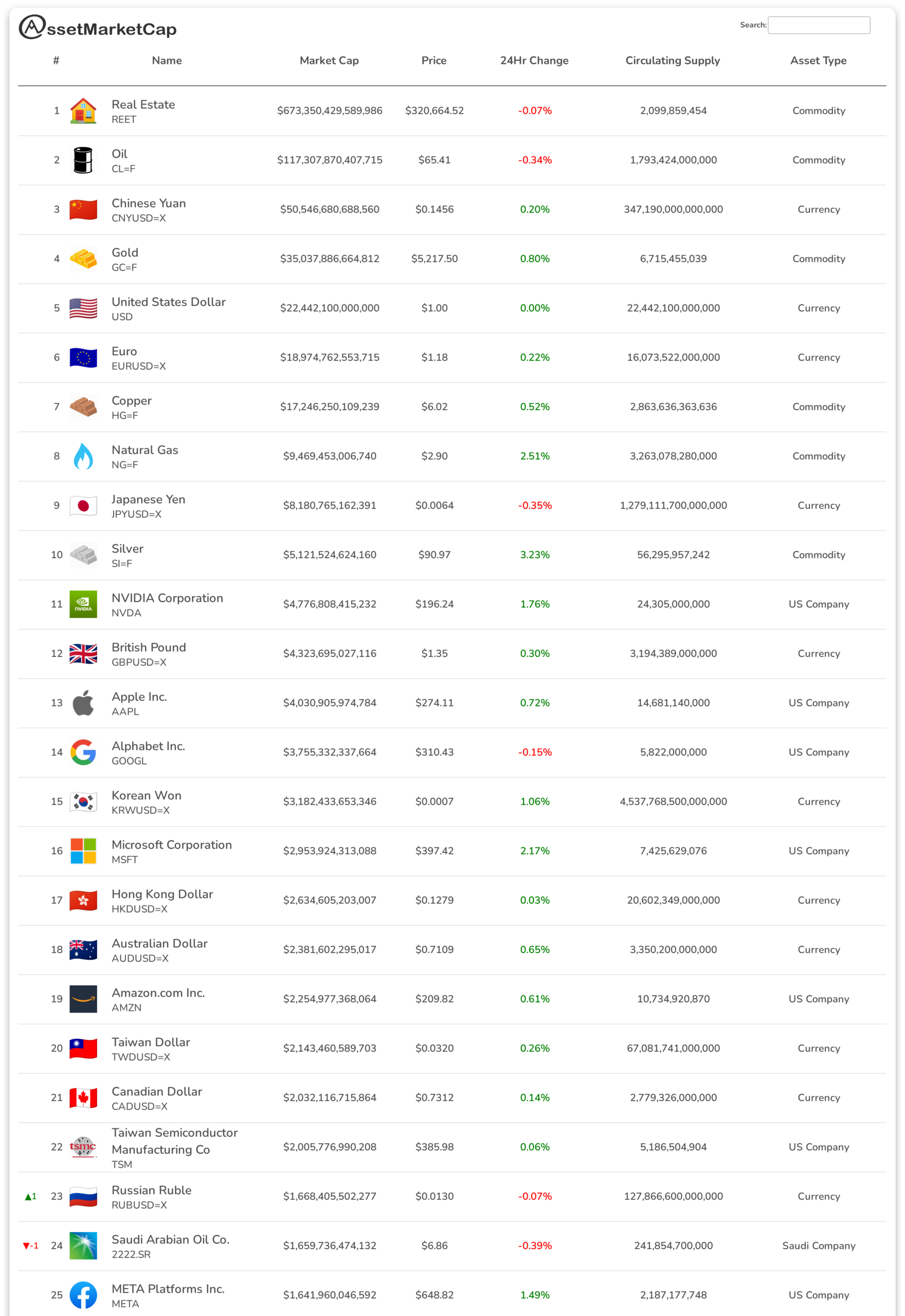
Goldman Sachs’ **$5,400** price target positions it as one of the more conservative forecasts among leading financial institutions. Other banks have adopted a more bullish stance:
– **J.P. Morgan** has raised its year-end target to **$6,300**, predicting central bank and investor demand to average **585 tonnes** quarterly throughout the year.
– **Deutsche Bank** maintains a target of **$6,000**, while **UBS** has increased its target to **$6,200** for the first three quarters of 2026, with an upside projection of **$7,200**.
The divergence in targets reflects differing assumptions about private-sector behavior. Goldman’s more cautious outlook does not count on an influx of new investors beyond existing flows. In contrast, its competitors anticipate continued rotation from equities and bonds into gold, driven by a reassessment of long-term fiscal risks.
### Risks and Cautions in Gold Investment
While Goldman Sachs acknowledges potential upside risks in its forecast—primarily from private-sector investors diversifying their portfolios in light of global policy uncertainties—there are factors that could derail this bullish outlook. A significant turn in Federal Reserve policy toward rate hikes or a sustained rally in equity markets could redirect capital away from gold and into riskier assets.
For investors, understanding these dynamics is essential for making informed decisions in the gold market. The bank emphasizes that gold should be treated as its own asset class, distinct from traditional commodities like oil or industrial metals.
### Monitoring Key Indicators
As investors look toward 2026, several key indicators warrant close observation:
1. **Federal Reserve Commentary**: Insights regarding the timing of rate cuts could significantly influence gold prices.
2. **Chinese Gold Demand**: Data on gold purchases in China post-Lunar New Year could provide clues about future demand trends.
3. **Geopolitical Tensions**: Any escalation in Middle Eastern conflicts or shifts in global trade policy could create volatility in the gold market.
### Conclusion: A Unique Investment Opportunity
Goldman Sachs’ outlook presents a compelling case for gold as a unique investment opportunity. While the broader commodity market may not follow a unified upward trajectory, gold’s price rally appears robust, driven by structural market shifts and macroeconomic concerns.
For investors, the message is clear: treat gold as a distinct asset class influenced more by monetary trends and reserve flows than by traditional economic indicators. As the landscape continues to evolve, staying informed and prepared will be instrumental for those looking to capitalize on gold’s potential in the coming years.
In summary, Goldman Sachs’ revised gold price target reflects a nuanced understanding of the market’s complexities, offering valuable insights for investors navigating this critical asset class. The dynamics at play not only underscore gold’s enduring appeal but also highlight the importance of strategic investment in a world fraught with uncertainty.
Source: https://finance.yahoo.com/news/goldman-sachs-revamps-gold-price-174700577.html




Leave a Reply