
As the digital age progresses, the influence of artificial intelligence (AI) on the economy is becoming increasingly pronounced. Recent insights from Pantheon Macroeconomics shed light on how AI capital expenditures (capex) and the “wealth effect” from tech stock performance are shaping the landscape of U.S. GDP growth. Analysts Samuel Tombs and Oliver Allen reported that these factors collectively accounted for approximately one-third of the U.S. GDP growth towards the end of 2025. This article delves into the implications of these findings, the dynamics of the “wealth effect,” and the broader economic context surrounding AI investments.
## The Rise of AI Capex
Nvidia, a leading player in the AI sector, recently reported its Q4 2025 earnings, exceeding expectations with a remarkable revenue of $68.1 billion, marking a staggering 73% increase year-over-year. This impressive performance illustrates the robust appetite for AI technology and its deployment across various industries.
According to Pantheon Macroeconomics, AI capex constituted nearly 20% of the 2.2% year-over-year increase in headline GDP for Q4 2025. This figure highlights the growing importance of AI investments in driving economic activity. AI capex refers to the capital expenditures made by companies to adopt, integrate, and enhance AI technologies within their operations.
### How AI Capex Fuels Economic Growth
AI technologies have the potential to enhance productivity, streamline operations, and reduce costs across diverse sectors. Companies are increasingly investing in AI to gain a competitive edge, enhance decision-making, and unlock new revenue streams. As businesses allocate resources towards AI development, the ripple effects on job creation, technological advancement, and overall economic growth become evident.
1. **Increased Productivity**:
– AI has been shown to boost productivity, particularly in sectors that have embraced these technologies early.
– Industries such as technology, finance, and healthcare have experienced significant productivity gains, which have in turn contributed to overall GDP growth.
2. **Investment in Innovation**:
– Companies investing in AI are not only improving their immediate operations but also fostering innovation that can lead to new products and services.
– This innovation cycle can stimulate economic growth by creating new markets and job opportunities.
3. **Long-term Economic Impact**:
– The ongoing investment in AI technologies is likely to have long-lasting effects on the economy, influencing everything from consumer behavior to regulatory frameworks.
## The Wealth Effect and Consumer Spending
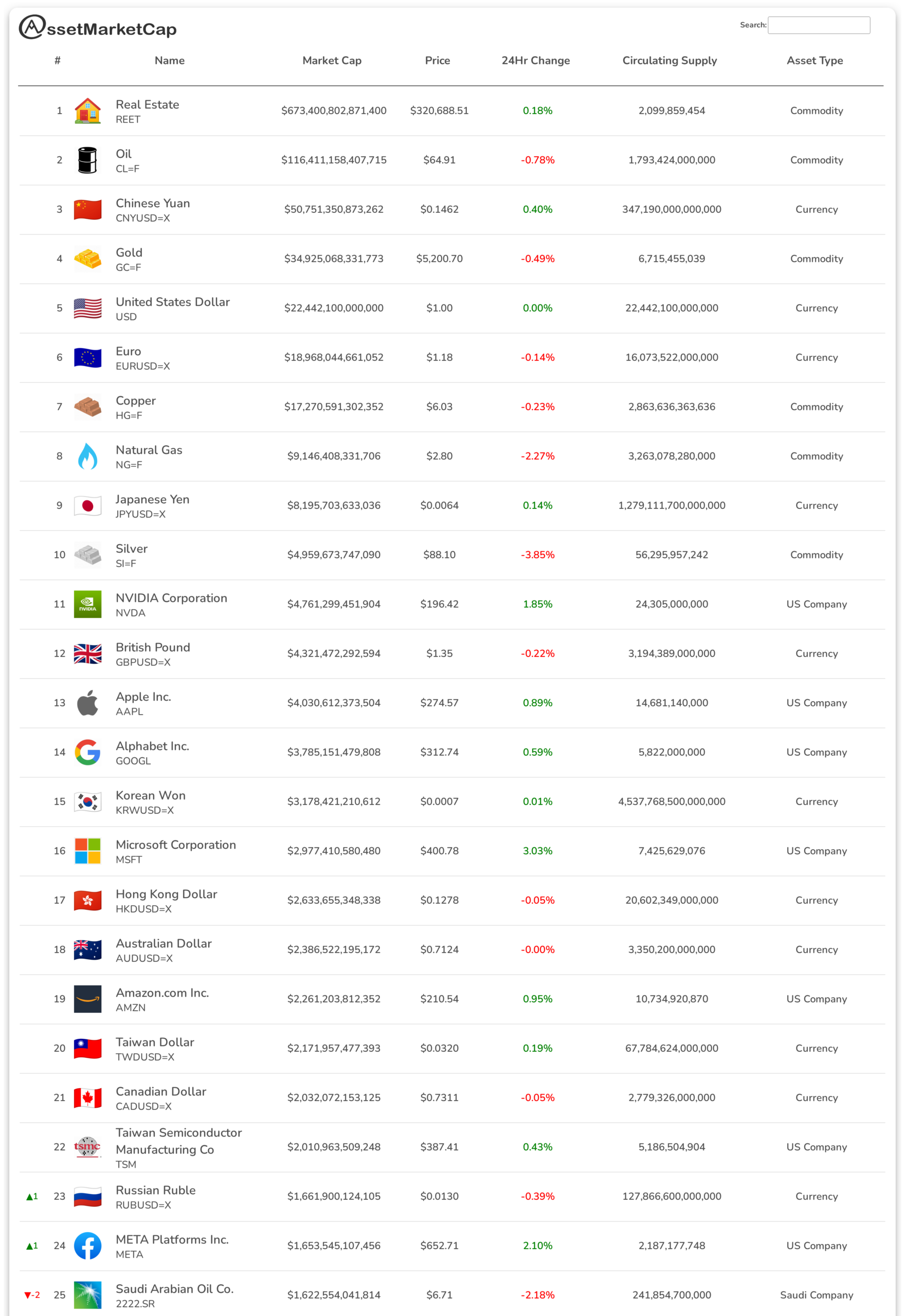
The “wealth effect” is a well-documented economic phenomenon, suggesting that when individuals perceive an increase in their wealth—often due to rising asset values—they are likely to increase their consumption levels. In the current landscape, the value of household holdings in major tech stocks, often referred to as the “Magnificent Seven” (which includes Nvidia, Apple, Microsoft, Amazon, Alphabet, Tesla, and Meta), has surged.
### Trillions Added to Household Wealth
In 2025, it was estimated that households saw their wealth increase by approximately $3.8 trillion, primarily due to gains in these tech stocks. This surge in wealth correlates with an uptick in consumer spending, which rose by 0.4 percentage points in Q4 2025, contributing an additional 0.3 points to GDP growth.
#### Key Factors Contributing to the Wealth Effect:
– **Stock Market Performance**: The stock market’s volatility often mirrors investor confidence in the economy. As tech stocks thrive, households feel wealthier and more inclined to spend.
– **Real Estate Values**: In addition to stock markets, rising real estate values also contribute to the wealth effect, further encouraging consumer spending.
– **Consumer Confidence**: The perception of financial stability and growth motivates households to spend more, thus driving economic activity.
## Potential Risks Ahead: Investor Skepticism
While the current data paints a promising picture of AI investment and consumer spending, there are potential clouds on the horizon. Analysts warn that if investor sentiment shifts, particularly regarding the sustainability of the AI narrative, it could lead to significant repercussions.
### Economic Vulnerability
Pantheon Macroeconomics cautioned that a decline in confidence surrounding AI could prompt a sizable pullback in stock prices and investment spending. Investors might begin to question the long-term viability of AI as a transformative technology, leading to a potential slowdown in economic momentum.
1. **Market Corrections**:
– If tech stocks experience a downturn, the associated wealth effect may diminish, resulting in decreased consumer spending.
– A significant drop in stock prices could negate the gains observed in household wealth.
2. **Investment Caution**:
– Companies may also become more hesitant to invest in AI if economic conditions appear uncertain, potentially stalling growth.
– This caution could lead to a slowdown in technological advancements and productivity improvements.
## Current Market Overview
Despite recent turbulence in market sentiment triggered by reports predicting mass unemployment due to AI advancements, Nvidia’s performance has remained robust. Following its earnings announcement, the company’s stock rose by 1.44%, sustaining a positive outlook in pre-market trading.
### Market Snapshot:
– **S&P 500 Futures**: Flat after closing up 0.81%.
– **STOXX Europe 600**: Flat in early trading.
– **Nikkei 225**: Up 0.29%.
– **CSI 300 (China)**: Down 0.19%.
– **Bitcoin**: Surged to $68K.
These figures reflect a mixed sentiment across global markets, underscoring the complexity of navigating an economy heavily influenced by technological advancements and investor sentiment.
## Productivity Trends in the AI Era
Despite concerns surrounding job displacement and potential economic downturns, Pantheon Macroeconomics highlighted that AI has not yet manifested in headline productivity growth. However, there is an observable acceleration in productivity within sectors that have adopted AI technologies at a higher rate.
### Sectors Experiencing Productivity Gains:
– **Technology Companies**: These firms have seen productivity growth surpassing pre-pandemic trends due to early AI adoption.
– **Finance**: Financial institutions utilizing AI for data analysis and decision-making have reported improved efficiencies.
– **Healthcare**: AI applications in healthcare have enhanced diagnostic capabilities and operational workflows.
The notion that AI might lead to mass layoffs in the near future remains largely speculative. Current evidence indicates that AI is augmenting human productivity rather than outright replacing jobs.
## Conclusion: A Balancing Act
As the U.S. economy continues to evolve amidst the AI revolution, the interplay between capital expenditures, consumer spending, and investor confidence will play a pivotal role in determining future growth trajectories. While current trends indicate robust growth fueled by AI and tech stock performance, the potential for shifts in investor sentiment introduces an element of uncertainty.
A balanced perspective is essential as we navigate these complexities. With the transformative potential of AI technologies, it is crucial for stakeholders—investors, policymakers, and consumers—to remain vigilant. Continuous investment in innovation, alongside a nuanced understanding of market dynamics, will be imperative in sustaining economic growth in the years to come.
In summary, the current landscape presents both opportunities and challenges, underscoring the need for a strategic approach as we advance into an AI-driven future.
Source: https://fortune.com/2026/02/26/ai-capex-wealth-effect-tech-stocks-nvidia-third-us-gdp/




Leave a Reply