
## Rising Gas Prices: A Looming Crisis
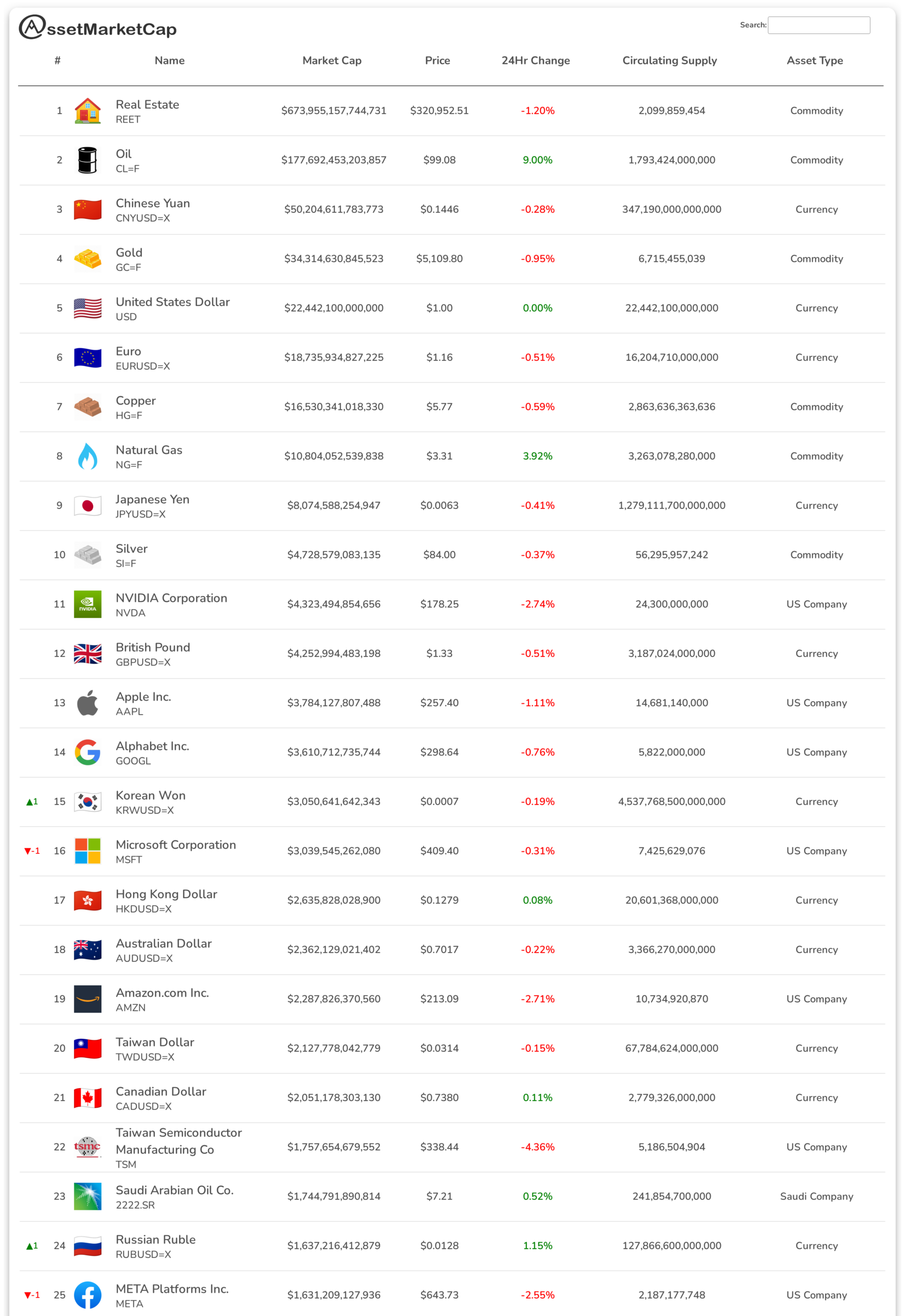
In recent days, American motorists have felt the sting of increasing fuel costs, with gas prices surging by nearly **$0.50** in just a week. As geopolitical tensions escalate in Iran, experts are predicting that gas prices could breach the **$4 per gallon** threshold within the next month. This surge is primarily fueled by significant disruptions in tanker traffic through the **Strait of Hormuz**, a crucial maritime route that handles approximately **20% of the world’s oil supply**.
On a recent Sunday evening, oil prices crossed the **$110 per barrel** mark, reflecting the mounting pressures on global oil markets. According to Patrick De Haan, a petroleum analyst at GasBuddy, there is roughly an **80% chance** that the national average price for gasoline will rise to **$4 per gallon** sooner rather than later. Current projections indicate that the national average, which recently stood at **$3.45**, could escalate to **$3.75–$3.95** this week alone.
### The Immediate Financial Impact
To grasp the significance of these price changes, consider the economic ramifications for everyday Americans. A mere **$10 increase** in crude oil prices typically translates to a **$0.25 increase** at the gas pump. This rapid escalation means that Americans could collectively spend an additional **$187 million** daily on fuel compared to just a week ago.
For context, the national average for gas was only **$2.99** per gallon just a week prior, highlighting the swift and dramatic changes that have occurred. If gas prices do exceed **$4 per gallon**, it would mark the first time since **August 2022** that consumers have faced such steep costs at the pump.
### Diesel Costs: A Parallel Spike
The situation is even more pressing for diesel fuel, which has seen its prices rise even faster. De Haan estimates that there is an **85% chance** national diesel prices could hit **$5 per gallon** this week, a level not seen since **December 2022**. The current national average for diesel is approximately **$4.66**, up from **$3.77** just a week ago.
Higher diesel prices have broader implications, particularly for the cost of goods. As transportation costs increase, so too do the prices consumers face at grocery stores, clothing outlets, and construction supply retailers. Since the majority of goods in the U.S. are transported by freight, any rise in fuel costs can lead to a ripple effect, impacting the entire supply chain.
## The Economic Landscape: Stagflation Risks
The potential energy crisis stemming from the conflict in Iran has raised alarm bells on Wall Street, with growing fears of **stagflation**—a concerning combination of stagnant economic growth and rising inflation. Analysts from JPMorgan recently noted that concerns about stagflation are becoming more pronounced in the U.S. economy.
Nigel Green, CEO of deVere Group, elaborated on this “toxic combination,” stating that the rapid surge in energy prices acts as an ignition point for inflation. “When energy prices surge this quickly, inflation accelerates almost everywhere,” Green remarked. He emphasized that businesses are facing increased operational costs while households contend with higher utility bills, all occurring simultaneously with slowing economic growth.
### The Broader Economic Implications
As the consumer price index (CPI) is set to be released this week, Wall Street is keenly watching for any signs that inflation is headed higher, particularly in the context of the ongoing conflict in the Middle East. While the upcoming CPI report will reflect inflation data from February—prior to the onset of hostilities—the market’s reaction could be telling.
If inflation rates exceed expectations in the wake of escalating tensions, fears of stagflation will likely intensify, further weighing on equity markets. Analysts at JPMorgan noted that amid rising inflation concerns, any negative surprises in the CPI could lead to increased volatility in stock prices, causing further uncertainty for investors.
## Lessons from History: Oil Price Shocks
The current situation is reminiscent of previous oil price shocks that have had lasting impacts on the global economy. The **1973 oil crisis**, for instance, saw oil prices quadruple in a short period due to an Arab oil embargo, leading to widespread inflation and economic stagnation in many Western nations. Similarly, the **2008 financial crisis** was partly fueled by skyrocketing oil prices, which contributed to a deep recession.
In both cases, the correlation between rising oil prices and broader economic malaise was evident, underscoring the critical role that energy prices play in the overall economic landscape. As history shows, significant increases in fuel costs can lead to shifts in consumer behavior, affecting everything from spending habits to investment decisions.
### Consumer Responses: Adjusting to Higher Prices
As gas prices climb, consumers may begin to adjust their behaviors in response to changing economic conditions. Some may choose to limit driving, carpool more frequently, or even consider public transportation as a cost-saving measure. Others may opt to purchase more fuel-efficient vehicles or explore alternative transportation methods, including electric vehicles (EVs), which have seen a surge in popularity as consumers seek to mitigate fuel costs.
Additionally, businesses may pass on increased costs to consumers, leading to higher prices for goods and services. This potential inflationary pressure could exacerbate the already precarious economic situation, influencing consumer confidence and spending habits.
## Conclusion: Navigating Uncertain Waters
As the situation in Iran unfolds, the implications for global oil prices and U.S. gas prices are becoming increasingly clear. Motorists may soon face the reality of paying **$4 per gallon** or more at the pump, while diesel prices could similarly escalate. This dynamic not only impacts individual budgets but also raises broader concerns about inflation and economic growth in the U.S.
While the current crisis in the Middle East is a significant factor driving prices higher, it is essential to consider the broader economic landscape. The potential for **stagflation** looms large, and consumers, businesses, and policymakers will need to navigate these uncertain waters carefully.
As we await the latest inflation data and observe the developments in Iran, the immediate future remains fraught with uncertainty. The interplay between geopolitical tensions and economic realities will undoubtedly shape the financial landscape in the coming weeks, and vigilance will be essential for those looking to make informed decisions in this volatile environment.


Leave a Reply