

The U.S. economy is currently grappling with a rapidly changing landscape, where surging oil prices could offset the anticipated benefits of President Donald Trump’s tax cuts—dubbed the “big beautiful bill.” Recent analysis by Raymond James has illuminated a significant concern: the financial relief provided by tax changes may be completely nullified by escalating gas prices, which have risen sharply in the wake of geopolitical tensions.
### Understanding the Economic Context
In 2017, President Trump signed the Tax Cuts and Jobs Act, which aimed to stimulate economic growth through reductions in individual and corporate tax rates. This legislation included significant individual tax cuts projected to deliver $129 billion in savings for the 2025 tax year alone. These changes were designed to increase disposable income for consumers, thereby boosting spending and stimulating the economy.
However, the financial landscape has shifted dramatically since then. The resurgence of oil prices, particularly due to tensions in the Middle East, poses a new challenge. Following the U.S.-Iran conflict, oil prices have soared, which could directly impact consumer spending and economic growth.
### The Impact of Rising Oil Prices
According to Raymond James strategist Tavis McCourt, the rise in oil prices could lead to an increase of approximately $150 billion in consumer spending on gasoline alone—an amount that could entirely offset the benefits of the tax cuts. McCourt’s analysis suggests that if the price of oil remains elevated—specifically, more than $20 per barrel higher than pre-conflict levels—this increase in gas expenses could negate the financial relief expected from tax refunds.
In practical terms, this means consumers may find themselves with less disposable income to spend on goods and services, as a larger portion of their budgets is allocated to fuel. As McCourt noted, “With the $25 move last week, if the oil price stays here, it essentially offsets the fiscal benefit from the OBBA.”
### A Closer Look at Consumer Behavior
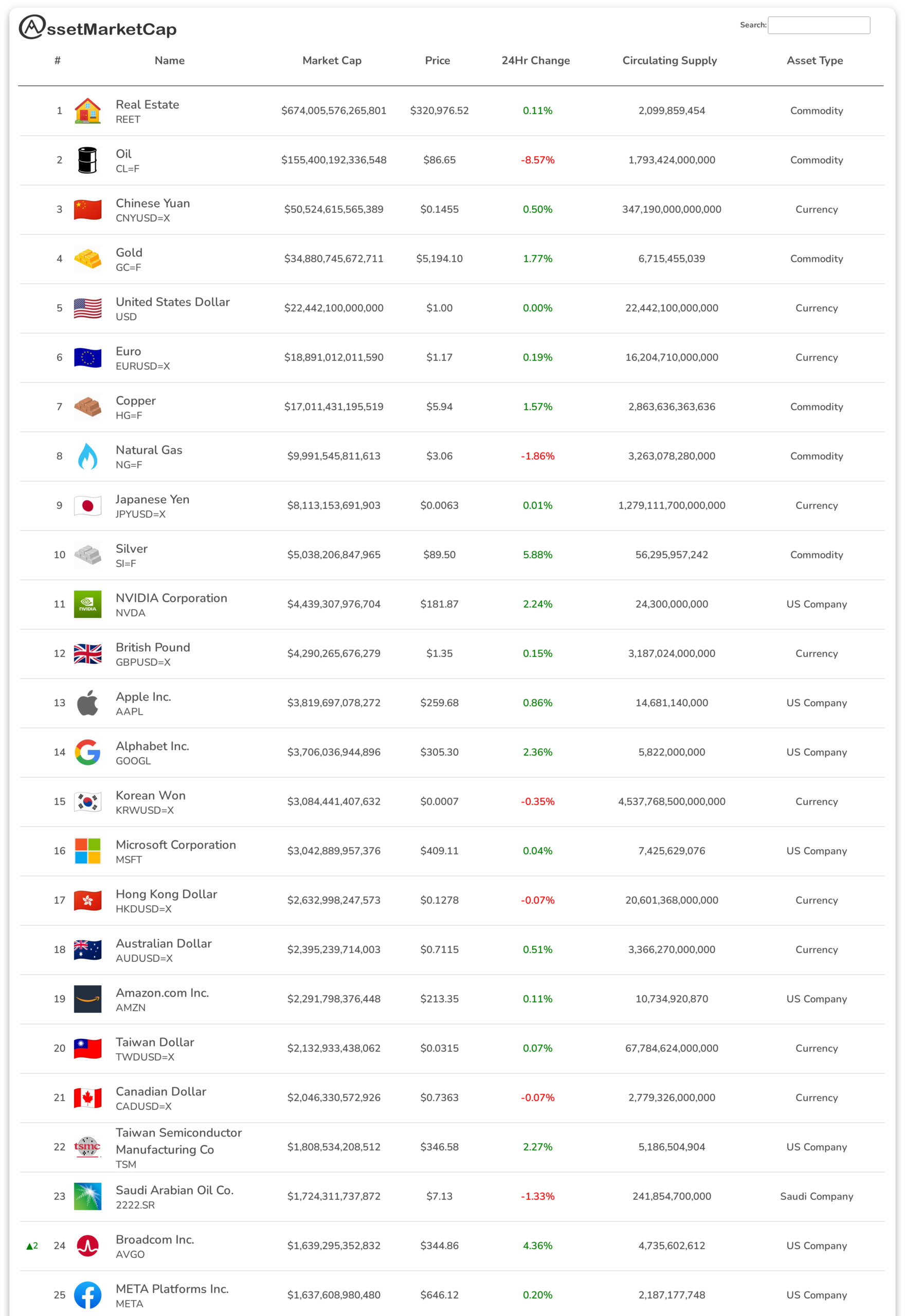
The economic implications of this shift are profound. Consumers traditionally respond to rising gas prices by cutting back on discretionary spending. The Tax Foundation’s estimates indicate that the tax cuts were supposed to provide a meaningful lift to consumer spending. However, with gas prices hovering around $88.20 per barrel—reportedly over $20 higher than the pre-war price—many households may find their tax refunds redirected towards fuel costs rather than stimulating the broader economy.
Stephanie Roth, chief economist at Wolfe Research, echoed these concerns, suggesting that sustained high oil prices would hinder consumer spending. “In all these scenarios, it has to last longer than it is now,” Roth stated, emphasizing the need for a prolonged duration of elevated oil prices for significant economic impacts to be felt.
### Historical Comparisons and Future Projections
To gauge the potential consequences, it is essential to look at historical precedents. Following previous oil shocks, such as those seen during the Gulf War in 1990 and the Russian invasion of Ukraine in 2022, it took about six months for oil prices to stabilize. This historical context raises questions about how long current elevated prices might persist and what that means for consumer behavior.
As consumers brace for the expected tax refunds, which Citadel Securities estimates will see only 30% distributed by early March, the timing of these refunds in relation to rising oil prices will be critical. By May, distributions are anticipated to hit 75%, suggesting a potential peak in consumer spending that may be undercut by soaring energy costs.
### The Role of Economic Stimulus
The anticipated economic boost from the tax cuts was expected to play a critical role in stimulating growth through 2026. However, higher energy costs could redirect what was hoped to be a surge in consumer spending into an energy drain, essentially voiding out the boost from tax cuts. Gabriel Shahin, CEO of Falcon Wealth Planning, articulated this sentiment succinctly: “If we were expecting those tax refunds to lift consumer spending, these higher oil prices are just redirecting all that cash toward energy costs.”
Despite these challenges, some analysts argue that the economic fundamentals may still support resilience. Dan Niles, a portfolio manager at Niles Investment Management, posits that tax refunds could help consumers absorb the impact of rising oil prices. Drawing parallels to previous oil price spikes, he noted that during the 2022 and 2023 periods, the economy managed to avoid recession despite rising energy costs.
### Differing Perspectives on Economic Resilience
While Niles expresses confidence in consumer resilience, others caution against complacency. Roth emphasizes the importance of recognizing the differences in current economic conditions compared to previous periods. Core inflation, for instance, is significantly lower today at around 3% compared to 5.5% in the past. Moreover, job growth has slowed, with recent months showing only about 37,000 new jobs compared to the robust growth of earlier years.
This divergence in perspectives highlights the complexities of the current economic environment. While some analysts believe that consumers can weather the storm of rising oil prices, others warn that the economic backdrop is not as favorable as it once was. McCourt pointed out that, historically, significant pullbacks in consumer spending have been accompanied by substantial job losses, something that has yet to occur.
### Broader Implications for the Market
The implications of rising oil prices extend beyond consumer spending; they could impact stock market performance and investor sentiment as well. McCourt noted that consumer discretionary stocks have underperformed the S&P 500, indicating that investors are already factoring in the potential negative impact of higher energy costs on consumer behavior.
Additionally, as the market grapples with these dynamics, many analysts are closely monitoring the Federal Reserve’s response to the evolving inflationary landscape. The interplay between interest rates and oil price fluctuations will be crucial in determining the overall economic trajectory. If consumers face mounting pressure from energy costs, it may prompt the Fed to adjust its monetary policy to mitigate potential downturns.
### Conclusion: Navigating Uncertainty
The current economic landscape presents a challenging scenario for both consumers and policymakers. Rising oil prices threaten to undermine the fiscal relief anticipated from the Trump administration’s tax cuts, redirecting disposable income away from consumer spending and into energy costs. As the market adjusts to these shifts, understanding the broader implications will be essential for navigating the uncertain terrain ahead.
The key takeaway is that while tax cuts were designed to stimulate growth, external factors such as soaring oil prices can significantly alter the expected outcomes. As consumers await their tax refunds, the economic environment remains in flux, raising pertinent questions about spending patterns, market resilience, and the overall trajectory of the U.S. economy.
In this period of uncertainty, vigilance among consumers and investors alike will be paramount, as the interplay of fiscal policy and global energy dynamics continues to shape the economic landscape.



Leave a Reply