

### The Resurgence of Oil Prices: A Troubling Trend
In a dramatic turn of events, oil prices have surged past the $100 mark once again, sending ripples through global financial markets. This spike comes at a time when the geopolitical landscape is fraught with uncertainty, particularly in the Middle East, where tensions between the U.S. and Iran have reached alarming levels. As of this morning, oil traded at approximately $96 per barrel, a significant increase from earlier values hovering around $90. Such fluctuations are reminiscent of the oil crises of the past, prompting both analysts and investors to question whether we are witnessing a return to the tumultuous days of the 1970s.
### The Impact of the Strait of Hormuz Crisis
At the heart of this crisis is the Strait of Hormuz, a crucial chokepoint for global oil shipments. The U.S. Navy’s recent admission that it cannot safely operate in these waters has heightened fears among investors. The Strait of Hormuz is responsible for the transit of about 20% of the world’s petroleum, making its security vital to global energy stability. Military officials have indicated that any naval escorts in the area would only be feasible once the threat of Iranian attacks diminishes. Currently, the U.S. military’s presence is not enough to guarantee safe passage for oil tankers.
The situation has further deteriorated as Oman has evacuated its Mina Al Fahal terminal, a facility that exports roughly 1 million barrels of oil a day. The volatility of the situation has forced shipping companies to reroute vessels, with many opting for Saudi Arabia’s Red Sea coast as a safer alternative. However, even these routes are not immune to Iranian threats, as evidenced by recent attacks on cargo ships.
### Global Response: How Countries Are Coping
The repercussions of rising oil prices are not confined to the Middle East. Asian nations, which import a staggering 70% to 90% of their oil from this region, are feeling the strain. Governments are resorting to extreme measures to mitigate the impact of soaring fuel costs. Reports have surfaced that countries like Thailand are instituting four-day work weeks, encouraging civil servants to take the stairs instead of elevators, and raising air conditioning temperatures to conserve energy. These drastic steps highlight the seriousness of the situation and the urgent need for solutions to stabilize oil prices.
### Historical Context: Are We Reliving the 1973 Oil Crisis?
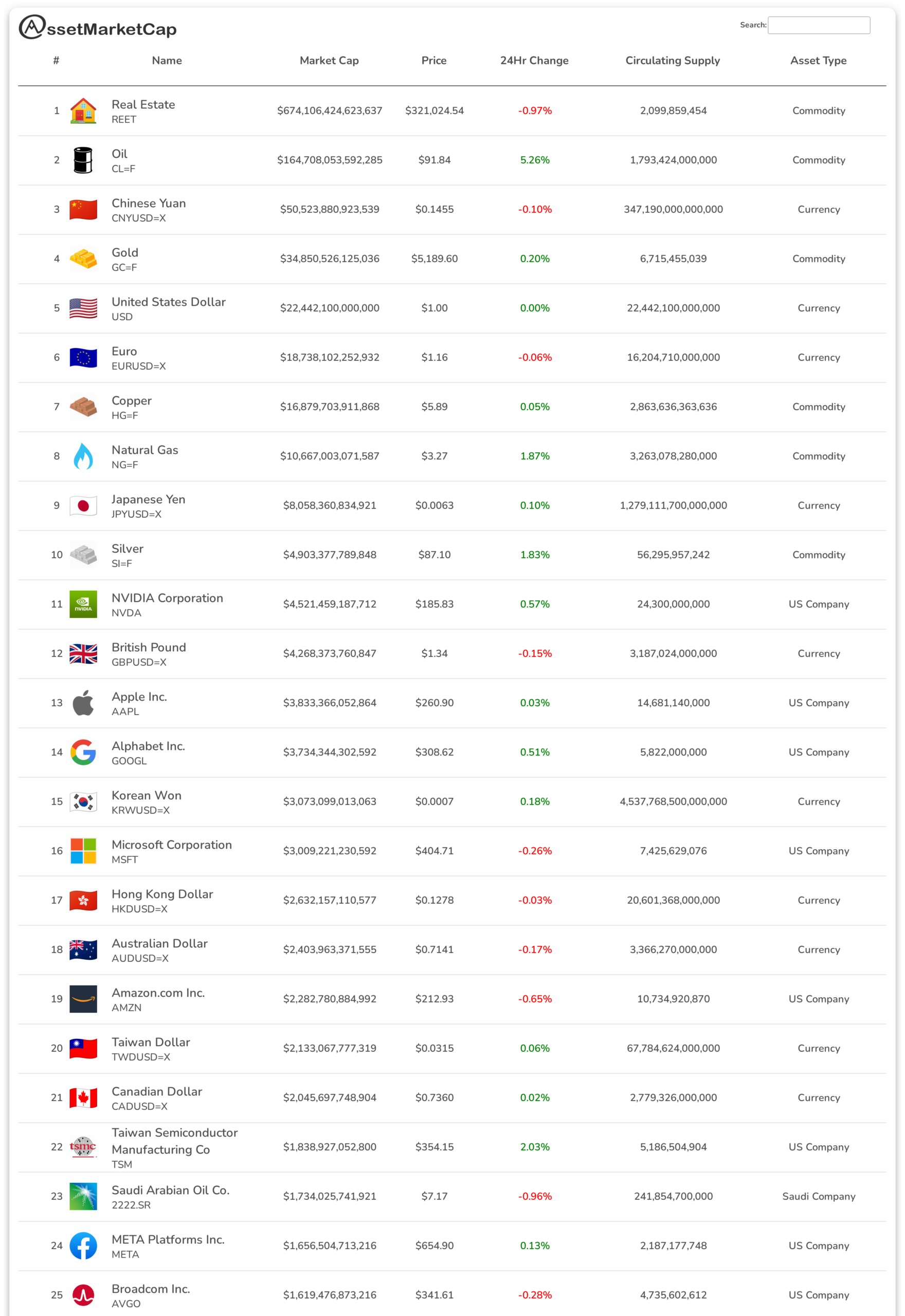
The current landscape evokes memories of the 1973 oil crisis, which saw prices skyrocket due to geopolitical strife and OPEC’s manipulation of oil supplies. While some analysts argue that today’s scenario parallels that period, others caution against drawing direct comparisons. UBS’s Paul Donovan stated, “In the absence of a coherent U.S. strategy to reopen the Strait of Hormuz, investors are likely to focus on Iranian actions as the market driver.” This sentiment is echoed by KPMG’s chief economist, Diane Swonk, who warns that the ongoing conflict may persist for up to six more months, potentially driving oil prices above $130 per barrel.
The pricing trends have prompted some financial analysts to draw parallels to early 2022, when Russia’s invasion of Ukraine caused oil prices to soar from $65 to a peak of $139. LPL Financial’s Adam Turnquist noted that the oil market is displaying similar behavior to that period, with fears of conflict pushing prices upward.
### The Shadowy Operations of Iranian Oil Exports
Despite the escalating tensions, Iran continues to export oil, largely evading sanctions through a “shadow fleet” of vessels that turn off their transponders to avoid detection. This tactic complicates efforts to monitor global oil flows and raises concerns over the integrity of the oil market. As Charles Edward Gehrke points out, the lack of a centralized maritime monitoring authority makes it challenging to track these clandestine operations effectively.
### The Broader Economic Implications
The rise in oil prices has significant implications for global economies, particularly as central banks grapple with rising inflation. Analysts predict that U.S. inflation could rise above 3% during the second quarter, potentially affecting monetary policy and interest rates. The Federal Reserve may face pressure to adjust its approach as persistent inflation becomes a reality.
### The Role of Technology and AI in Modern Business
In addition to the oil crisis, the tech sector is experiencing its own turmoil. Amazon has faced challenges after deploying AI to write its code, leading to various service outages. This incident highlights the complexities and risks associated with reliance on artificial intelligence in critical business functions. As companies increasingly integrate AI into their operations, the potential for unforeseen consequences remains a concern.
### Conclusion: Navigating Uncertain Waters
As oil prices continue to oscillate and geopolitical tensions escalate, investors and policymakers must remain vigilant. The situation in the Strait of Hormuz is precarious, and the implications of rising oil prices are likely to be felt across various sectors of the economy. The current crisis serves as a reminder of the interconnectedness of global markets and the challenges that arise from geopolitical instability.
In this environment, businesses must adapt to changing circumstances while consumers may need to brace for higher fuel costs and inflationary pressures. The coming weeks and months will be critical in shaping the trajectory of oil prices and their impact on the global economy. As we move forward, the lessons learned from past crises will be invaluable in navigating these uncertain waters.
Source: https://fortune.com/2026/03/12/oil-price-100-barrel-the-strait-of-hormuz/



Leave a Reply