

The cryptocurrency market is often influenced by geopolitical events, and recent tensions in the Middle East are no exception. As Bitcoin (BTC) hovers around the significant psychological barrier of $70,000, investors and analysts are closely monitoring developments in international relations, particularly those involving the United States and Iran. This article will delve into the current geopolitical climate, its implications for Bitcoin, and analyze the broader context of these events.
### Escalating Tensions in the Middle East
In recent days, the situation in the Middle East has intensified dramatically. Following a series of military strikes by the United States against strategic targets in Iran, including Kharg Island—a critical hub for oil exports—President Donald Trump has called for a coalition of countries to send naval support to the Strait of Hormuz. This narrow waterway is crucial for global oil shipments, and any disruption could have far-reaching consequences for global markets.
Trump’s directive prompted France to respond, committing to deploy ten warships to the region. This military positioning underscores the seriousness with which Western powers are approaching the potential threat posed by Iranian actions. The U.K., however, has opted not to send military assets, indicating a more cautious approach amidst these rising tensions.
### The Role of Oman in Diplomacy
Complicating the situation further, Oman has attempted to act as a mediator between the U.S. and Iran, reaching out to facilitate peace talks. However, reports indicate that the Trump administration has shown little interest in pursuing these diplomatic avenues. A senior official within the administration mentioned that the President remains focused on “pressing ahead with the war,” suggesting a preference for military action over negotiations.
This diplomatic stalemate has significant implications not only for regional stability but also for global financial markets, including cryptocurrencies. The ongoing conflict has the potential to fuel market volatility, as concerns over oil supply disruptions could lead to heightened demand for alternative assets like Bitcoin.
### Bitcoin’s Resilience Amidst Global Uncertainties
Despite the backdrop of escalating military tensions, Bitcoin’s price has remained relatively stable, trading above the $70,000 mark. This stability comes as a surprise to many, given the historical tendency of financial markets to react negatively to geopolitical crises. Typically, Bitcoin has experienced price declines during turbulent times, particularly when traditional markets open on Monday mornings after a weekend of news.
Several factors could be contributing to Bitcoin’s current resilience:
– **Institutional Adoption**: As more institutional investors enter the cryptocurrency space, Bitcoin has begun to be viewed as a store of value, similar to gold. This perception can provide a buffer against market shocks and geopolitical uncertainties.
– **Decentralized Nature**: Bitcoin operates independently of central banks and governments, making it an appealing alternative during times of political instability. Investors may flock to BTC as a hedge against fiat currency devaluation resulting from prolonged conflict.
– **Market Sentiment**: The overall sentiment within the crypto community remains optimistic, with many investors viewing current prices as a buying opportunity. The belief in Bitcoin’s long-term potential continues to support its price.
### The Historical Context of Bitcoin and Geopolitical Events
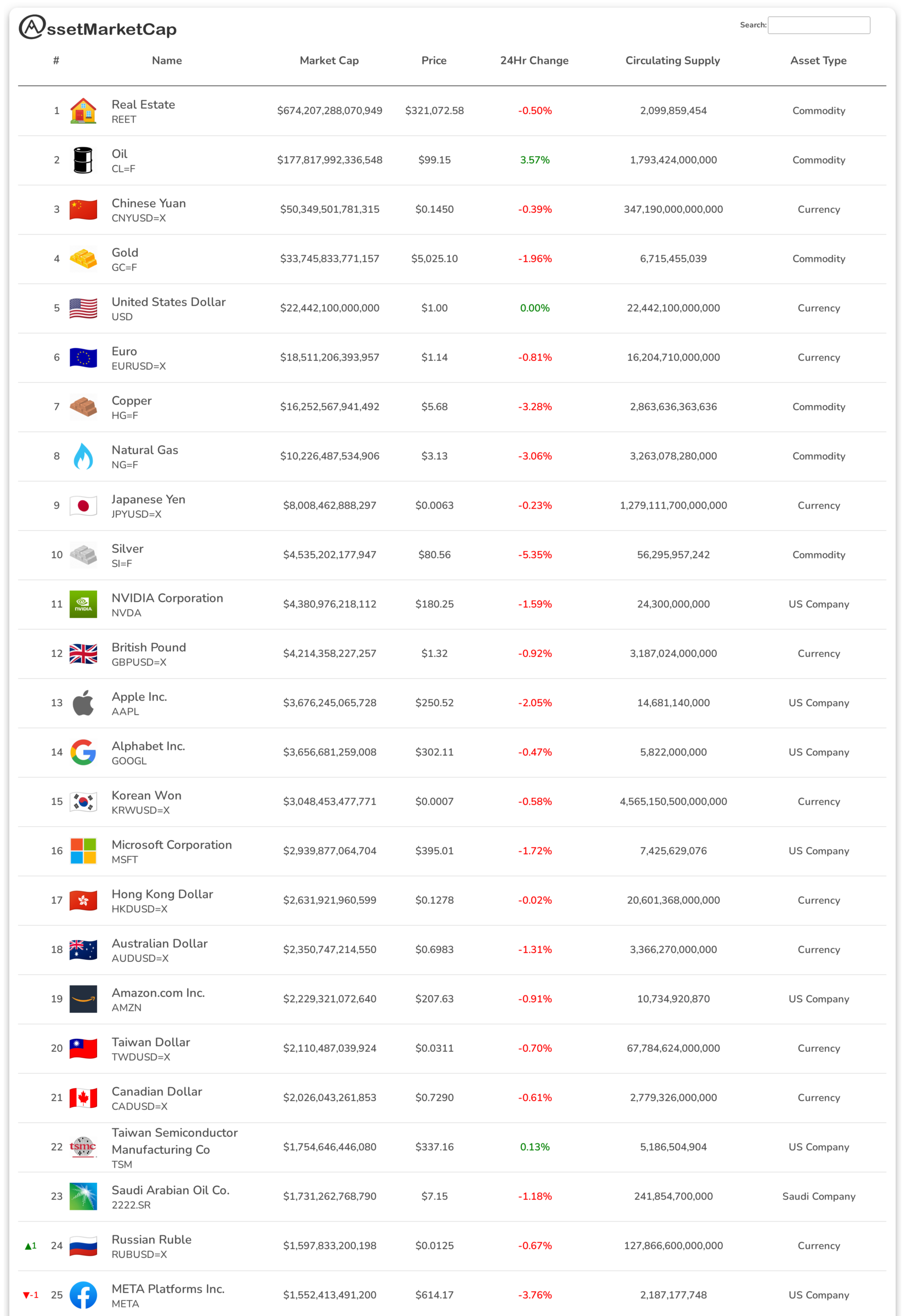
Historically, Bitcoin’s price movements have been influenced by major geopolitical events. For instance, during the onset of the COVID-19 pandemic in early 2020, Bitcoin experienced a dramatic drop, followed by a rapid recovery as governments around the world initiated stimulus measures. Similarly, when tensions escalated between the U.S. and Iran in early 2020, Bitcoin’s price fluctuated significantly.
Understanding this historical context is crucial for investors looking to navigate the current market landscape. While Bitcoin has shown resilience in the face of geopolitical tensions, it is essential to remain vigilant and informed about how such events can influence market dynamics.
### Broader Implications for the Cryptocurrency Market
The interplay between Bitcoin and geopolitical events raises several questions about the future of the cryptocurrency market. As traditional financial markets become more interconnected with global events, cryptocurrencies may increasingly serve as a barometer for investor sentiment regarding geopolitical stability.
1. **Increased Volatility**: As tensions rise in the Middle East and elsewhere, cryptocurrencies may experience heightened volatility as traders react to news and events in real time.
2. **Shift in Investment Strategies**: Investors may begin to allocate a larger portion of their portfolios to cryptocurrencies as a hedge against geopolitical risks. This shift could lead to increased capital inflows into Bitcoin and other digital assets.
3. **Regulatory Scrutiny**: As governments respond to geopolitical crises, there may be increased scrutiny on cryptocurrencies. Regulatory frameworks may evolve in response to how digital assets are perceived during times of conflict.
### A Balanced Perspective on Bitcoin’s Future
While Bitcoin continues to exhibit resilience amidst geopolitical tensions, it is essential to approach its future with a balanced perspective. The cryptocurrency market is still in its early stages, and numerous factors can influence price dynamics.
– **Market Manipulation**: The cryptocurrency market is susceptible to manipulation, which can lead to significant price swings. Investors should remain cautious and conduct thorough research before making investment decisions.
– **Regulatory Risks**: As governments worldwide grapple with the implications of cryptocurrencies, regulatory changes could impact the market landscape. Investors should stay informed about potential regulations that could affect their investments.
– **Technological Developments**: The evolution of blockchain technology and the emergence of new cryptocurrencies could impact Bitcoin’s dominance in the market. Keeping an eye on technological advancements is crucial for understanding the future of digital assets.
### Conclusion: What Lies Ahead for Bitcoin?
As Bitcoin maintains its position above $70,000 amidst rising geopolitical tensions, investors are left to ponder what lies ahead. The interplay between global events and market dynamics will continue to shape the cryptocurrency landscape.
In the coming days and weeks, the situation in the Middle East will likely remain fluid, and its impact on Bitcoin’s price may become more pronounced. Investors should brace for potential volatility and remain vigilant in monitoring developments that could influence the market.
Ultimately, Bitcoin’s resilience in the face of geopolitical crises speaks to its growing acceptance as a viable alternative asset. However, as with any investment, caution and informed decision-making will be crucial in navigating the complexities of the cryptocurrency market amid global uncertainties.




Leave a Reply