
In a recent analysis, Electric Capital unveiled a comprehensive report detailing **501 distinct sources of real-world yield**, a term that refers to the income generated from various financial assets. Surprisingly, the study revealed that **93% of these yield sources remain untouched by decentralized finance (DeFi)**. This finding not only highlights the current limitations of blockchain technology in capturing real-world assets but also opens up a discussion about the future potential of tokenization in finance.
### Understanding the Landscape of Real-World Yields
**Real-world yield sources** are vital components of the global financial ecosystem. They include traditional assets such as U.S. Treasuries, corporate bonds, private credit, and sovereign debt from countries outside the U.S. These assets are typically seen as stable and reliable, generating consistent revenue streams for investors. However, Electric Capital’s report indicates that only **34 out of the 501 yield sources** have any significant on-chain presence, each boasting over $50 million in tokenized form.
This limited representation raises questions about the scalability of DeFi platforms and their ability to integrate real-world assets effectively. What is preventing wider adoption of tokenized real-world yields?
### Distribution Challenges: The Bottleneck of Tokenization
One of the most striking observations made in the report is the issue of **distribution**. Out of **35 yield-bearing non-stablecoin real-world assets (RWAs)** that exceed $50 million, only **two have more than 2,000 holders**. This statistic underscores a critical vulnerability in the current landscape of tokenized assets: they remain heavily dependent on a small number of large deployers and vault curators.
Take, for example, **Centrifuge’s JAAA**, a tokenized AAA-rated collateralized loan obligation (CLO) that held an impressive **$743 million** at the time of data collection. On March 9, however, it suffered a shocking **44% drop in value** in just one day after the Sky’s Grove protocol redeemed **$327 million** in a single transaction. Such volatility raises concerns about the liquidity and stability of tokenized assets in the market.
**BlackRock’s BUIDL** initiative presents a similar dynamic, where the top **10 holders control a staggering 98% of the supply**. These holders are primarily other protocols, including **Ethena, Ondo, and Sky**, which further emphasizes the concentration of ownership and the potential risks associated with it.
### The Road Ahead: Five Forces Driving Tokenization
Electric Capital posits that several **compounding forces** will encourage new asset types to enter the blockchain space. These include:
1. **Growing Stablecoin Base**: As stablecoins gain traction, their diversification of yield preferences could drive demand for new types of tokenized assets.
2. **Protocol Competition**: The ongoing competition among DeFi protocols to offer differentiated products will likely spur innovation and adoption.
3. **Vault Infrastructure**: The development of robust vault infrastructure that can absorb duration risk will make it easier for investors to engage with tokenized assets.
4. **Tranching Layers**: Introducing tranching layers can expand buyer bases by providing various risk profiles, appealing to a broader range of investors.
5. **Leverage Loops**: These mechanisms can multiply demand for collateral-eligible assets, creating a more dynamic market environment.
### The Role of AI Infrastructure in Tokenization
Electric Capital also highlights the potential impact of **AI infrastructure spending** on the tokenization landscape. According to projections from Goldman Sachs, this spending is expected to surpass **$500 billion by 2026**. Key areas such as GPU leasing, data center construction, and energy contracts are seen as natural candidates for on-chain financing.
As sectors like artificial intelligence evolve, the need for innovative financing solutions will grow. Tokenization could provide a way to unlock new avenues for investment in these emerging technologies, thereby bridging the gap between traditional finance and the rapidly evolving digital economy.
### Real-World Examples of Tokenization Success and Challenges
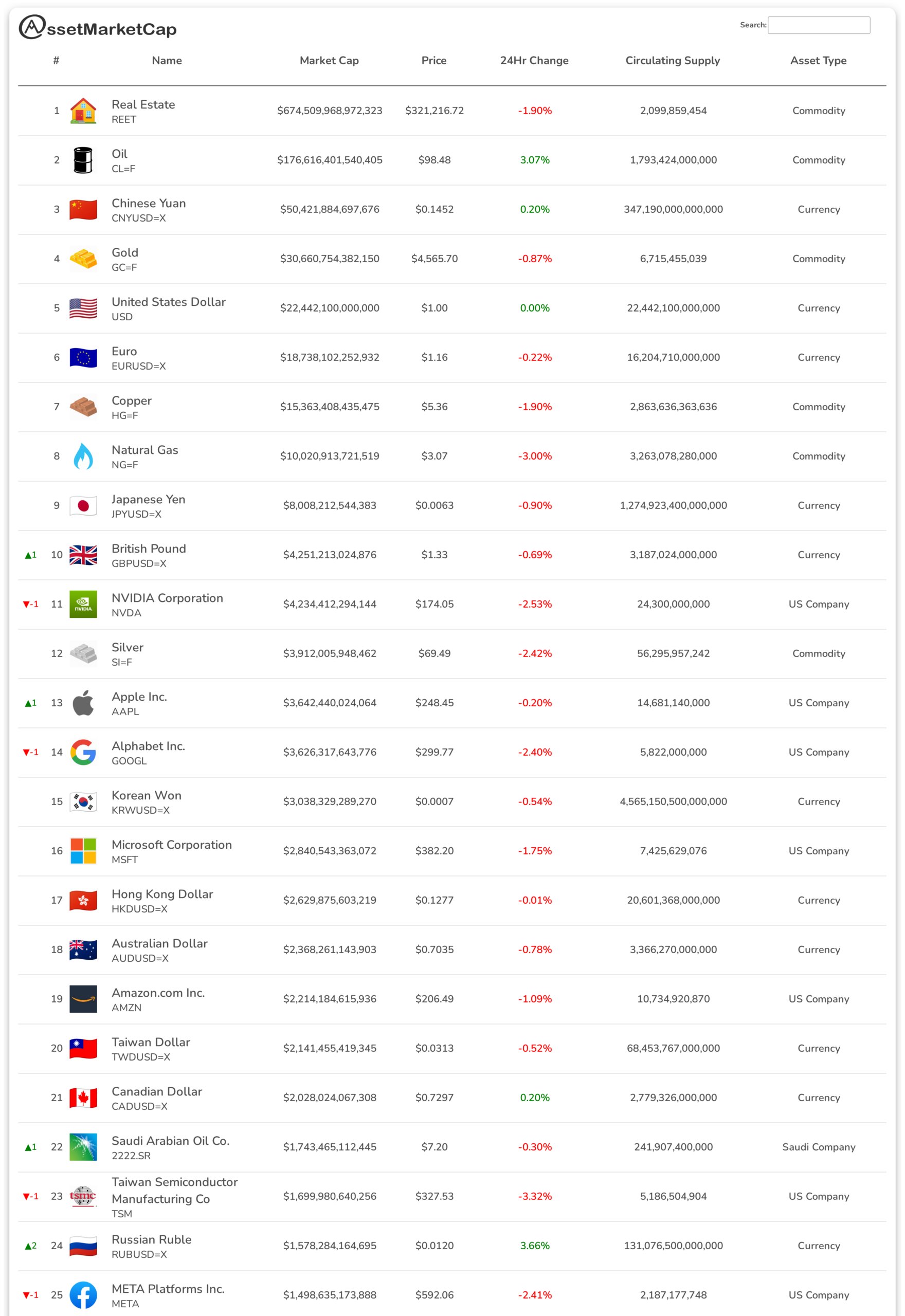
To further understand the implications of Electric Capital’s findings, let’s consider some real-world examples of both successful and challenging tokenization efforts.
**Success Story: Real Estate Tokenization**
Real estate tokenization has emerged as a prominent success story. Platforms like **RealT** have enabled fractional ownership of properties, allowing investors to purchase shares in real estate projects through blockchain technology. This model democratizes access to real estate investments and provides liquidity to an otherwise illiquid asset class. However, the regulatory landscape remains a significant hurdle, as compliance requirements vary from one jurisdiction to another.
**Challenges: Commodities Integration**
On the other hand, the tokenization of commodities has faced considerable challenges. For instance, integrating physical assets like gold or oil into a blockchain framework requires overcoming complex logistical and legal obstacles. Companies such as **Myco** and **Tether Gold** have attempted to tokenize precious metals, but issues surrounding custody, regulatory compliance, and valuation persist. These challenges highlight the need for a more robust legal infrastructure to support the tokenization of real-world commodities.
### Broader Implications for the Financial Sector
The implications of Electric Capital’s findings extend far beyond the realm of DeFi. As the financial sector grapples with the potential for digital transformation, the integration of real-world assets into blockchain ecosystems could reshape traditional finance in profound ways.
1. **Financial Inclusion**: Tokenization can enhance financial inclusion by lowering entry barriers for individual investors. With fractional ownership and micro-investing options, more people can access investment opportunities that were previously reserved for wealthy individuals or institutional investors.
2. **Increased Liquidity**: By tokenizing real-world assets, liquidity can be significantly enhanced. This is particularly beneficial for traditionally illiquid assets like real estate and private equity, allowing for quicker transactions and greater market efficiency.
3. **Regulatory Considerations**: As tokenization becomes more mainstream, regulatory bodies will need to adapt to this new landscape. The development of a clear regulatory framework will be crucial in fostering innovation while ensuring consumer protection and market integrity.
4. **Evolution of Financial Products**: The introduction of tokenized assets could lead to the creation of entirely new financial products and services. From decentralized lending platforms to innovative investment vehicles, the possibilities are vast.
### Conclusion: A Future Full of Potential
Electric Capital’s research offers a compelling perspective on the current state of real-world yield sources and the challenges that lie ahead for tokenization in the DeFi landscape. The findings underscore that while only a small fraction of real-world assets have been successfully tokenized, the potential for growth is enormous.
As the industry navigates distribution challenges and regulatory hurdles, a convergence of technological advances and evolving market demands will likely pave the way for a new era of finance. With the right infrastructure and a commitment to innovation, the dream of a fully tokenized financial ecosystem could become a reality, transforming how we think about and interact with money itself.
In conclusion, while the road ahead may be fraught with challenges, the future of tokenization and its potential to unlock new opportunities for investors and businesses alike remains bright. As we stand at this crossroads of traditional finance and digital innovation, the dialogue initiated by Electric Capital’s report is just the beginning of a much larger conversation about the future of finance in a decentralized world.




Leave a Reply