

### The Turbulent Landscape of the Airline Industry
The airline industry is currently navigating one of its most challenging periods since the onset of the COVID-19 pandemic. The recent escalation in tensions between Israel and Iran has disrupted air travel routes and significantly affected fuel prices. As a result, United Airlines has issued a stark warning regarding the future of oil prices and their implications for the airline’s operations and bottom line.
### Oil Prices on the Rise: A New Reality for Airlines
In a recent communication to employees, United’s CEO, Scott Kirby, outlined a grim forecast that oil prices could soar to $175 per barrel, with a sustained average above $100 until at least the end of 2027. This projection is based on the current geopolitical climate, particularly the ongoing conflict in the Middle East, which has caused significant disruptions in oil supply chains.
– **Recent Trends in Oil Prices**:
– Brent crude oil closed at $112.19 per barrel, rising 3.26% in a single day.
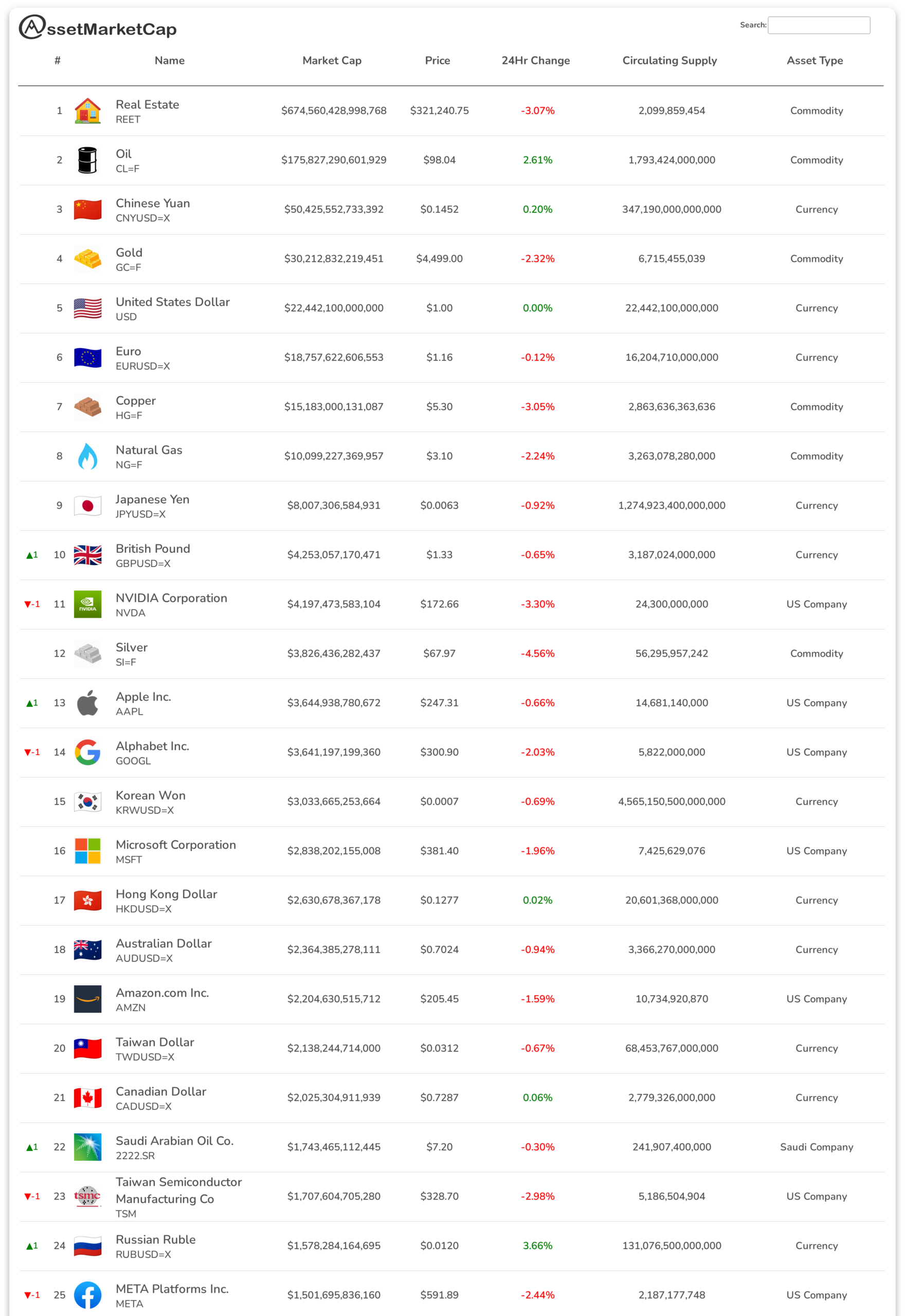
– U.S. oil prices gained 2.27%, settling at $98.32 per barrel.
– Analysts warn that if the Strait of Hormuz remains closed, prices could skyrocket to $150 or even $200 per barrel.
The closure of this critical passageway, through which approximately 20% of the world’s oil is transported, has heightened concerns over fuel availability and pricing. Additionally, tighter refining constraints have further exacerbated the situation, with jet fuel prices in Northwest Europe reaching record highs near $239 per barrel and Asian markets approaching $200.
### Financial Implications for United Airlines
The skyrocketing fuel costs have tangible financial implications for United Airlines. Kirby highlighted that jet fuel prices have more than doubled over the past three weeks, which could lead to an additional $11 billion in annual costs if these price levels persist. In 2022, United spent $11.4 billion on fuel, and under current conditions, the airline’s total fuel expenditure could exceed $20 billion this year.
– **Projected Financial Impact**:
– Potential increase in fuel costs: **$11 billion** if prices remain high.
– Last year’s fuel expenditure: **$11.4 billion**.
– Estimated total for 2023: **$20 billion**.
Despite these challenges, United Airlines reported an adjusted net income of $3.5 billion for 2025, a notable achievement amidst rising costs. However, Kirby pointed out that even in the best years, the airline’s earnings peaked at $5 billion.
### Demand and Operational Adjustments
Despite the challenges posed by rising fuel costs, demand for air travel remains robust. In fact, the last ten weeks have seen United Airlines achieve its ten highest revenue-generating weeks in history. Nonetheless, Kirby acknowledged that the airline’s ability to continue passing on fuel costs to consumers will be limited.
To mitigate the impact of high fuel prices, United is implementing strategic operational adjustments:
– **Capacity Reductions**:
– United plans to reduce capacity by approximately 5 percentage points in select markets.
– Flights during off-peak times, such as redeyes and mid-week services, will be trimmed.
– Service will temporarily be suspended in impacted areas, including Tel Aviv and Dubai.
Kirby stated, “Nothing changes about our longer-term plans for aircraft deliveries or total capacity for 2027 and beyond, but there’s no point in burning cash in the near term on flying that just can’t absorb these fuel costs.” This approach underscores the necessity of balancing immediate financial pressures with long-term strategic goals.
### Future Investments and Strategic Focus
In the face of these challenges, United Airlines remains committed to its long-term vision. Kirby emphasized that the airline will not resort to furloughing employees, deferring aircraft orders, or downgrading to regional jets. Instead, United plans to maintain its investment strategy:
– **Ongoing Investments**:
– Delivery of approximately **120 new aircraft** this year.
– Increased investment in technology and facilities, including airport clubs and new infrastructure at hubs.
– Expansion plans at Newark airport.
Kirby dismissed the notion of cutting costs or deferring investments as “small dollars at best,” asserting that such measures would detract from the airline’s mission to build the best airline in aviation history.
### Industry-Wide Contingency Plans
United Airlines is not alone in facing these challenges. Other airlines are also implementing contingency plans in response to soaring fuel prices:
– **SAS**: The Scandinavian airline announced it would cancel around **1,000 flights** due to rising fuel costs.
– **Air France-KLM**: This airline is considering cutting services to parts of Asia, where fuel availability for return flights is becoming increasingly problematic.
In a statement regarding the situation, Air France-KLM CEO Ben Smith noted, “Southeast Asia is much more dependent on fuel coming over the Gulf than Europe is… If there’s no fuel, you can’t fly.” This highlights a broader industry trend where airlines are forced to rethink their operational strategies based on fuel availability and pricing.
### Broader Implications for the Airline Industry
The current climate of rising fuel costs and geopolitical tensions has broader implications not only for United Airlines but for the entire airline industry. The situation underscores the fragility of global supply chains and the interconnectedness of energy markets and travel.
– **Potential Outcomes**:
– **Increased Ticket Prices**: Airlines may be compelled to raise ticket prices significantly, potentially dampening demand.
– **Service Reductions**: Continued high fuel prices may lead to more widespread service reductions across the industry.
– **Long-term Strategic Shifts**: Airlines may shift their business models to adapt to a new reality that features higher operational costs due to fuel price volatility.
### Conclusion: Navigating a High-Fuel Future
As United Airlines and the broader airline industry brace for a future marked by high oil prices, the focus remains on strategic adaptations that ensure operational viability while maintaining customer demand. While challenges abound, the resilience demonstrated by United’s management and their commitment to long-term growth strategies reflect a determination to navigate through turbulent times.
In this rapidly changing landscape, the ability of airlines to adapt to external pressures—such as geopolitical tensions and fluctuating fuel prices—will be critical to their success in the years ahead. The industry’s response to these challenges will likely shape its future, influencing everything from ticket prices to service availability, and ultimately the travel experience for consumers worldwide.




Leave a Reply