

### Understanding the Crypto Market Landscape
In recent years, cryptocurrency has transitioned from niche interest to mainstream investment. New investors flock to platforms like Coinbase and Binance, eager to capitalize on the potential growth of digital assets. However, with the allure of high returns comes the harsh reality of volatility—sharp price fluctuations that can happen in the blink of an eye.
Imagine purchasing your first bitcoin on a Tuesday, only to watch its value plummet by 15% by Friday, then rebound by 10% the following Monday. For many newcomers, such scenarios evoke stress and anxiety, leading to impulsive trading decisions. Understanding why these fluctuations occur is vital for anyone considering entering this space.
### What Fuels the Volatility?
#### Market Size and Liquidity
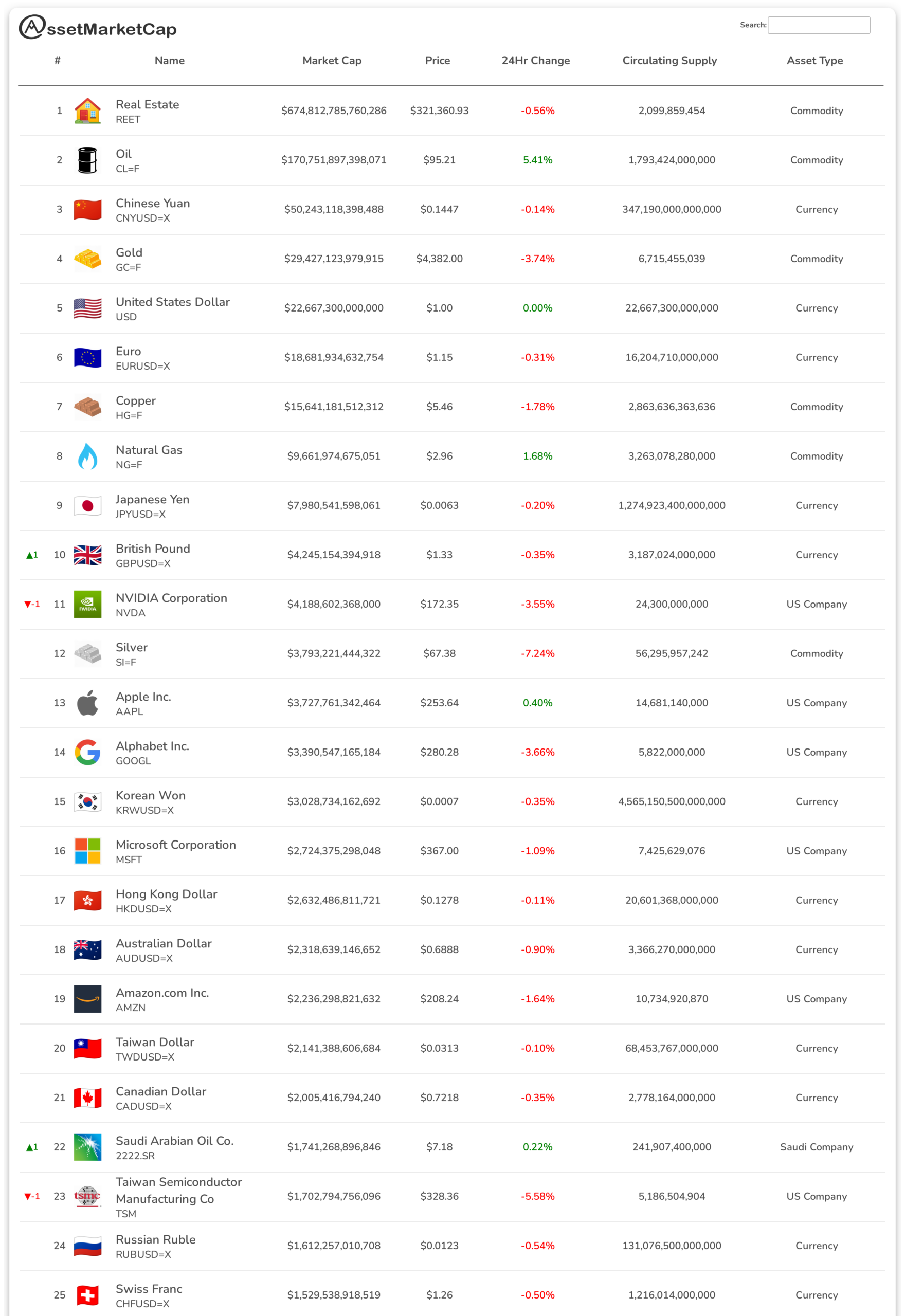
One of the primary factors contributing to the volatility of cryptocurrencies is the relatively small size of the market compared to traditional finance. The global cryptocurrency market capitalization hovers around $1 trillion, while stock markets are valued in the tens of trillions. This disparity means that even modest trades can significantly impact prices.
– **Example:** A single investor deciding to sell a large quantity of a cryptocurrency can cause a ripple effect, leading to panic selling among others and a sharp price decline.
#### Value Determination
Unlike stocks, which are tied to a company’s performance—measurable through earnings, assets, and cash flow—cryptocurrencies lack intrinsic value metrics. Their worth is primarily dictated by market sentiment and speculation. This uncertainty results in price swings as investors react to news, social media trends, and market events.
#### Trading Environment
Another layer of complexity is added by the 24/7 nature of cryptocurrency trading. Unlike traditional stock markets that have trading hours and circuit breakers to halt trading during sharp declines, the crypto market operates continuously. Bad news can emerge at any hour, causing dramatic price shifts without warning. For instance, a sudden regulatory announcement or cybersecurity breach can lead to immediate sell-offs.
### Types of Cryptocurrencies and Their Volatility
Not all cryptocurrencies exhibit the same level of volatility. Bitcoin, the largest and most established cryptocurrency, generally experiences lower volatility compared to altcoins—newer coins that can swing wildly in value.
– **Bitcoin**: While still volatile, Bitcoin’s market maturity lends it a degree of stability, making it a safer bet for many investors.
– **Altcoins**: These can experience fluctuations of over 50% within days, especially meme coins like Dogecoin, which often rely on social media hype rather than solid fundamentals.
– **Stablecoins**: Designed to maintain a stable value by pegging to fiat currencies like the U.S. dollar, stablecoins serve a different purpose, acting primarily as a bridge between fiat and crypto rather than a vehicle for growth.
### The Psychological Impact of Volatility
The emotional toll of trading in a volatile market cannot be overstated. Understanding the psychological traps that new investors often fall into is crucial for making rational investment decisions.
#### Panic Selling
Panic selling occurs when investors react to sudden price drops by selling their assets out of fear. This often leads to regret when prices rebound shortly after the sale.
– **Real-World Example**: In March 2020, amid the COVID-19 pandemic, many investors sold their bitcoin holdings as prices plummeted. Those who held on or bought during the dip saw substantial gains as the market recovered.
#### Fear of Missing Out (FOMO)
Conversely, FOMO can drive investors to buy during price surges, often leading to buying at the peak before a price correction. This behavior can result in significant losses if the market turns against them.
– **Case in Point**: In late 2021, many investors rushed to buy into meme coins like Shiba Inu during its rapid rise, only to see their investments diminish as the market corrected.
#### The Dangers of Obsession
Constantly checking prices can create a cycle of anxiety, leading to impulsive decisions. The crypto market’s inherent volatility makes it easy to fall into the trap of emotional trading, which studies show tends to underperform more disciplined strategies.
### Crafting a Resilient Investment Strategy
For new crypto investors, having a well-defined strategy is paramount to navigating the highs and lows of the market. Here are several strategies to consider:
#### Only Invest What You Can Afford to Lose
A foundational principle in risk management is to invest only what you can afford to lose entirely. This approach prevents financial distress in the event of significant losses.
#### Dollar-Cost Averaging
Dollar-cost averaging (DCA) is a strategy that involves investing a fixed amount of money at regular intervals, regardless of price. This method can help mitigate the effects of volatility by smoothing out the average purchase price over time.
– **Example**: If you invest $100 every month in Bitcoin, you’ll buy more when prices are low and less when they’re high, reducing the impact of market timing.
#### Diversification
Diversifying your investments across various cryptocurrencies and asset classes can lower risk. Instead of putting all your funds into one or two coins, consider spreading them out to create a more balanced portfolio.
– **General Advice**: Many financial advisors recommend limiting crypto exposure to no more than 5% of your total investment portfolio, maintaining a healthy mix of stocks, bonds, and other traditional assets.
#### Have an Exit Plan
Deciding in advance under what conditions you would sell your investments can help you stay disciplined during volatile times. Whether it’s a specific price target, a percentage gain, or a life event requiring liquidity, having a plan can prevent emotional decision-making.
### The Bigger Picture: Broader Implications of Crypto Volatility
The volatility of cryptocurrencies is not just a personal finance issue; it has larger implications for the financial ecosystem.
#### Regulatory Scrutiny
As digital assets gain popularity, governments and regulatory bodies are paying closer attention. Increased regulation can lead to greater market stability, but it can also create uncertainty during the transition period. Investors should stay informed about potential regulatory changes that could impact their investments.
#### Market Maturity
As the crypto market matures, one can expect volatility to decrease over time. More institutional investments and the introduction of financial products like ETFs (Exchange-Traded Funds) could lead to a more stable environment. However, until then, investors should remain cautious and informed about the inherent risks.
### Final Thoughts
Entering the world of cryptocurrency can be both exhilarating and daunting. While the potential for high returns exists, it’s essential to recognize and prepare for the volatility that defines this market. By understanding the factors that drive price swings, acknowledging the psychological impacts of trading, and implementing a solid investment strategy, new investors can navigate the crypto landscape more effectively.
In conclusion, whether you’re investing in Bitcoin or exploring altcoins, equip yourself with knowledge and a clear plan. The world of cryptocurrency is ever-evolving, and those who stay informed and disciplined will be better positioned to succeed in this high-stakes environment.
Source: https://money.com/crypto-volatility-what-new-owners-should-know/?xid=moneyrss




Leave a Reply