
## Introduction
In the world of commodities, few markets are as closely watched as that of crude oil. Recently, West Texas Intermediate (WTI) crude oil prices have found themselves in a holding pattern, trading near **$63.74** per barrel. This situation reflects a complex interplay of geopolitical developments and market fundamentals that are influencing investor sentiment and pricing. As the dust settles from recent diplomatic engagements, notably between the United States and Iran, the question arises: what does this mean for the future of oil prices?
## Easing Geopolitical Tensions
One of the main factors affecting WTI prices has been the **easing of tensions** between the U.S. and Iran. For years, these geopolitical dynamics have contributed to volatility in oil markets, as fears of supply disruptions due to conflicts or sanctions could spike prices overnight. However, recent dialogues and negotiations have created a sense of optimism.
### The Diplomatic Landscape
The U.S.-Iran relationship has been fraught with tension, particularly after the U.S. withdrew from the Iran nuclear deal in 2018, leading to sanctions that sharply curtailed Iranian oil exports. Recently, talks aimed at reviving the nuclear agreement have resumed, which could pave the way for a lifting of some sanctions. If successful, this would potentially allow Iran to increase its oil exports, thereby adding more supply to an already saturated market.
### Impact on Oil Prices
As these diplomatic overtures begin to stabilize perceptions of risk, the **geopolitical risk premium** embedded in oil prices starts to diminish. Investors, who might have previously feared a spike in oil prices due to conflict, are now reassessing the market landscape. With less fear of immediate supply disruptions, WTI’s upward momentum has stalled.
## Market Dynamics: Supply and Demand
While geopolitical factors play a significant role in oil pricing, the fundamentals of supply and demand are equally critical. The current trading range of **$62-$65** per barrel highlights this balance.
### Oversupply Risks
One of the prevailing concerns is the **oversupply risk** projected for 2026. According to various forecasts, global oil production is expected to exceed demand as alternative energy sources and enhanced efficiencies begin to take hold. This projected oversupply could cap any aspirations for significant price increases in the near term.
### The Role of OPEC+
The Organization of the Petroleum Exporting Countries (OPEC) and its allies, known collectively as OPEC+, have historically played a pivotal role in managing oil supply to maintain price stability. Recently, they have been cautious about increasing production too aggressively, aware of the existing oversupply risks. Their strategy has been to gradually increase output while keeping an eye on global demand trends.
## Technical Analysis
Beyond the geopolitical and fundamental factors affecting WTI prices, technical analysis offers insight into market behavior.
### Recent Rally and Momentum Stall
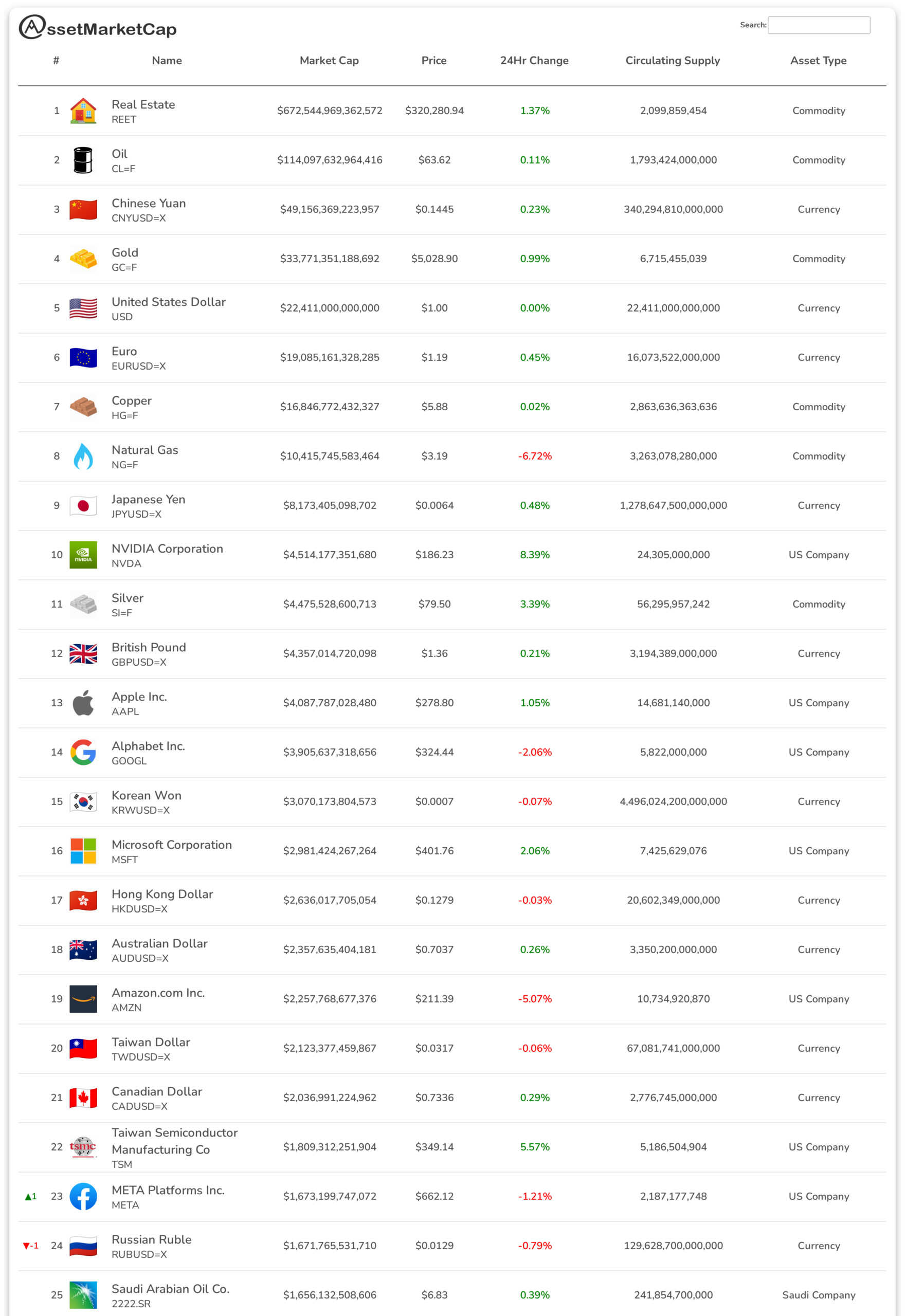
WTI crude recently experienced a rally, but as of late, technical momentum has shown signs of stalling. Traders often look at specific price levels to determine entry and exit points. In this case, the **$65 mark** has emerged as a significant resistance level. Until prices can convincingly break above this threshold, the likelihood of a sustained bullish trend may remain limited.
### Support Levels
Conversely, the **$62 level** serves as a critical support point. Should WTI prices decline and approach this level, it could trigger buying interest, as traders look to capitalize on perceived value. The interplay between these support and resistance levels will continue to shape market sentiment in the near term.
## Broader Implications for Investors
The current state of WTI crude oil prices not only affects energy markets but also has broader implications for various sectors and investor strategies.
### Economic Indicators
Oil prices are often viewed as a barometer for global economic health. A stable or declining oil price can signal a cooling economy, which may lead central banks to adjust monetary policies. Conversely, rising oil prices can lead to inflationary pressures, prompting interest rate hikes. Investors should remain vigilant, as fluctuations in oil prices can ripple across multiple asset classes.
### Investment Strategies
For investors, the current range-bound trading presents both challenges and opportunities. Those bullish on oil may look for entry points to capitalize on a potential breakout above **$65**, while those bearish may seek to hedge their positions or invest in sectors that benefit from lower oil prices, such as transportation and consumer goods.
## Real-World Examples
Numerous real-world events have illustrated how quickly oil prices can shift due to geopolitical and supply-demand dynamics. For instance, the 2020 price crash, where WTI futures briefly turned negative, was a stark reminder of how oversupply and demand shocks can converge. Similarly, the Arab Spring in 2011 led to significant spikes in oil prices due to concerns over supply disruptions in the Middle East.
### The Importance of Diversification
These examples underscore the importance of **diversification** for investors. Relying solely on oil-related investments can expose portfolios to undue risk in times of volatility. By spreading investments across various sectors, including renewables and technology, investors can mitigate risks associated with oil price fluctuations.
## Conclusion
As WTI crude oil prices hover around **$63.74 per barrel**, the complex interplay of easing geopolitical tensions and fundamental supply-demand dynamics is shaping the market environment. While current prices reflect a certain degree of stability, the looming concerns over future oversupply and the technical resistance at **$65** suggest that the road ahead may be bumpy.
For investors and market watchers, the key takeaway is to remain adaptable. Staying informed about geopolitical developments, monitoring technical indicators, and understanding the broader economic implications of oil prices will be essential for navigating this intricate landscape. As the energy sector continues to evolve, those who can anticipate shifts and adjust their strategies accordingly will be best positioned for success.




Leave a Reply