

### Introduction: The Enduring Allure of Gold
Gold has been revered for thousands of years, not just for its beauty but also for its intrinsic value. In a world where financial markets can swing wildly, gold often stands as a symbol of stability. From ancient Egyptians burying pharaohs with golden treasures to modern-day investors seeking a hedge against inflation, the allure of gold remains strong.
This article dives deep into whether gold is a sound investment today. We’ll explore its historical significance, current market dynamics, and practical strategies for including gold in your investment portfolio.
### Understanding Gold’s Role in Investment
Gold occupies a unique position in the investment landscape. Historically, it has served as a store of value, particularly in times of economic uncertainty. With central banks and institutional investors increasingly turning to gold during crises, its reputation as a “safe-haven” asset has only strengthened.
#### Advantages of Investing in Gold
1. **Safe-Haven Asset**:
– Gold is often viewed as a refuge for investors during market downturns. Unlike equities, which can plummet, gold has historically retained its value, often appreciating when investor confidence in the stock market wanes.
– For example, during the 2008 financial crisis, gold prices surged as investors sought safety amid collapsing markets.
2. **Hedge Against Inflation**:
– As inflation rises, purchasing power declines, compelling investors to seek assets that can maintain value. Gold has a long-standing reputation for holding value in inflationary periods.
– In recent years, as global economies have grappled with rising inflation rates, gold’s appeal as a protective asset has been reignited.
3. **Portfolio Diversification**:
– Including gold in an investment portfolio can enhance diversification. Gold often behaves differently than stocks and bonds, making it a strategic addition for reducing overall risk.
– For example, during geopolitical tensions or pandemics, while stock markets may tumble, gold prices often rise, serving as a counterbalance in a diversified portfolio.
4. **Weakening Dollar Hedge**:
– As the U.S. dollar weakens, many investors flock to gold, believing it will hold its value better than fiat currencies.
– The decoupling of gold from the gold standard in 1971 has led many to see it as a reliable alternative when the dollar’s value is uncertain.
5. **Volatility Absorption**:
– Gold can serve as a buffer against stock market volatility. While it can also be volatile, its price movements often do not correlate directly with stock market performance.
– This can provide a sense of security in an investment strategy that might otherwise be heavily exposed to equities.
#### Disadvantages of Investing in Gold
1. **No Income Generation**:
– Unlike stocks and bonds, gold does not pay dividends or interest. This lack of income can be a significant drawback for investors seeking cash flow from their investments.
– For instance, during prolonged holding periods, investors might miss out on potential gains from income-generating assets.
2. **Price Volatility**:
– While gold can act as a stabilizing asset, its prices can be subject to significant fluctuations. Economic indicators, geopolitical events, and changes in investor sentiment can all influence gold prices.
– Investors must be prepared for the possibility that gold prices could fall during their investment horizon.
3. **Market Speculation**:
– Gold’s value can sometimes be driven by market speculation rather than intrinsic value. This can lead to price bubbles that can burst unexpectedly, causing significant losses for investors.
– The recent boom in cryptocurrency investments has also led to some speculation spilling over into gold markets, complicating its price trajectory.
4. **Storage and Insurance Costs**:
– If you choose to invest in physical gold, there are associated costs for storage and insurance. Securely storing gold bars or coins requires investment in safety deposit boxes or state-of-the-art home safes.
– Additionally, when buying physical gold, investors often face premiums over the spot price, which can eat into potential gains.
### Ways to Invest in Gold
If you’ve weighed the pros and cons and decided to invest in gold, there are various methods to do so, each with its own set of complexities and costs.
#### 1. Physical Gold
Investing in physical gold involves purchasing gold bullion, coins, or jewelry. This method offers tangible ownership but comes with its own challenges.
– **Types of Physical Gold**:
– Gold coins (e.g., American Gold Eagles, Canadian Maple Leafs)
– Gold bars (standardized for investment purposes)
– Jewelry and collectibles (though often not ideal for investment)
– **Storage Considerations**:
– Secure storage is crucial, whether it be at home (in a safe) or in a bank safe deposit box.
– Remember, when selling physical gold, you may not receive the “spot price” due to dealer markups.
#### 2. Gold ETFs (Exchange-Traded Funds)
Gold ETFs provide a way to gain exposure to gold without having to own the physical asset. These funds invest in physical gold or gold-related instruments, making it easier for investors to buy and sell.
– **Benefits**:
– Liquidity: Gold ETFs can be traded like stocks on major exchanges.
– Lower Costs: Generally, the management fees for ETFs are lower than mutual funds, making them a cost-effective choice for gaining exposure to gold.
– **Risks**:
– While ETFs mitigate storage concerns, they still carry market risk just like any stock.
#### 3. Gold Mutual Funds
These funds invest in stocks of companies involved in gold mining and production. They offer diversification within the gold sector, but they come with their own risks.
– **Investment Strategy**:
– Mutual funds tend to be actively managed, which can increase fees compared to ETFs. Investors should be mindful of these costs.
– **Asset Management**:
– Depending on the management team’s effectiveness, the returns can vary significantly.
#### 4. Gold Mining Stocks
Investing in individual gold mining companies can be a more aggressive strategy. While it offers potential for high returns, it also comes with heightened risk.
– **Market Dynamics**:
– The performance of mining stocks is often tied to the price of gold but also depends on the company’s operational efficiency and management decisions.
– **Research Required**:
– Investors must conduct thorough research on individual mining companies, including their financial health, production costs, and geopolitical risks associated with their mining operations.
### Should You Buy Gold?
Deciding whether to invest in gold should be based on individual financial goals, timelines, and risk tolerance. Here are some considerations to keep in mind:
– **Investment Goals**: Are you looking for a hedge against inflation, a safe haven during economic downturns, or simply diversification? Understanding your objectives will help guide your investment decisions.
– **Time Horizon**: Gold is generally viewed as a long-term investment. If you’re nearing retirement and might need access to your funds soon, consider whether you can afford to wait out potential price drops.
– **Risk Tolerance**: Gold can be volatile and doesn’t generate income. Ensure that you’re comfortable with these aspects before committing a significant portion of your portfolio to gold.
### Conclusion: Is Gold Right for You?
Gold can be a valuable component of a diversified portfolio, offering benefits as a hedge against inflation and market volatility. However, potential investors must weigh the advantages against the drawbacks, including price volatility and the lack of income generation.
Given that financial landscapes are constantly changing, consulting with a financial advisor can provide personalized guidance tailored to your individual situation. Ultimately, whether you choose to invest in gold or not, understanding its role in the broader context of your portfolio will be crucial to your investment success.
### FAQs About Gold Investment
– **Is gold a good investment?**
– Gold can be a good investment for those seeking protection against inflation and market volatility, but it may not be suitable for everyone.
– **How do I invest in gold?**
– You can invest in gold through physical purchases, ETFs, mutual funds, or mining stocks.
– **What is the price of gold?**
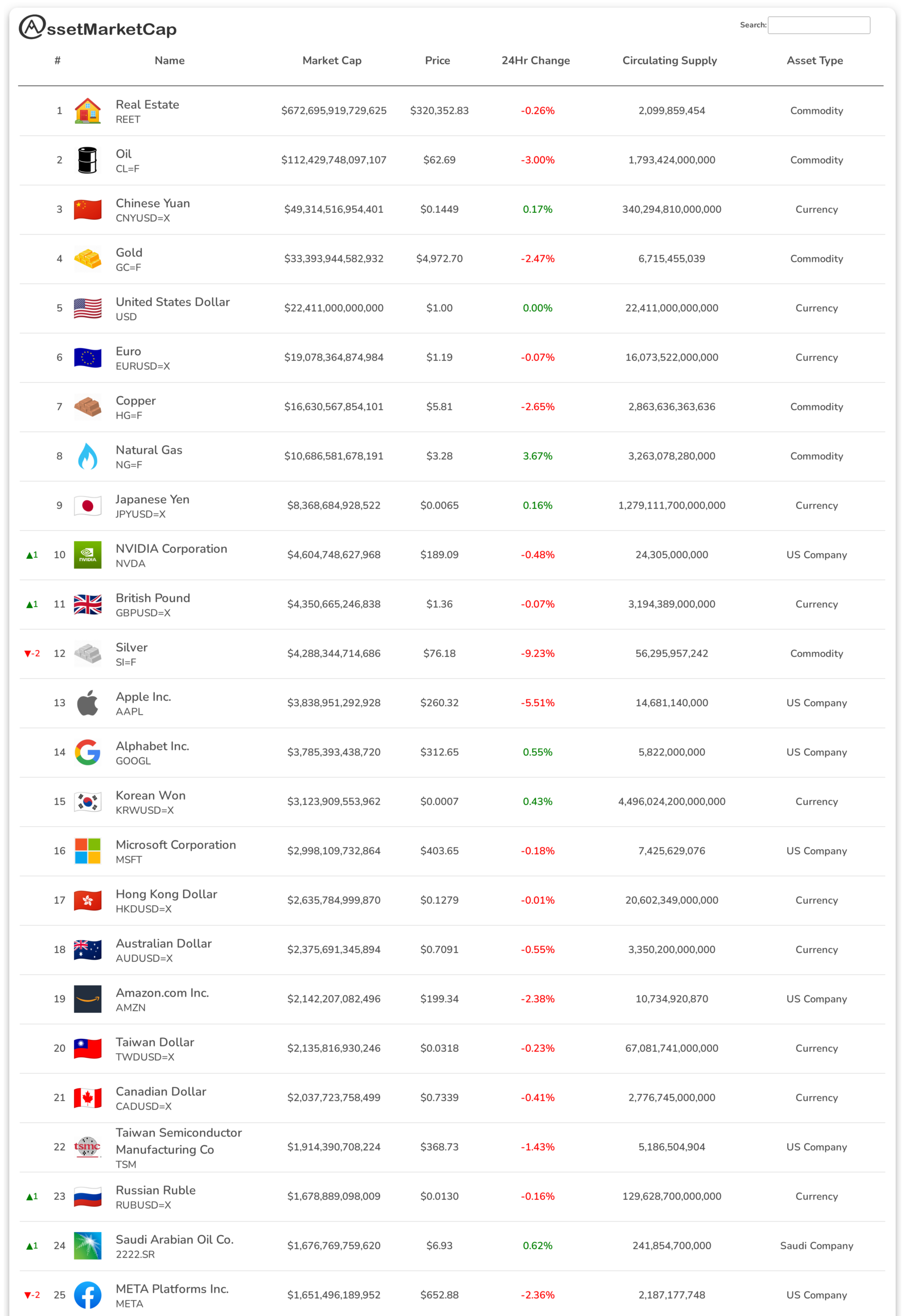
– Gold prices fluctuate based on market conditions, making it essential to stay informed about current price trends.
In the end, whether you’re a seasoned investor or just beginning your journey, understanding the dynamics of gold as an investment will empower you to make informed decisions in a complex financial landscape.
Source: https://money.com/is-gold-a-good-investment/?xid=moneyrss




Leave a Reply